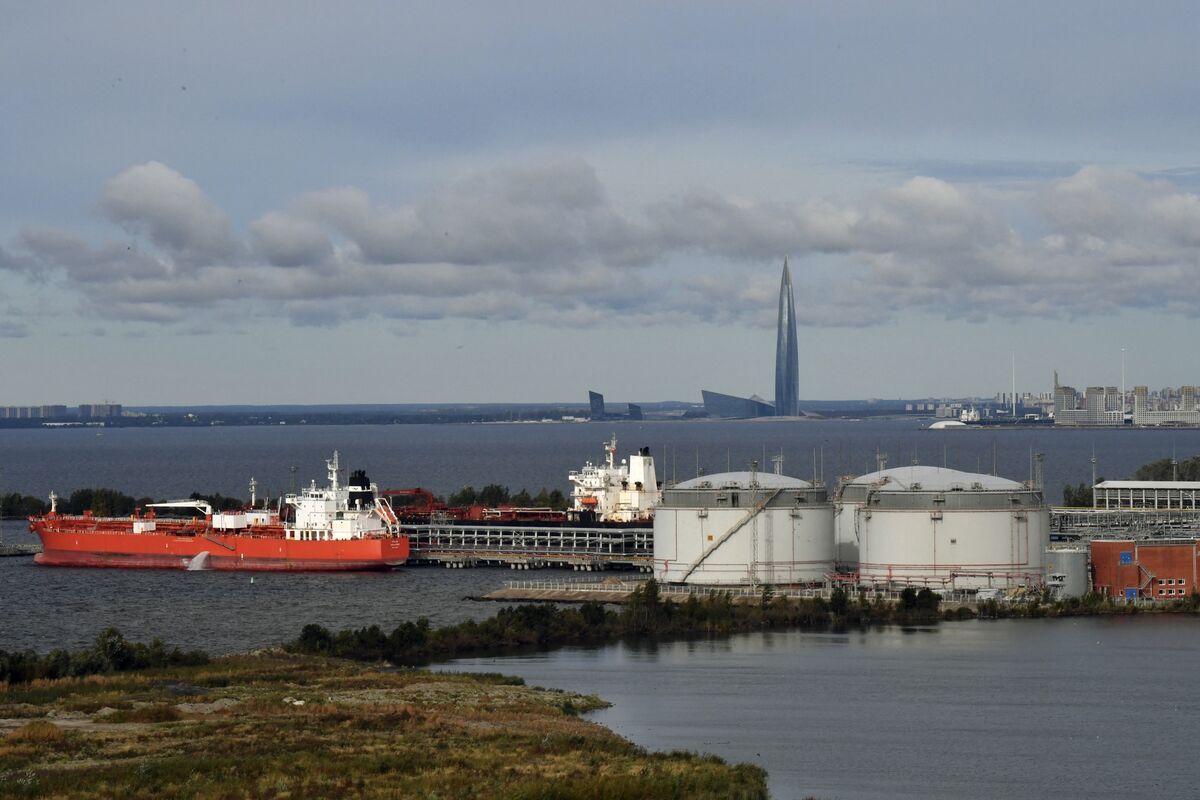
Ukrainian drone attacks have significantly curtailed Russia's oil refinery operations, reducing processing by an estimated 500,000 barrels per day, according to JPMorgan Chase & Co. This reduction in domestic refining capacity is rapidly diminishing Russia's spare oil export capacity, limiting its flexibility to divert crude to global markets and potentially impacting overall oil supply dynamics.
Ukrainian drone attacks are creating a material disruption in Russia's domestic oil refining sector, with significant implications for global energy markets. According to estimates from JPMorgan Chase & Co., Russian refinery runs have fallen below 5 million barrels a day, representing a curtailment of approximately 500,000 barrels per day in processing capacity. This forced reduction in refining output is diminishing Russia's ability to divert its crude to the global export market, indicating potential logistical or infrastructure bottlenecks. The situation introduces a significant supply-side risk, as the inability to export this now-unrefined crude could effectively remove barrels from the global market, tightening supply beyond the initial impact on refined products.
AI-powered research, real-time alerts, and portfolio analytics for institutional investors.
Request DemoOverall Sentiment
strongly negative
Sentiment Score
-0.60
Ticker Sentiment
