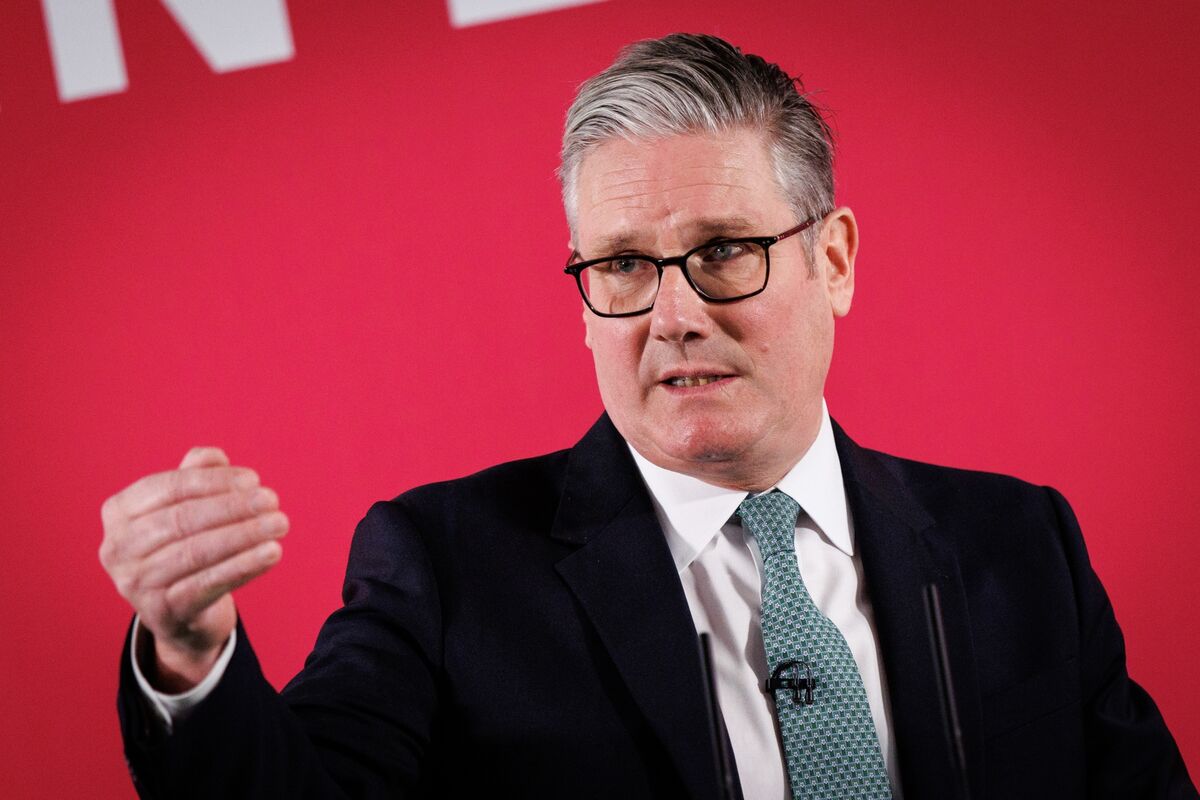
UK Prime Minister Keir Starmer is planning a visit to Beijing and Shanghai in the new year, with Jan. 29-31 penciled in though not yet confirmed, as part of efforts to repair diplomatic ties after years of strain. The trip could signal a political thaw with potential medium-term implications for UK-China trade and investment risk premia, but absent concrete policy or commercial announcements the near-term market impact is likely limited.
Market structure: A Starmer visit that meaningfully eases UK-China diplomatic friction would tilt flows back into UK exporters and China-facing financials. Expect relative gains for HSBA.L and STAN.L (Asia franchises) and FTSE commodity exporters (RIO.L, BHP.L) as Chinese demand risk premium falls; a 3–6% re-rating over 3–9 months is plausible if concrete trade/visa or FDI announcements occur. Conversely, domestically focused UK cyclicals and long-duration gilts may underperform if sentiment turns risk-on and GBP strengthens >1%.
Risk assessment: Tail risks include trip cancellation, a high-profile diplomatic spat in China/UK (low probability <15% but high-impact), or no change to export controls—each would reverse moves within days. Time horizons: immediate (days): muted; short-term (weeks–months): sentiment-driven flows; long-term (quarters): contractual FDI and trade deals matter. Hidden dependencies: regulatory/security reviews (NSI rules) may block tech/energy deals despite political warming.
Trade implications: Direct plays favor selective Asia-exposed banks (HSBA.L, STAN.L) and miners (RIO.L, BHP.L) via 3–6% tactical overweights for 3–12 months; reduce UK gilt duration by 0.25–0.5y if GBP moves +1%. Options: use 3-month call spreads on HSBA (capped risk) or a GBPUSD 3-month risk-reversal if expecting >1% GBP appreciation post-trip.
Contrarian angle: Consensus assumes diplomatic goodwill equals immediate trade liberalization—unlikely. Markets may underprice the persistence of export controls and security blockers; therefore favor event-driven, capped-loss trades (options/spreads) over large directional stakes. Historical parallel: 2018–19 thaw attempts produced transient rallies but limited structural change—price accordingly and keep catalysts (signed deals, visa/FDI commitments) as go/no-go triggers.
AI-powered research, real-time alerts, and portfolio analytics for institutional investors.
Request DemoOverall Sentiment
neutral
Sentiment Score
0.15
