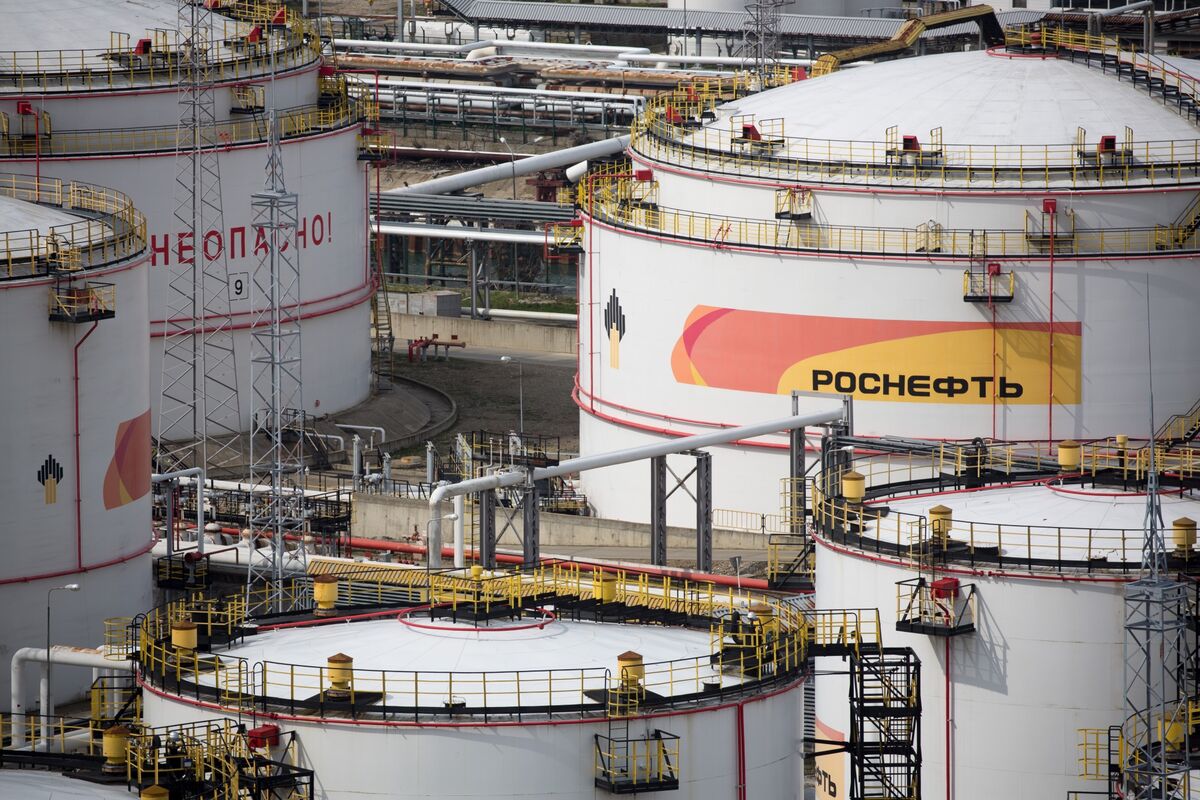
Russia has extended its OPEC+ oil output compensation schedule by three months, now through December, to address past overproduction. The revised plan entails gradual reductions of 85,000 barrels per day from July through November, followed by 9,000 b/d in December, signaling a more measured approach to compliance compared to the prior September deadline and indicating Russia's commitment to the alliance while managing its production profile.
Russia is altering its OPEC+ compliance strategy by extending its compensatory oil output reductions by three months, now concluding in December instead of September. The revised schedule involves monthly cuts of 85,000 barrels per day from July through November, tapering to 9,000 barrels per day in December, to atone for prior overproduction. This adjustment signifies a more gradual approach to achieving full compliance with its pledged targets. While the action reaffirms Russia's commitment to the OPEC+ agreement framework, the extension itself, coupled with the initial breach, is perceived as mildly negative. The moderate market impact score of 0.45 suggests this is viewed as an operational adjustment to supply schedules rather than a fundamental shift in oil market policy, smoothing out the impact of the cuts over a longer duration.
AI-powered research, real-time alerts, and portfolio analytics for institutional investors.
Request DemoOverall Sentiment
mildly negative
Sentiment Score
-0.20
