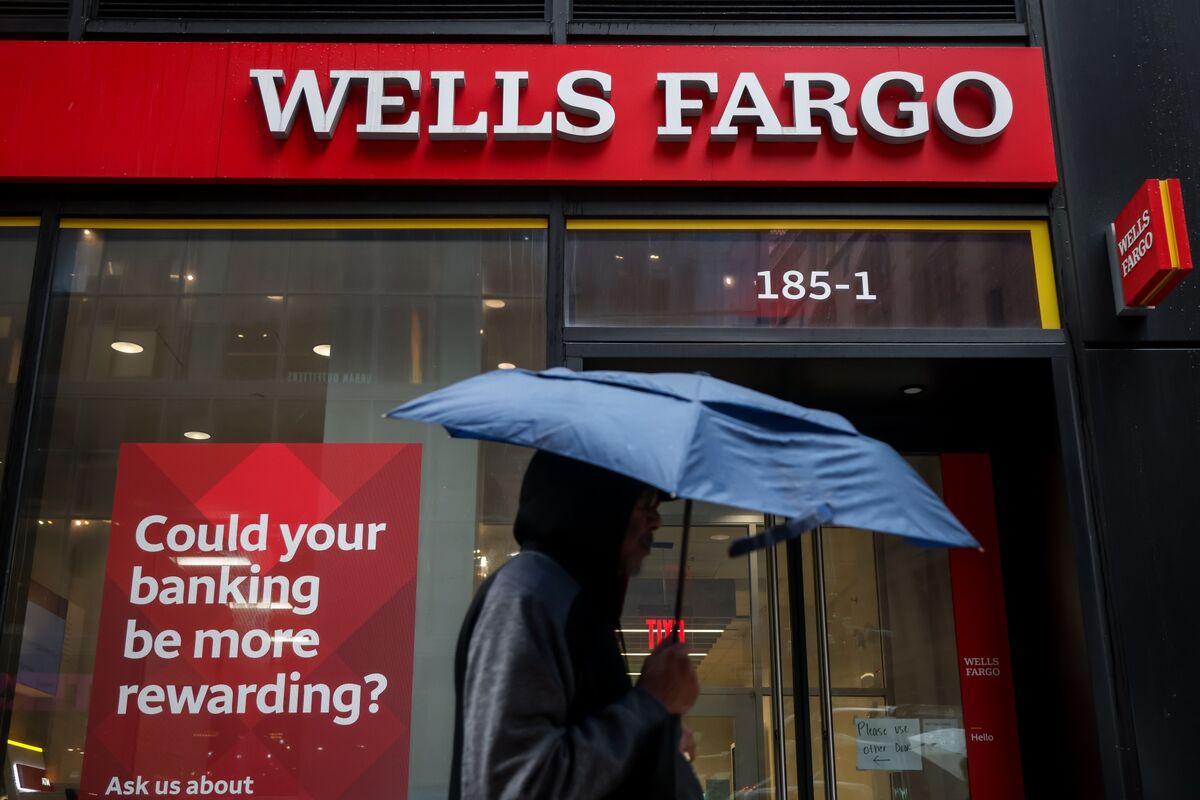
Wells Fargo has hired Derek Keller from UBS as managing director and head of M&A structuring; he will be based in New York and report to Jeff Hogan, starting after a standard period of leave. The appointment bolsters Wells Fargo’s M&A structuring capabilities but is a routine senior hire with limited near-term market impact.
A regional bank strengthening its M&A structuring capability shifts the contest for mid-market advisory mandates from pure sell-side relationships to packaging more financeable, balance-sheet-friendly solutions. If the bank can convert even a handful of $200–500m transactions into financed deals, expect incremental asset growth of $1–3bn per executed deal and a 5–10% lift to annual investment-banking revenue over 12–24 months from cross-sell and syndication fees. This move also exerts pressure on competitors that rely on pure advisory economics: rivals will have to either match structuring depth or cede fee pools where execution requires bespoke financing solutions, which favors banks with larger commercial lending footprints. For large global banks, the second-order effect is margin compression in the high-volume middle market even as top-tier megadeal fees remain concentrated. Key risks are the usual: client retention, execution capacity, and a macro pullback in M&A activity. Near-term catalysts that prove or disprove the thesis are visible mandates announced within 3–9 months, incremental disclosed underwriting commitments, and quarterly IB revenue trends; a colder macro (recession, rising rates) can reverse any gains within a single quarter. The consensus will over-interpret headline bench additions as immediate share gains; scaling structuring capabilities into sustainable pipeline wins is operational and relationship-driven and typically takes 6–18 months. Positioning should therefore be event-driven and sized to survive a slow ramp rather than a headline-driven pop.
AI-powered research, real-time alerts, and portfolio analytics for institutional investors.
Request DemoOverall Sentiment
neutral
Sentiment Score
0.05
Ticker Sentiment
