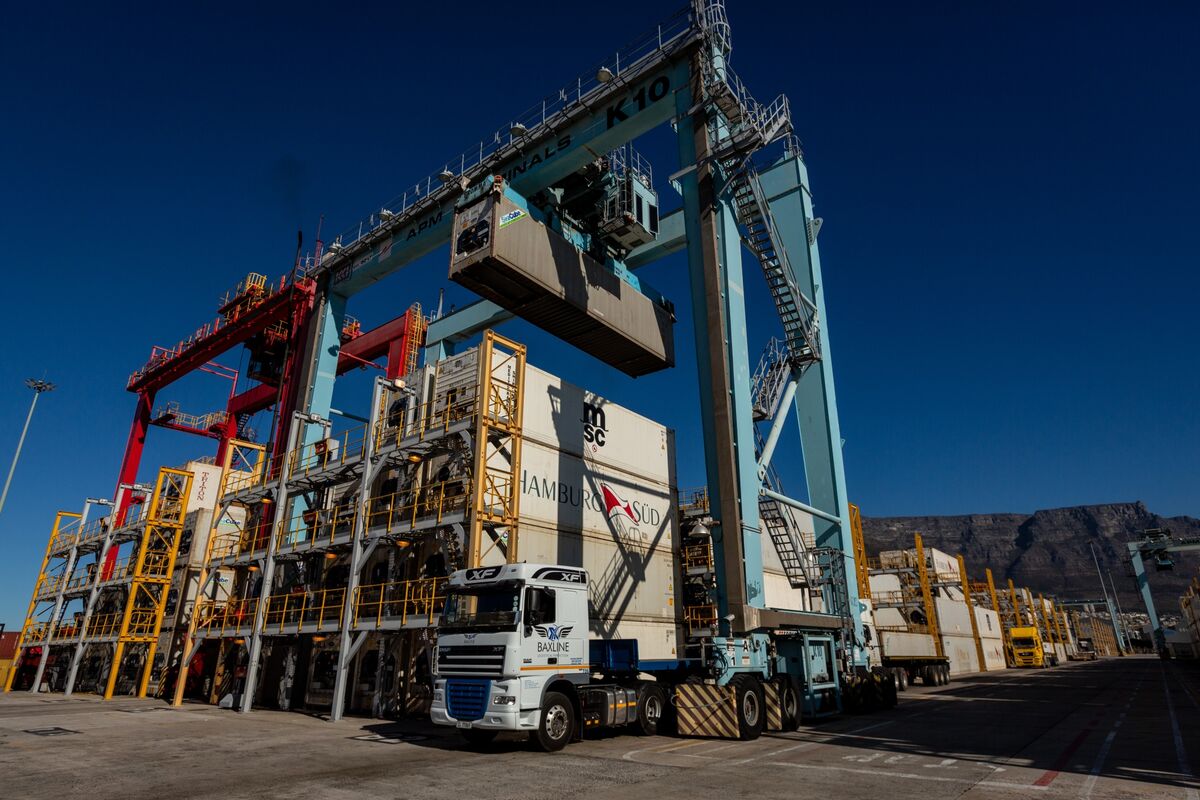
The U.S. has imposed a 30% tariff on South African imports, the highest levied on any sub-Saharan African nation, causing significant economic fallout that South African President Cyril Ramaphosa is now addressing. This aggressive trade measure underscores a notable shift in U.S.-Africa trade relations, potentially impacting affected industries and broader regional stability.
The imposition of a 30% tariff by the U.S. on South African imports represents a significant and targeted escalation in trade policy, marking the highest tariff level applied to any sub-Saharan African nation. This action introduces substantial economic headwinds for South Africa, with the market's reaction reflected in a strongly negative sentiment score of -0.7. The immediate response from President Cyril Ramaphosa, who is reportedly 'scrambling to contain the fallout,' signals severe political and economic pressure at the national level. The event is not an isolated trade adjustment but a collision of politics and commerce, suggesting a potential strategic pivot in U.S. relations with key emerging markets on the continent. This development directly threatens South African export-oriented industries and complicates the investment landscape by introducing a high degree of geopolitical uncertainty, impacting supply chains and investor confidence in the region's stability.
AI-powered research, real-time alerts, and portfolio analytics for institutional investors.
Request DemoOverall Sentiment
strongly negative
Sentiment Score
-0.70
