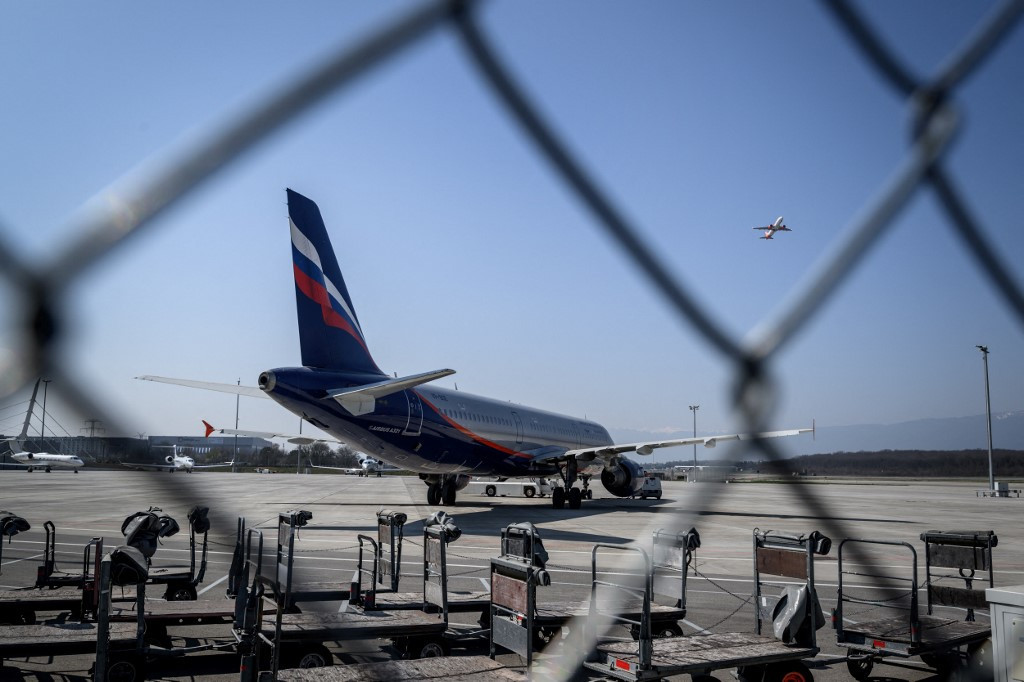
Russia imposed a jet fuel export ban from June 1 to Nov. 30, with limited exceptions, to stabilize domestic fuel markets amid Ukrainian strikes on oil infrastructure. The move follows renewed gasoline export restrictions and ongoing fuel shortages in Crimea, where residents are now limited to 20 liters of A-95 per 24 hours. While the ban is unlikely to directly affect Europe, it underscores persistent supply disruptions and supports a tighter regional fuel backdrop.
The immediate market impact is less about global jet fuel scarcity and more about a localized forced re-routing of marginal barrels. Russia is effectively converting a supply shock into a logistics tax: rail-dependent flows to Central Asia will tighten regional middle-distillate balances, likely widening inland basis differentials and pressuring import-dependent airlines and freight operators there before the broader seaborne market feels anything.
The bigger second-order effect is that this compounds Russia’s existing refining underperformance. Export bans on finished products typically preserve headline domestic availability only briefly; if Ukrainian strikes keep degrading conversion units and export terminals, the Kremlin is likely to substitute one distortion for another via quotas, rationing, or implicit prioritization of military/aviation demand. That means the downside for Russian domestic fuel margins and sovereign cash flow can persist for months even if global Brent remains supported by unrelated geopolitics.
For global investors, the key question is whether lower Russian product exports tighten the diesel/jet complex enough to lift cracks, or whether weak Russian export capacity simply gets absorbed by spare Atlantic Basin supply. My base case is a modest bullish impulse to refined-product margins over the next 2-8 weeks, but not a durable macro oil bid unless strikes broaden to more export-critical infrastructure. The true tail risk is escalation in repair costs and domestic shortages forcing Moscow to deepen product controls, which would be bullish for non-Russian refiners but negative for global airline margin sensitivity into summer demand season.
The contrarian view is that the market may be overestimating headline significance because these exports are mostly landlocked and the direct Europe linkage is limited. The more important signal is that Russian energy infrastructure resilience is deteriorating faster than official commentary suggests; that increases the probability of future disruptions to diesel, naphtha, or crude logistics, which would matter far more than this jet-fuel ban alone.
AI-powered research, real-time alerts, and portfolio analytics for institutional investors.
Request TrialOverall Sentiment
moderately negative
Sentiment Score
-0.35
