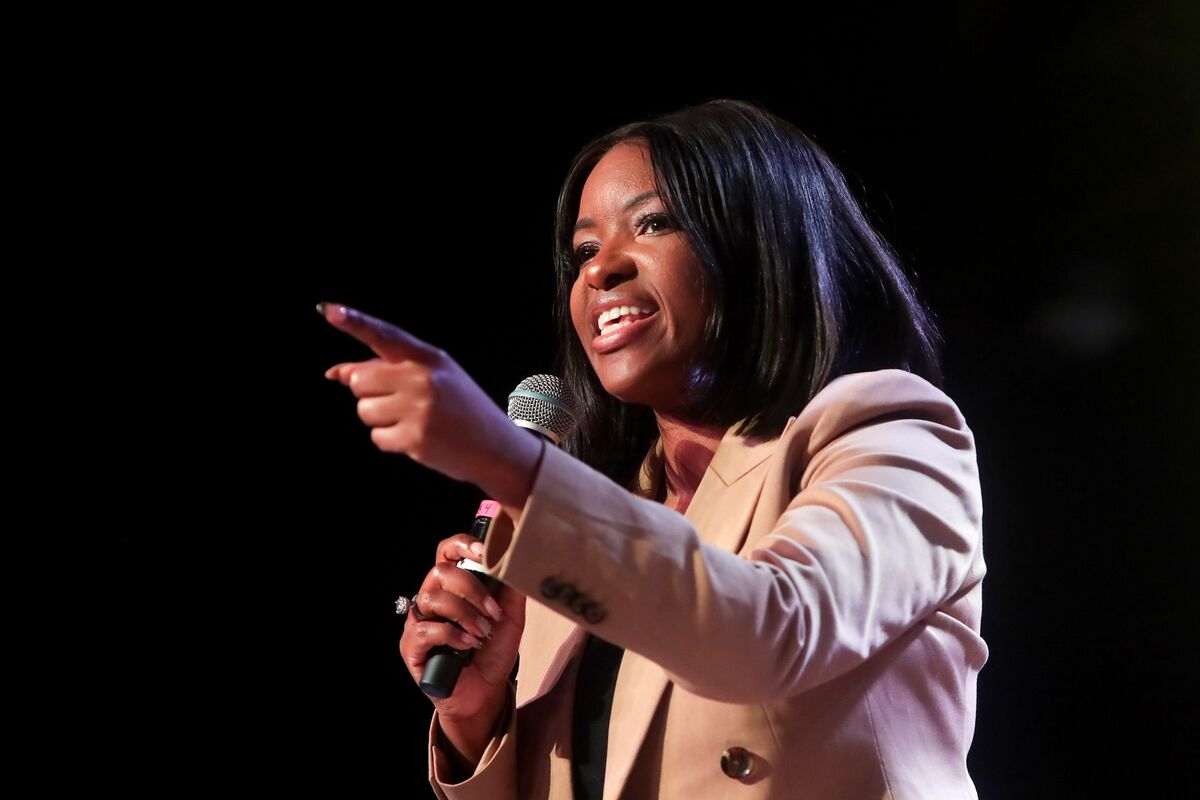
Congresswoman Jasmine Crockett (D-Texas) filed Monday to run for the U.S. Senate, casting herself as a staunch opponent of Donald Trump and leaning on a large social-media following and demonstrated fundraising strength with Democratic donors. She will contest the Democratic primary against state Representative James Talarico ahead of next year’s election in a Republican-dominated state — a development with political significance but limited direct implications for financial markets.
Market structure: A high-profile Texas Senate primary increases localized demand for political ad inventory, favoring local broadcasters (NXST, TGNA, GTN) and programmatic/digital platforms (META, GOOGL, SNAP) as CPMs can rise 10–25% in Dallas/Fort Worth flight months; payment processors (PYPL, SQ) and small fundraising platforms see incremental volume. Losers are regional print and subscription-first publishers (NYT less exposed locally) and any media with fixed inventory that can't reprice quickly.
Risk assessment: Tail risks include nationalization of the race (raising national ad budgets materially) or a regulatory push on political ad targeting (probability 10–30%) that would compress programmatic margins. Immediate effects (days–weeks) are volatility in local ad spot prices; short-term (3–6 months) will show revenue recognition in broadcasters' guidance; long-term (1–2 years) depends on whether this race attracts sustained national donor flows (> $50–150m) or remains low-budget.
Trade implications: Tactical longs on local-broadcasters and selective digital ad leaders into the primary/ad-buy season; use 3–6 month option call spreads to limit downside. Consider relative-value: long NXST/TGNA vs short NYT or other national subscription plays if local ad flow outpaces national subscription growth. Size trades modestly (0.5–2% NAV) and scale on verified fundraising/polling thresholds.
Contrarian angle: The market underestimates that even a ‘long-shot’ primary can reallocate $10–50m of ad spend into specific DMA pockets for weeks — a leverable, short-duration revenue boost. Conversely, if the race nationalizes, FAANG could capture >60% of incremental spend, flipping the trade; historical parallels (2018 midterms) show short-lived earnings pops in broadcasters followed by normalization within 2–4 quarters.
AI-powered research, real-time alerts, and portfolio analytics for institutional investors.
Request DemoOverall Sentiment
neutral
Sentiment Score
0.00
