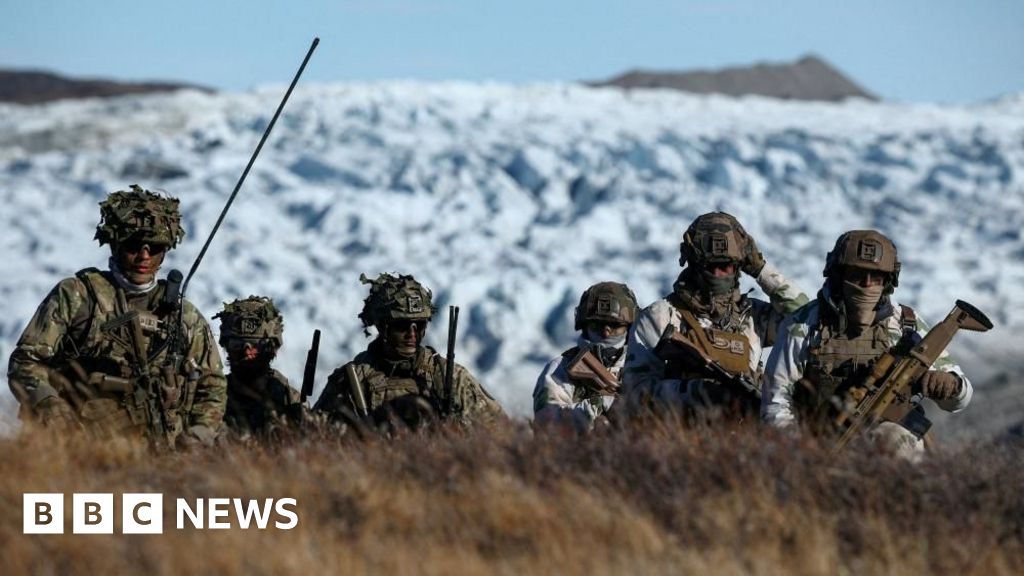
The Trump administration has reportedly considered a range of options to acquire Greenland — from a purchase to the use of force — with the White House saying all options are on the table. Greenland (population ~58,000) hosts a long-standing US facility at Pituffik with 100+ personnel and would be logistically accessible to Arctic-capable US forces, but any transfer faces major legal and political hurdles (Congressional appropriation, two-thirds Senate treaty ratification, Greenlandic and Danish opposition) and would risk severe NATO and international-law fallout. While a military seizure is assessed as unlikely, the episode raises tail geopolitical risk for NATO cohesion, defense spending and potential Arctic resource access, keeping Arctic mining and defense contractors as the most directly exposed sectors.
Market structure: A US push on Greenland is a defense-and-resources story, not a commodity shock today. Short-term winners: US defense primes (Lockheed LMT, Northrop NOC, RTX) and Arctic logistics/infrastructure contractors; losers: Danish state-sensitive assets and EU political-risk-exposed exporters. Pricing power shifts gradually — defense capex can rise by mid-single-digit percent of annual budgets over 1–3 years, benefiting large primes with Arctic ISR/logistics capabilities.
Risk assessment: Tail military-action risk is low (<5% next 12 months) but high-impact (NATO shock, oil/gold spike). Immediate (days/weeks): volatility around diplomatic meetings; short-term (3–12 months): incremental US basing/influence campaigns and defense budget line-items; long-term (1–5 years): mining concessions and Arctic supply chains unlocked only if legal/sovereignty hurdles cleared. Hidden dependencies include Congressional appropriations, Greenlandic self-determination votes, and EU reactions — any one can delay monetization by years.
Trade implications: Tactical plays should favor liquid defense exposure and geopolitical hedges, not junior Arctic miners (long lead times). Volatility catalysts: Secretary of State meetings, Congressional markup on Arctic funding (> $500m) and Greenland independence polls; options can express asymmetric views because equities may gap on headline surprises. Cross-asset: safe-haven inflows to USD and gold; short European peripheral risk if NATO strains escalate.
Contrarian angle: Markets underprice long-dated resource upside — Greenland minerals (rare earths, nickel, uranium) remain multi-year optionality rather than immediate drivers; defensive equities may rally on incremental basing, while miners won’t reflect value until permits/infra exist (likely >3 years). The overreaction risk is that short-dated political noise bumps defense names by 5–10% then mean-reverts if Congress balks, creating tactical pair opportunities.
AI-powered research, real-time alerts, and portfolio analytics for institutional investors.
Request DemoOverall Sentiment
moderately negative
Sentiment Score
-0.35
