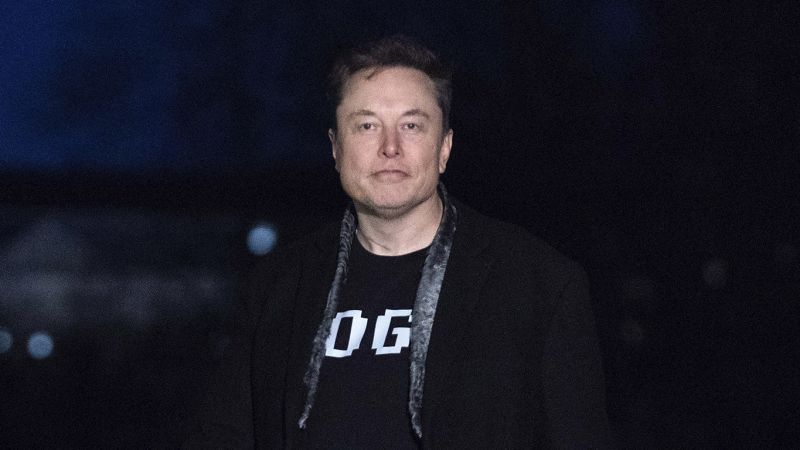
Tesla's board has proposed a new, performance-based compensation package for CEO Elon Musk, potentially granting him up to 423.7 million shares, valued at $1 trillion if the company achieves an $8.5 trillion market capitalization. This award is designed to retain Musk, who reportedly sought greater control (25% voting stake) and threatened to focus on other ventures, ensuring his attention on Tesla's ambitious AI and robotics future. While critics express skepticism about achieving these aggressive targets given past delays, investors are likely to approve the package, viewing it as a high-upside bet where their own returns are directly tied to Musk's success in meeting the demanding milestones.
Tesla's board has proposed a new, highly ambitious performance-based compensation plan for CEO Elon Musk, intended to secure his long-term focus amid his expanding interests in other private ventures. The package offers up to 423.7 million shares, potentially valued at nearly $1 trillion, but is contingent upon Tesla achieving an $8.5 trillion market capitalization and $400 billion in adjusted operating profits—milestones representing an approximate 8x increase in valuation and a 20x increase over previous record profits. This move addresses Musk's stated desire for a ~25% voting stake to confidently lead Tesla's AI and robotics future, a demand he linked to potentially pursuing opportunities outside the company. The proposal has polarized analysts; proponents like Gene Munster see it as a necessary alignment of interests to retain a singular leader for a future in physical AI, while critics like Gordon Johnson and Ross Gerber view it as 'absurd,' highlighting Musk's 13% ownership and history of missed deadlines, suggesting the plan is more about securing control and leveraging his ability to maintain a high stock valuation through narrative. Despite the controversy, shareholder approval is anticipated, as the structure ensures Musk is rewarded only after generating massive returns for investors, framing it as a high-risk, high-reward proposition where shareholder and CEO interests are directly linked.
AI-powered research, real-time alerts, and portfolio analytics for institutional investors.
Overall Sentiment
mixed
Sentiment Score
0.10
Ticker Sentiment
