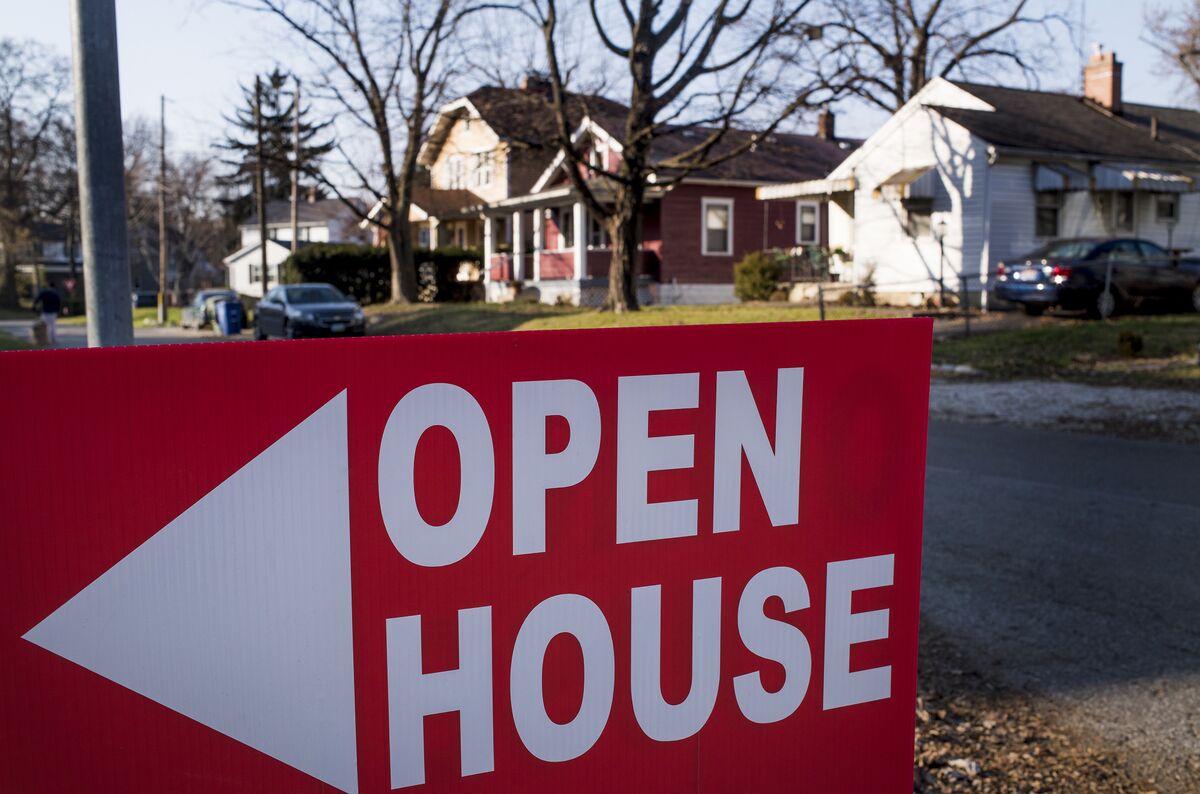
Pending US home sales surged 4% in August to a five-month high of 74.7, significantly exceeding economist estimates, according to the National Association of Realtors. This unexpected increase, attributed to falling mortgage rates, signals a potential, albeit modest, stabilization in the previously sluggish housing market, though activity remains well below pandemic-era peaks.
Pending sales of U.S. existing homes registered a notable 4% increase in August, reaching a five-month high with an index reading of 74.7. This surge significantly outpaced all economist forecasts compiled by Bloomberg, signaling an unexpected positive development in the housing sector. The primary catalyst for this uptick was a decline in mortgage rates, which provided a temporary lift to a market previously characterized as sluggish. However, it is critical to note that current activity remains substantially below the levels seen during the pandemic, when the index consistently surpassed 100, indicating that while there is a positive short-term inflection, the market's recovery is still in a nascent and fragile stage.
AI-powered research, real-time alerts, and portfolio analytics for institutional investors.
Request DemoOverall Sentiment
strongly positive
Sentiment Score
0.70
