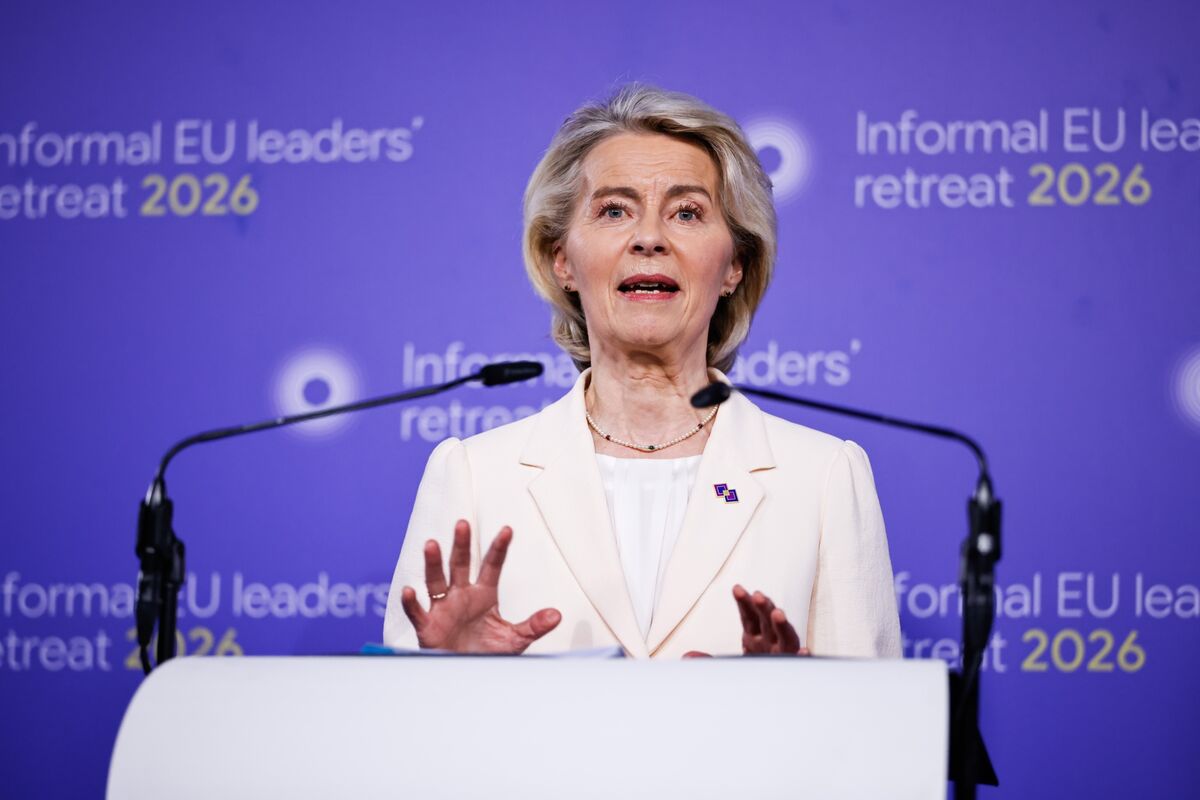
EU Commission President Ursula von der Leyen will visit Australia next week as an EU-Australia trade deal is reportedly “in the final stretch.” She arrives Monday and will travel to Canberra to meet Prime Minister Anthony Albanese, signaling imminent progress on negotiations and potential near-term decisions on bilateral trade terms and tariffs.
A narrow trade agreement between the EU and Australia is a classic structural catalyst that shifts where raw materials and energy flow, not just tariff lines. Over 12–36 months the highest-probability economic effect is a re-routing of EU procurement toward Australian sources for critical minerals, LNG and select agricultural inputs — that reduces supply-chain friction for EU downstreams (EVs, hydrogen equipment, specialty chemicals) and raises bargaining power/price realization for Australian exporters. Second-order winners include global miners with scalable Australian operations and logistics providers that can handle containerized/high-value mineral flows; losers are intermediaries and regional suppliers to the EU (e.g., African/Latin American exporters) who lose marginal market share. Geopolitically, the deal tightens EU supply diversification away from China which raises the probability of Chinese diplomatic responses (non-tariff barriers, preferential offtakes) that could blunt volume growth and introduce episodic volatility across commodity and shipping markets. Time horizons and risks are asymmetric: headline momentum (visits, announcements) will move sentiment in days-weeks, but implementation and measurable trade flows take quarters–years as tariff schedules, rules of origin and certifications are agreed and enacted. Tail risks include domestic EU member-state or Australian parliamentary pushback (sustainability/standards clauses), or a Chinese commercial response that reduces EU demand for Australian exports — either could remove the upside case within 6–18 months.
AI-powered research, real-time alerts, and portfolio analytics for institutional investors.
Request DemoOverall Sentiment
neutral
Sentiment Score
0.00
