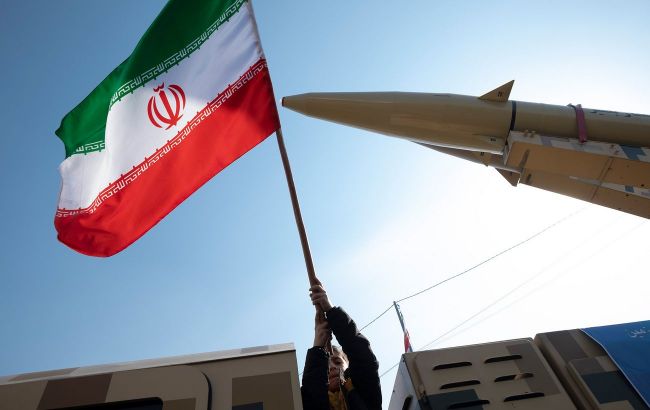
55 Israeli energy facilities were reportedly detailed in intelligence Russia passed to Iran, with targets split into three tiers and the Orot Rabin power station named as the primary 'critically important' target. Russian sources warned that strikes on a few key components could trigger a complete and prolonged national blackout because Israel’s grid is isolated, risking widespread outages and technical disruptions. If realized, the event would likely prompt regional energy disruption, risk-off flows, and potential upside to defense stocks and energy risk premia; portfolio managers should stress-test Israel/Middle East exposure and consider tactical hedges.
The market is mis-pricing the speed at which asymmetric targeting capability translates into real economic disruption. Precision-guided strikes raise the marginal cost of grid resilience and force an acceleration of capex in redundancy (spare transformers, islandable microgrids, fuel-backed generation) — a multi-year demand pulse for specialized industrial suppliers that is rarely in consensus forecasts. Expect a near-term liquidity shock in local FX and credit markets as corporates and municipalities draw down cash and insurance claims blur into sovereign backstops, compressing credit curves for 3-9 months.
Insurance and reinsurance will be the plumbing where second-order effects concentrate: premiums reset quickly while capacity lags, producing a two-phase P&L profile for carriers — velocity losses in year 1 followed by structurally higher underwriting margins for several years. Shipping and bunker-cost externalities are also underappreciated; route deviations and higher war-risk premiums add fixed cost to LNG and crude shipments, pushing short-term energy and freight indices higher by single-digit percentages if disruption persists beyond 30 days.
Catalysts are binary and calendarized: tactical spikes will show up within days (risk premia, FX, front-month energy) while meaningful repricing of defense budgets, power capex, and insurance terms plays out over 3–18 months. Reversal is achievable via credible deterrence or rapid hardening (physical or cyber) that reduces hit probability; diplomatic de-escalation or a visible surge in allied defensive assets could normalize risk premia within 30–90 days. Monitor shipping war-risk indices, near-term power outage reports, and reinsurance rate-card releases as real-time indicators of where we are on the two-phase adjustment curve.
AI-powered research, real-time alerts, and portfolio analytics for institutional investors.
Request DemoOverall Sentiment
strongly negative
Sentiment Score
-0.60
