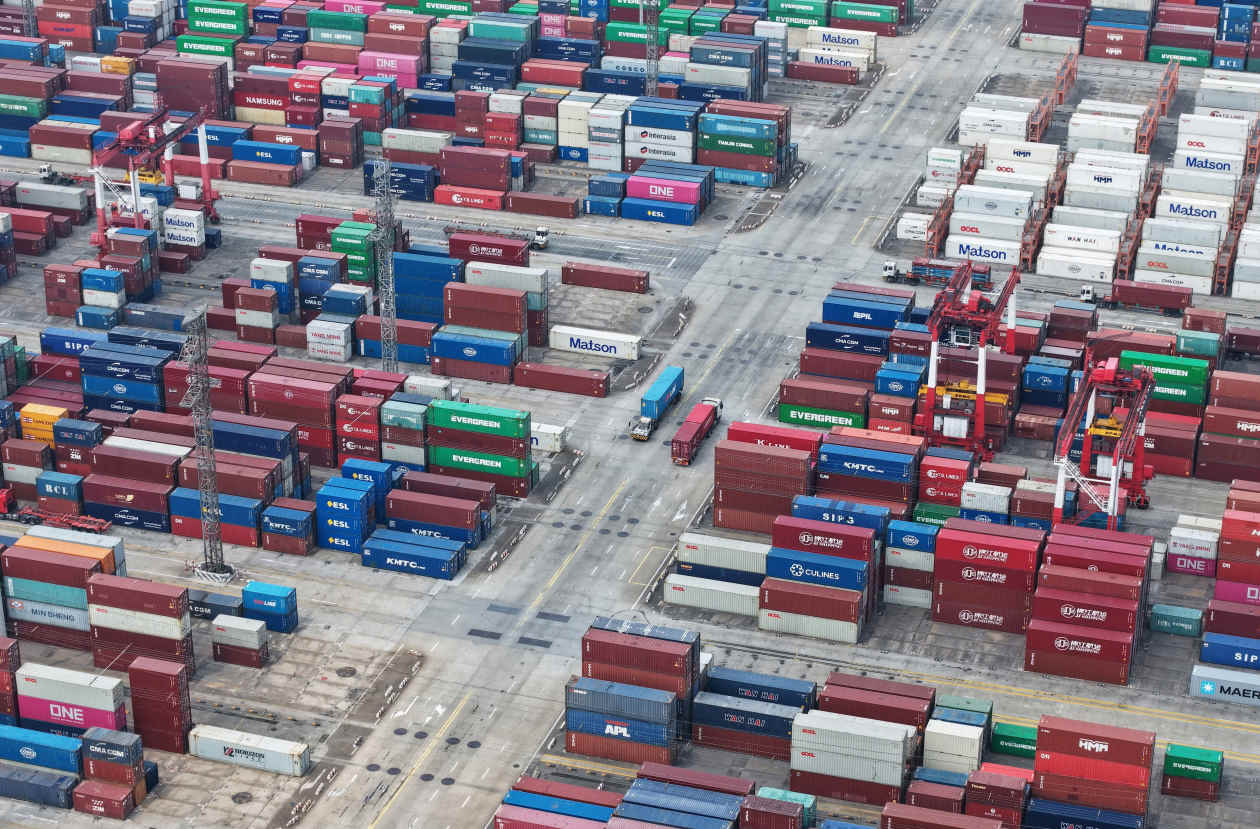
According to BofA analysts, retailers can absorb tariffs up to 10%, but higher levels become increasingly difficult. This assessment comes as President Trump announced progress in trade negotiations with China, highlighting the continued importance of tariff levels for the retail sector's financial performance.
A Bank of America (BofA) analyst assessment highlights a critical sensitivity for the retail sector regarding U.S.-China trade tariffs, indicating that while retailers can generally absorb tariffs up to 10%, levels exceeding this threshold pose significant challenges to their financial performance. This insight is pertinent as President Trump announced progress on trade negotiations, yet the retail industry's limited capacity to absorb higher costs underscores a cautious outlook. The "mildly negative" sentiment and "cautious" tone associated with this news reflect the uncertainty and potential margin pressure on retailers should tariffs escalate beyond the manageable 10% level, despite a neutral per-ticker sentiment for BofA itself, as the focus is on their research output.
AI-powered research, real-time alerts, and portfolio analytics for institutional investors.
Request DemoOverall Sentiment
mildly negative
Sentiment Score
-0.30
Ticker Sentiment
