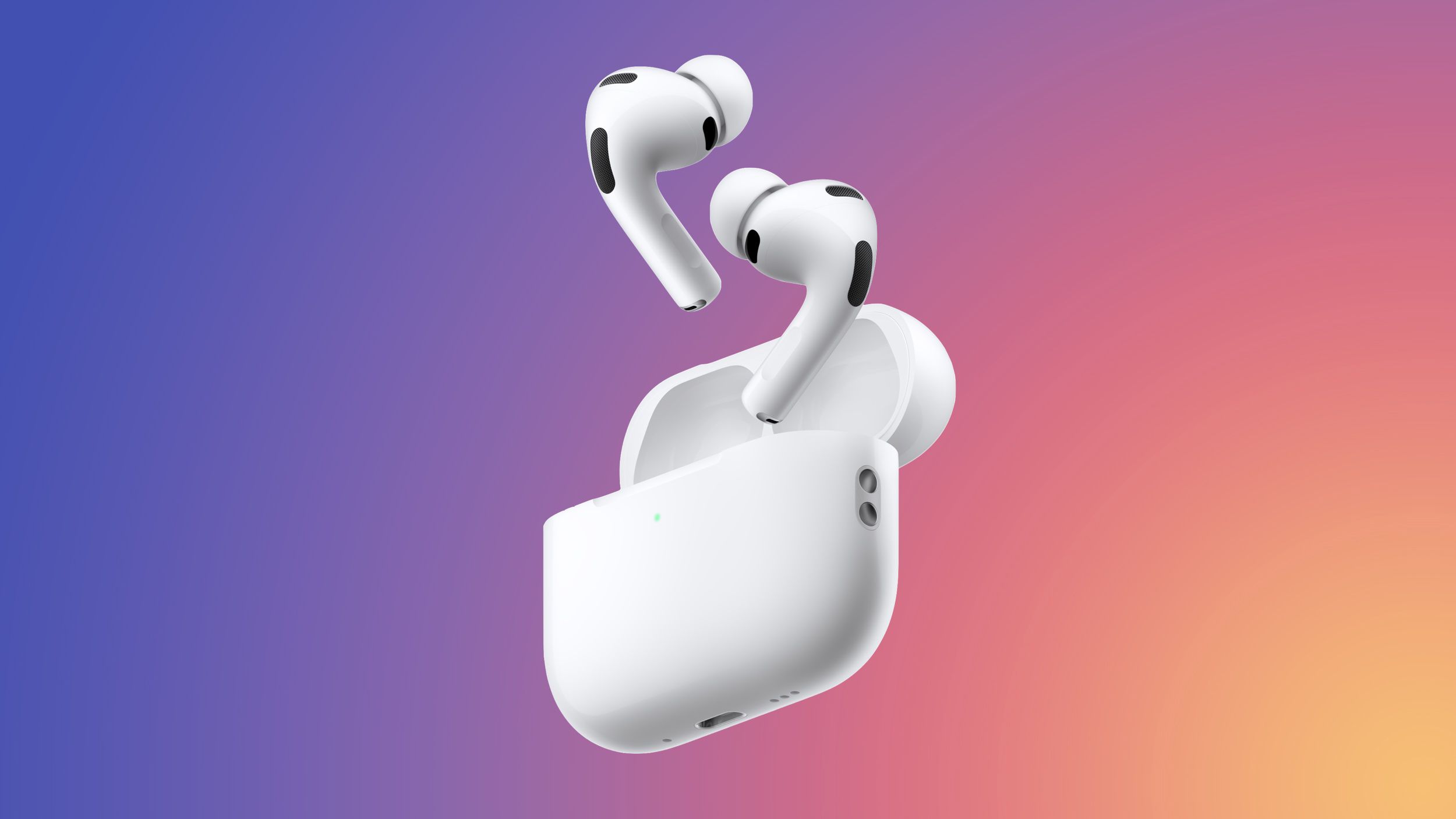
Amazon is selling AirPods Pro 3 for $199 (down from $249, $50 or ~20% off) in its Big Spring Sale, matching the all-time low; AirPods 4 are offered at $99.99 (down from $129, ~$29 or ~22% off). The AirPods Pro 3 launched in September 2025 and touts 2x better active noise cancellation vs. the prior gen, improved audio and fit, Live Translation and heart-rate sensing. These are promotional retail moves likely to boost short-term consumer demand but have negligible market-wide impact.
A small, retailer-led discount on a marquee Apple accessory is a micro-signal rather than a fundamentals shock, but it amplifies two second-order dynamics: Amazon is willing to trade margin on electronics to buy traffic and ecosystem engagement, and headphone/ANC competitors (Sony, Bose, Beats) face increased pressure to match promos or surrender incremental share during promotional windows. That dynamic compresses short-term gross margins for the retail channel while transferring lifetime value to the platform that converts one-off hardware buyers into recurring service customers.
Over the next 30–90 days the primary catalyst to watch is whether discounts remain episodic (promo-driven) or become persistent (inventory-driven). Persistent discounting would show up as widening retail-to-wholesale spreads and decline in sell-through rates to suppliers within one quarter; conversely, a quick reversion after Prime/seasonal events points to traffic-optimization by Amazon with negligible long-term impact. Longer-term (3–12 months) tail risks include a softer iPhone upgrade cycle or a supply overhang at component suppliers, both of which could flip wearable ASP trajectories and materially affect supplier FCF.
Contrarian read: the market tends to interpret deals as demand weakness, but these promos often function as loss-leaders to accelerate ecosystem adoption — which increases Services/ARPU over years. That implies Apple’s core hardware profitability could be resilient even if near-term ASPs wobble; the durable thesis is higher lifetime revenue per customer versus one-quarter unit noise. For us, the correct position is asymmetric: own exposure to Apple’s ecosystem upside with defined downside protection while keeping retail/margin-exposed longs (Amazon) smaller or hedged across the next 1–3 quarters.
AI-powered research, real-time alerts, and portfolio analytics for institutional investors.
Request DemoOverall Sentiment
neutral
Sentiment Score
0.00
Ticker Sentiment
