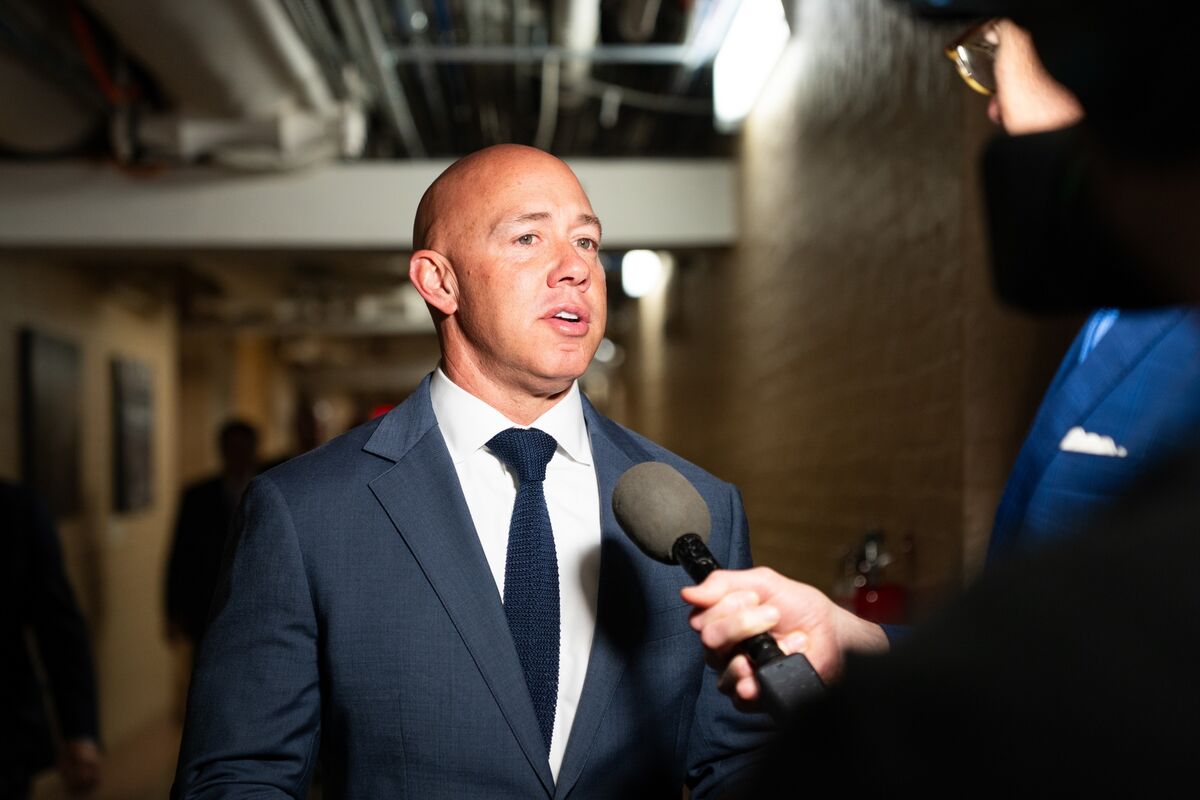
A US lawmaker is proposing legislation to block Zimbabwe from securing new IMF and World Bank funding until it pays a $3.5 billion debt to White farmers for confiscated land. This initiative underscores Zimbabwe's repeated failures to implement a 2020 compensation agreement and the recent rejection by farmers of a new treasury bond payment plan, potentially jeopardizing the nation's access to vital international capital and further complicating its economic outlook.
Proposed US legislation seeks to block Zimbabwe's access to new funding from the International Monetary Fund and the World Bank, creating a significant headwind for the nation's economy. The legislative action is directly tied to Zimbabwe's failure to honor its $3.5 billion commitment under the 2020 Global Compensation Deed to reimburse farmers for confiscated land. The government's poor track record is underscored by multiple revisions to the initial deal and the recent rejection by farmers of a new payment plan involving treasury bonds in April. This impasse jeopardizes Zimbabwe's ability to secure vital international capital, severely elevating its sovereign risk profile and complicating any prospects for macroeconomic stabilization.
AI-powered research, real-time alerts, and portfolio analytics for institutional investors.
Request DemoOverall Sentiment
strongly negative
Sentiment Score
-0.70
