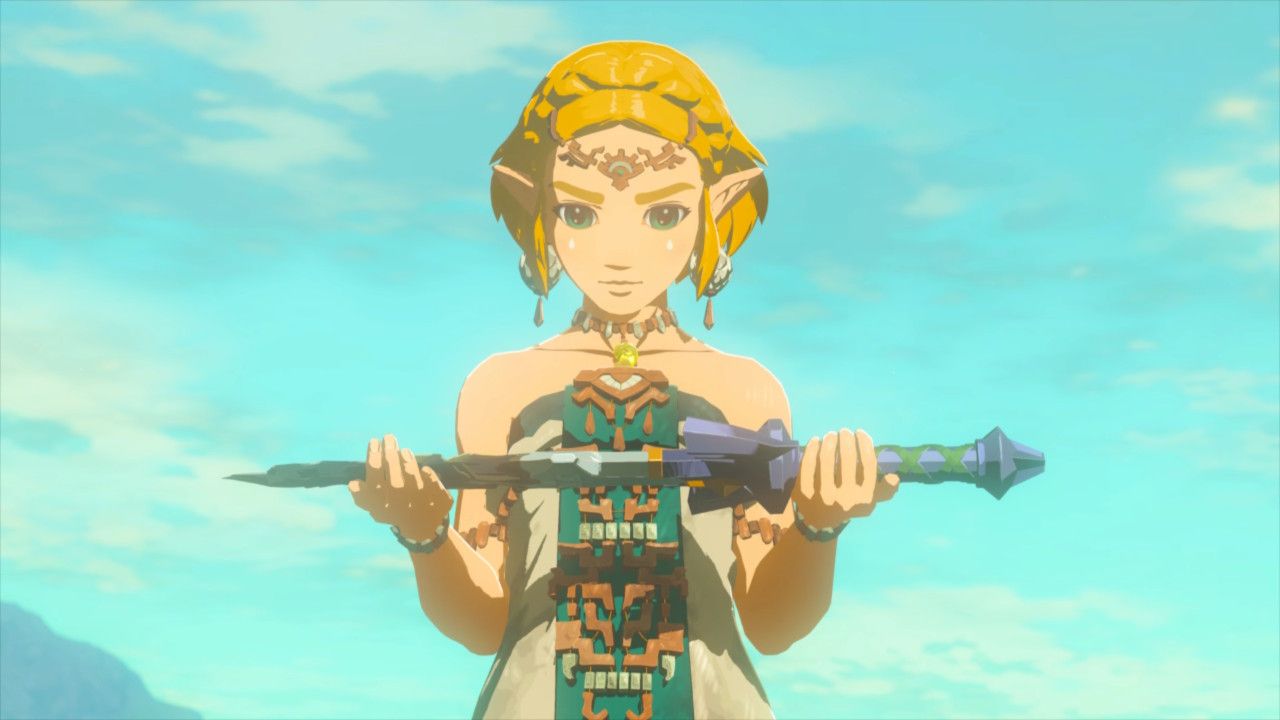
Nintendo's Zelda franchise milestone highlights broad availability of classic and modern titles on Switch platforms, noting that many retro games are accessible via Nintendo Switch Online (NSO) with the Expansion Pack and that The Wind Waker was recently added as a Switch 2 exclusive. The article lists key legacy and contemporary Zelda releases available on Switch 2 — including Breath of the Wild and Tears of the Kingdom — and underscores that easier digital access to formative titles could modestly support NSO subscription value and Switch 2 hardware demand, even as many modern entries remain near full price.
Market structure: Nintendo (NTDOY / 7974.T) is the primary beneficiary—Switch 2-exclusive content (Wind Waker) and deep retro catalogue via Nintendo Switch Online Expansion Pack strengthen platform lock-in, recurring revenue and attach rates. Suppliers to Nintendo (NVIDIA for SoC, NAND flash vendors) see incremental demand; physical second‑hand/retro game marketplaces face structural decline as subscription access reduces used-game turnover. Expect 3–12% upward pressure on Nintendo’s digital revenue line within 12 months if even 3–5% of a 140M installed base converts to Expansion Pack (7–7.5M subs).
Risk assessment: Tail risks include a supply shock (chip shortage) delaying Switch 2 build that could compress hardware margins and push Tokyo-listed shares down 10–25% in a quarter; subscription uptake risk (conversion <1–2%) could cap upside. Short-term (days–weeks) moves will track sell-through and inventory data; medium-term (quarters) will be driven by subscription ARPU and software monetization; long-term (years) depends on IP cadence and hardware refresh timing. Hidden dependency: strong software releases required to sustain upgrade cycle—a lull would expose the console to cyclical softness.
Trade implications: Direct long NTDOY exposure is preferred; complementary longs in NVDA for SoC exposure and in NAND flash names (e.g., MU) are logical. Use option structures to limit drawdowns (12-month call spreads on NTDOY sized 2–3% of portfolio). Consider short small-cap physical-game resellers (e.g., GME sized 0.5–1%) as a relative loser to digitalization.
Contrarian angles: Consensus underestimates cannibalization risk—free/low-cost retro access can reduce demand for remasters and used-game revenue, pressuring third-party publishers and retailers. The market may be overpricing Switch 2 halo: if first-quarter sell-through <1M units or Expansion Pack conversion <2% after 3 months, re-rate NTDOY down 10–15%. Historical parallel: Sony/Nintendo exclusives drove hardware cycles but only while software cadence stayed high—sustained content drought flips sentiment quickly.
AI-powered research, real-time alerts, and portfolio analytics for institutional investors.
Request DemoOverall Sentiment
mildly positive
Sentiment Score
0.12
