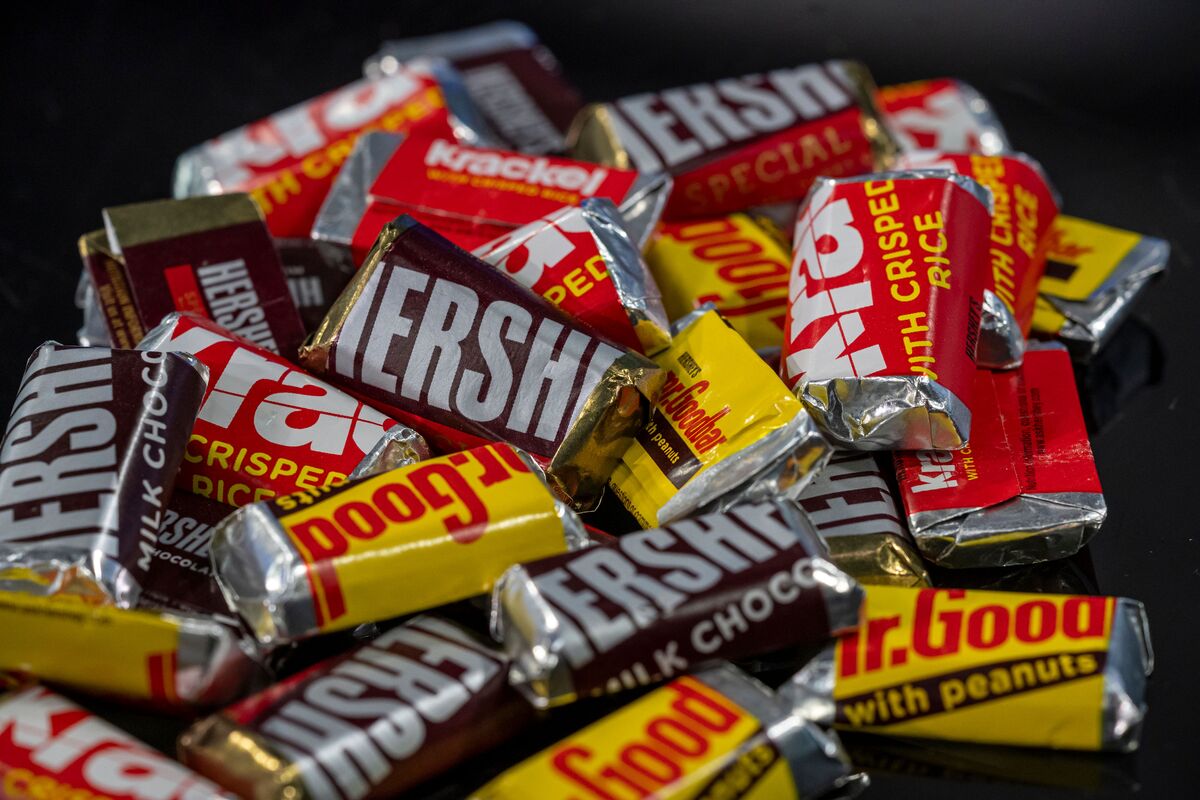
Hershey Co. announced it will remove synthetic dyes from its snack products by the end of 2027, a strategic move largely influenced by the increasing complexity of new state legislation regarding food additives. This decision positions Hershey as the latest major food company to proactively reformulate its offerings in response to evolving regulatory pressures and consumer preferences, signaling a broader industry shift towards cleaner labels.
The Hershey Company (HSY) has announced a strategic plan to eliminate synthetic dyes from its snack portfolio by the end of 2027. This decision is primarily driven by the increasing complexity of state-level legislation targeting food additives, positioning the move as a proactive measure to mitigate future regulatory risk and streamline national operations. By aligning with a broader industry trend towards cleaner labels, Hershey is addressing potential compliance challenges and evolving consumer preferences, which is reflected in the mildly positive market sentiment. While the low market impact score of 0.15 suggests this initiative is not expected to materially alter near-term financial performance, it represents a fundamental, long-term adjustment to its product strategy that strengthens its ESG profile and brand perception.
AI-powered research, real-time alerts, and portfolio analytics for institutional investors.
Request DemoOverall Sentiment
mildly positive
Sentiment Score
0.25
Ticker Sentiment
