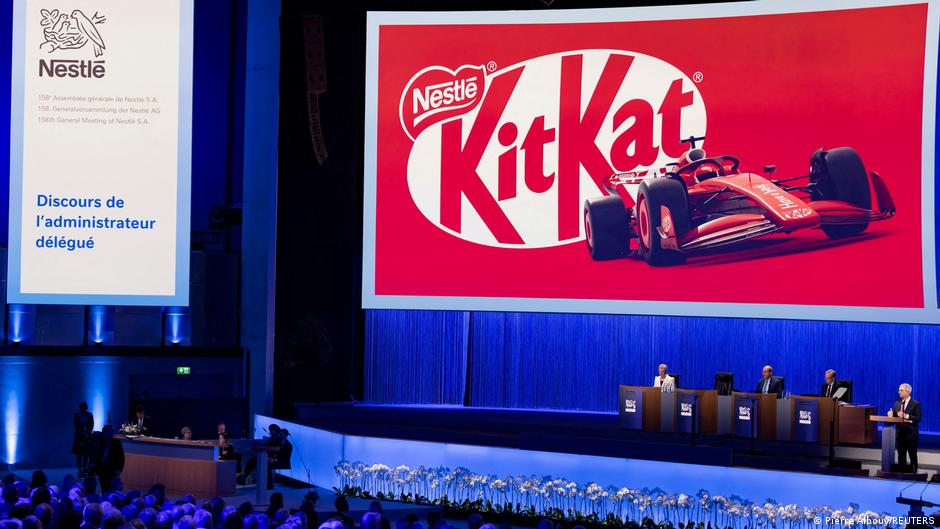
12 tonnes (about 413,793 bars) of KitKat were stolen from a truck traveling from central Italy to Poland; the vehicle and cargo remain missing. Nestle warned the theft could cause shortages of the new KitKat range in some European supermarkets and that stolen bars may surface in unofficial sales channels, though bars carry traceable batch codes. The company highlighted rising cargo-theft risk as an operational concern; impact is likely limited near-term but raises supply-chain security issues for the brand.
Cargo theft is transitioning from episodic loss to a structural cost line for fast-moving consumer goods (FMCG). Expect CPGs to internalize higher security and insurance costs rather than pass all of it to consumers; at the company level that’s likely a modest margin hit (single-digit basis points), but at the SKU/promotional level it can be 50–150bps of margin compression as brands prioritize shelf presence over unit margin. Timing: immediate retail disruption (days–weeks) with the full cost flow-through visible in logistics/SG&A and promo spends over the next 1–3 quarters.
Second-order competitive effects favor nearby, in-stock brands and private label in low-engagement, impulse channels; competitors with available inventory in the same geography can capture stickier share during promotion windows and potentially raise realized prices. Conversely, the existence of batch-level traceability reduces the value of stolen goods to organized resale networks — this both lowers permanent brand dilution risk and increases the likelihood of recovery or lockdown, shortening downside exposure to weeks rather than months. Retailers will react by tightening replenishment buffers and accelerating supplier audits, increasing working capital volatility for suppliers in the short term.
Logistics providers with embedded telematics, tamper sensors and custody-of-goods offerings should see pricing power as CPGs opt for insured, auditable routes; expect incremental per-shipment premiums and longer-term tech investment (CapEx and recurring telemetry fees) that benefit integrated carriers and hardware/software vendors. Asset-light brokers and route-focused carriers that cannot provide custody assurances are exposed — their freight rates will compress or require higher operating risk allowances. Key catalysts to watch: recovery/forensic trace results (days–weeks), insurance claim filings and rate guidance in earnings (1–2 quarters), and any regulatory moves mandating tracking for high-theft categories (months).
AI-powered research, real-time alerts, and portfolio analytics for institutional investors.
Request DemoOverall Sentiment
mildly negative
Sentiment Score
-0.15
