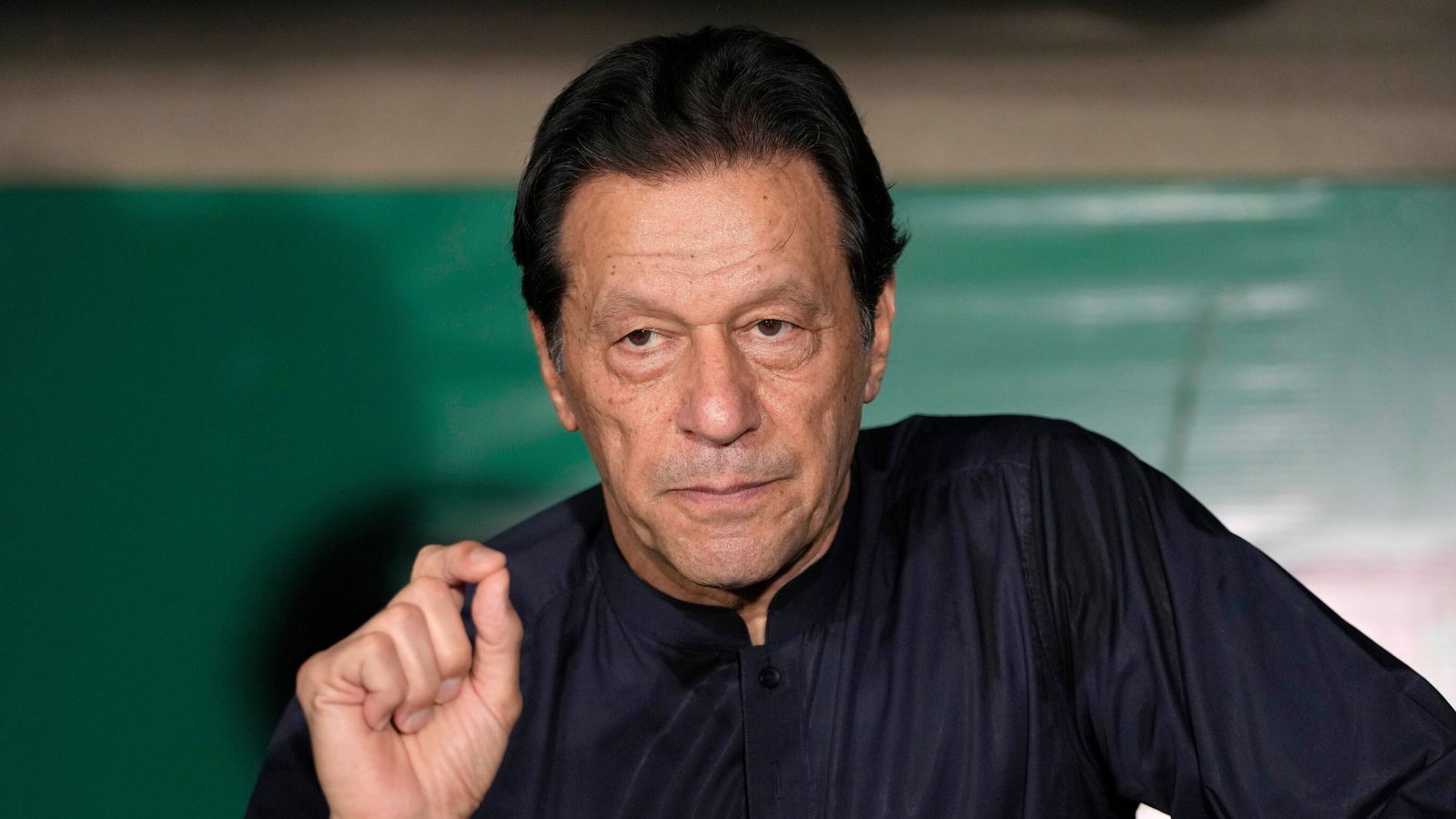
Imran Khan, imprisoned since August 2023 and recently given multiple prison sentences (including three years, a 14-year sentence in a corruption case and a 17-year sentence related to state gifts), is reported by his spokesman to have lost roughly 85% vision in his right eye and been denied access to his personal physician while held in solitary at Adiala prison. A prison medical team and a ‘fully equipped ambulance’ reportedly examined him inside the facility, with government doctors saying his eyesight improved, but Khan’s camp disputes access and transparency, prompting Supreme Court-ordered assessments and protests by Pakistan Tehreek-e-Insaf supporters. The episode heightens political instability and public unrest in Pakistan, presenting downside risk to investor sentiment and domestic stability though direct market-moving effects are likely limited to local risk premia and political-risk-sensitive assets.
Market structure: Political instability and prisoner-health controversies raise Pakistan-specific political risk, tightening risk premia for PKR assets while producing safe-haven inflows. Direct losers: Pakistan sovereign bonds, local banks, KSE-100 (large domestic consumption/capital cyclical names); winners: regional hedges (gold, USD cash) and global safe-haven bonds. Cross-asset: expect PKR to weaken 3-7% in stressed scenarios (days–weeks), 5–15% if widespread unrest, while Pakistan USD sovereign CDS and 2–10y yields reprice +100–500bps depending on severity.
Risk assessment: Tail risks include mass protests, supply-chain disruption around major ports, or targeted sanctions/ratings downgrades leading to sovereign default risk within 6–18 months. Immediate horizon (days): volatility spikes in FX and equities; short-term (weeks–months): capital controls or visa/asset frictions; long-term (quarters+): policy capture shifting investor access and restructuring risk. Hidden dependencies: IMF program compliance, external funding (GCC/China) and appetite of Pakistani banks for FX liquidity are key catalysts that can reverse moves rapidly.
Trade implications: Tactical plays favor short Pakistan-specific risk and hedging EM beta. Use CDS or short KSE-100 futures and buy USD/PKR forwards; hedge broader EM exposure via long GLD and long-duration US Treasuries (TLT) if risk-off persists. Options: buy 1–3 month ATM puts on EEM as low-cost insurance; consider 3–6 month PKR put options/forwards for targeted exposure. Entry: immediate to 2 weeks; exit: re-evaluate at 30/90/180-day marks or if IMF/foreign support announced.
Contrarian angles: Consensus may overprice permanent chaos—history (Turkey 2013, Pakistan 2014-18 bouts) shows volatility often overshoots then mean-reverts once external financing or negotiated political outcomes occur. If GCC/China step in with liquidity within 30–90 days, PKR and bonds can rally 10–30%; structured shorts should therefore be size-limited and paired with a liquidity stop at a 20–30% adverse move. Unintended consequence: heavy shorting or CDS buying could accelerate market closure or capital controls, amplifying losses for aggressive positions.
AI-powered research, real-time alerts, and portfolio analytics for institutional investors.
Request DemoOverall Sentiment
moderately negative
Sentiment Score
-0.50
