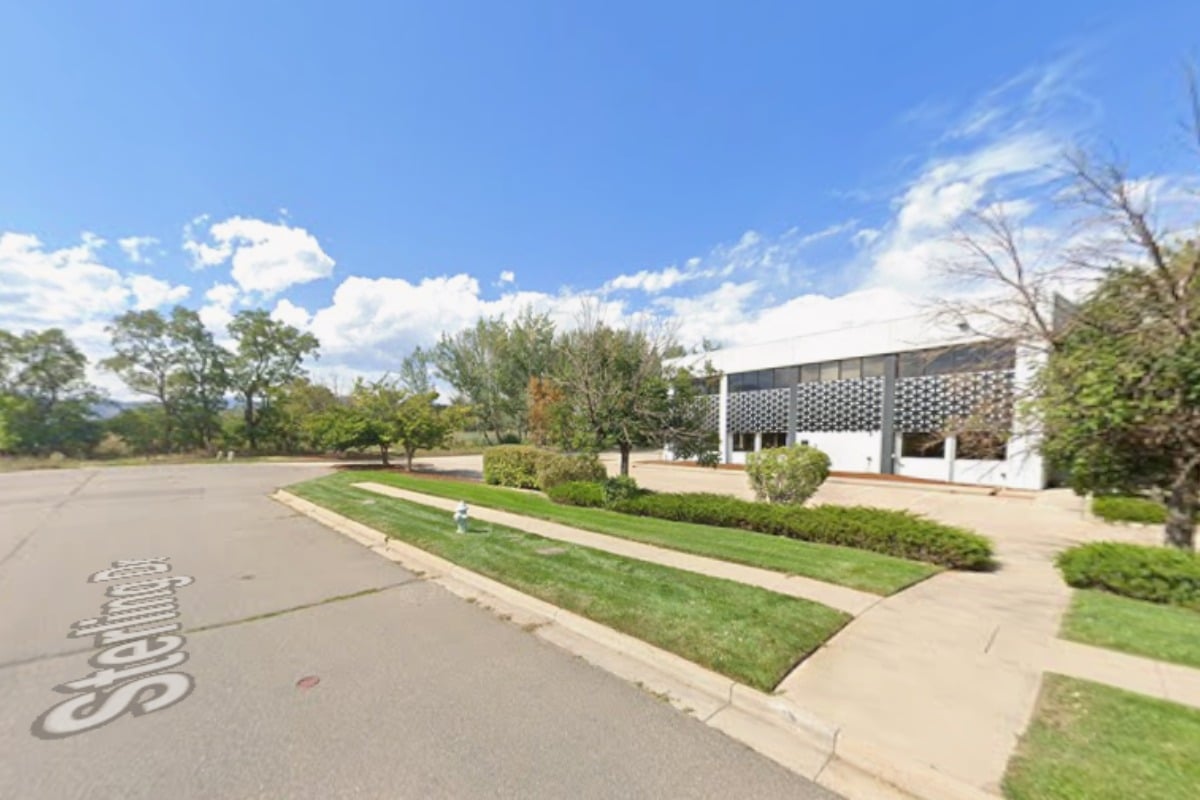
Denver-Boulder life-sciences vacancy rose to 27.3% in Q1 2026, with direct vacancy increasing to 20.5% from 15.2% a year earlier as speculative lab deliveries outpaced tenant demand. CBRE cited 12.7% direct vacancy and about 85,000 square feet of Q1 leasing, while the market still saw selective activity such as VitriVax's 31,465-square-foot expansion and Ambrosia Biosciences' $100 million Series B. The overall message is a reset toward move-in-ready space rather than a broad collapse.
The key second-order read is that this is less a demand shock than a timing mismatch between capital formation and occupancy. In life sciences, a quarter or two of “vacant” space can be economically meaningless if it is already leased but not yet fit for purpose; the real near-term signal is that tenant decision-making is shifting from growth-at-any-cost to capital-efficient expansion, which favors best-in-class, fully serviced product and penalizes generic shell space. That means a bifurcation in landlord economics: stabilized, amenity-rich assets should hold rent and lease velocity, while speculative developers face longer carry, higher concessions, and a greater probability of repricing refinance assumptions.
For public-market investors, the more actionable implication is not a broad read-through on CRE beta, but a relative-value setup between quality industrial/lab REIT exposure and more development-sensitive names. If tenant demand is still present but choosy, the winners are landlords with near-term deliverable space and balance-sheet capacity to fund TI/fit-out; the losers are those relying on prelease assumptions to justify new starts. Over the next 3-6 months, watch for a slowdown in speculative starts before headline vacancy peaks out, because financing discipline usually lags occupancy deterioration by one reporting cycle.
The contrarian view is that headline vacancy may be overstating stress if the market is transitioning from scarcity to normalization rather than entering a true oversupply regime. Strong venture funding into biotech platforms can convert into leasing demand with a 6-18 month lag, so a current vacancy spike may actually be the trough of pricing power, not the start of a multi-year unwind. The risk to that view is that if build-out timelines elongate and capital markets stay tight, the “leased but empty” pipeline can artificially suppress absorption for several quarters, extending the digestion phase and pressuring developer returns.
AI-powered research, real-time alerts, and portfolio analytics for institutional investors.
Request TrialOverall Sentiment
mildly negative
Sentiment Score
-0.15
Ticker Sentiment
