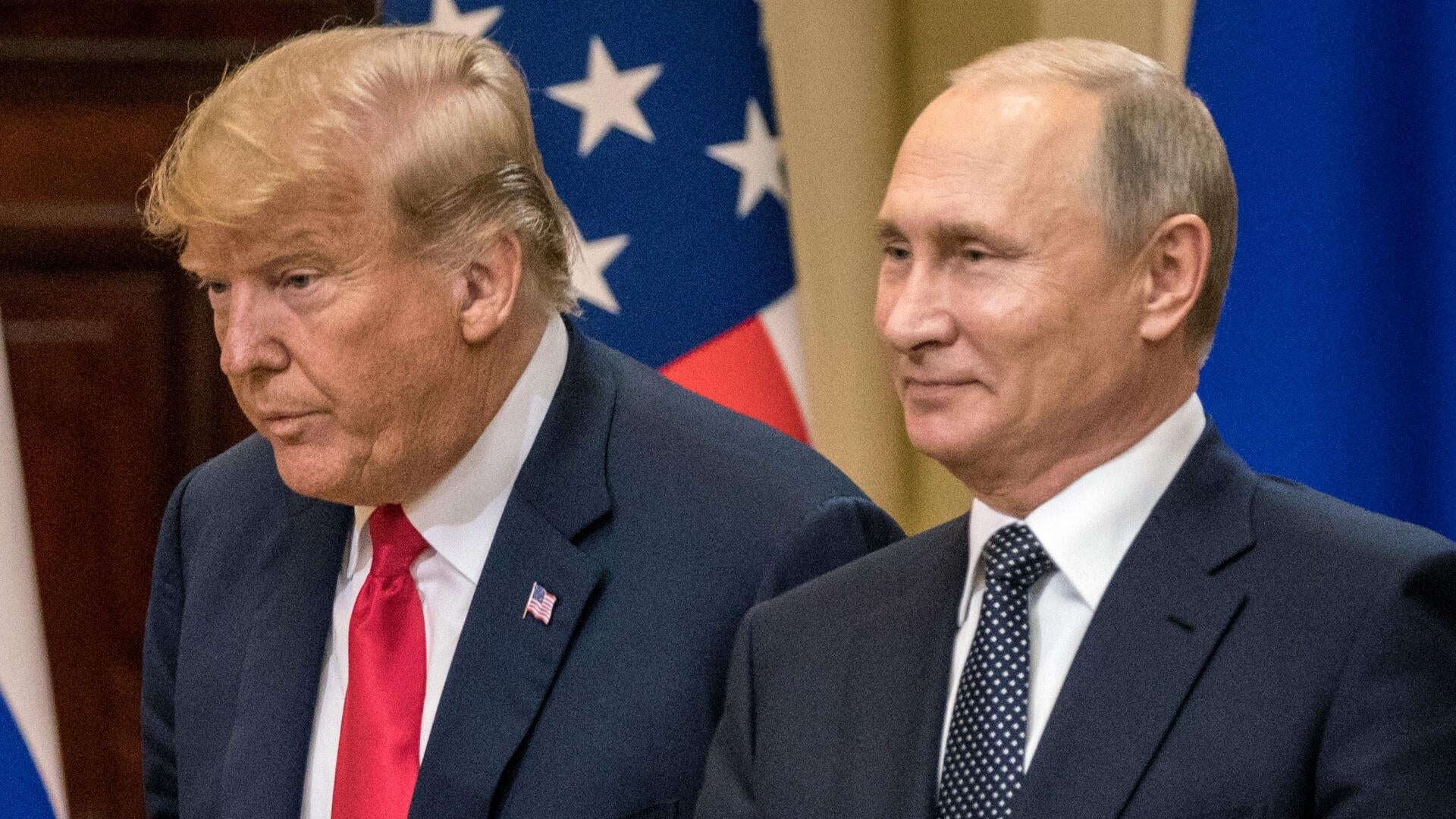
President Trump is set to announce an initial peace deal between Azerbaijan and Armenia at the White House, marking the first direct agreement between the two nations' leaders. This pact is strategically significant as the U.S. seeks to deepen ties, particularly concerning energy production and transit, potentially opening new trade routes to the West that bypass Russia and Iran. Armenia is also expected to announce U.S. development rights for a critical 43-kilometer transit corridor, underscoring the deal's geopolitical and economic implications for regional stability and trade.
The impending announcement of a U.S.-brokered peace agreement between Azerbaijan and Armenia represents a significant geopolitical development with tangible economic and strategic implications. This pact, the first ever directly between the two heads of state, is primarily centered on enhancing U.S. ties through energy and transit initiatives. A key component is Armenia's plan to grant the U.S. development rights for a 43-kilometer corridor, the 'Trump Route for International Peace and Prosperity,' designed to create a new trade and energy pathway to the West. This development is strategically critical as it would allow Azerbaijan, a notable oil and gas producer bordering Russia, to export resources to Europe and Ukraine while bypassing both Russian and Iranian territory. The agreement also serves as a stated prerequisite for Azerbaijan's potential entry into the Abraham Accords, signaling a broader U.S. strategy to expand the diplomatic framework. While the deal marks a breakthrough after decades of conflict and recently stalled negotiations, its description as an 'initial' pact suggests that implementation and long-term stability remain key variables.
AI-powered research, real-time alerts, and portfolio analytics for institutional investors.
Overall Sentiment
strongly positive
Sentiment Score
0.65
