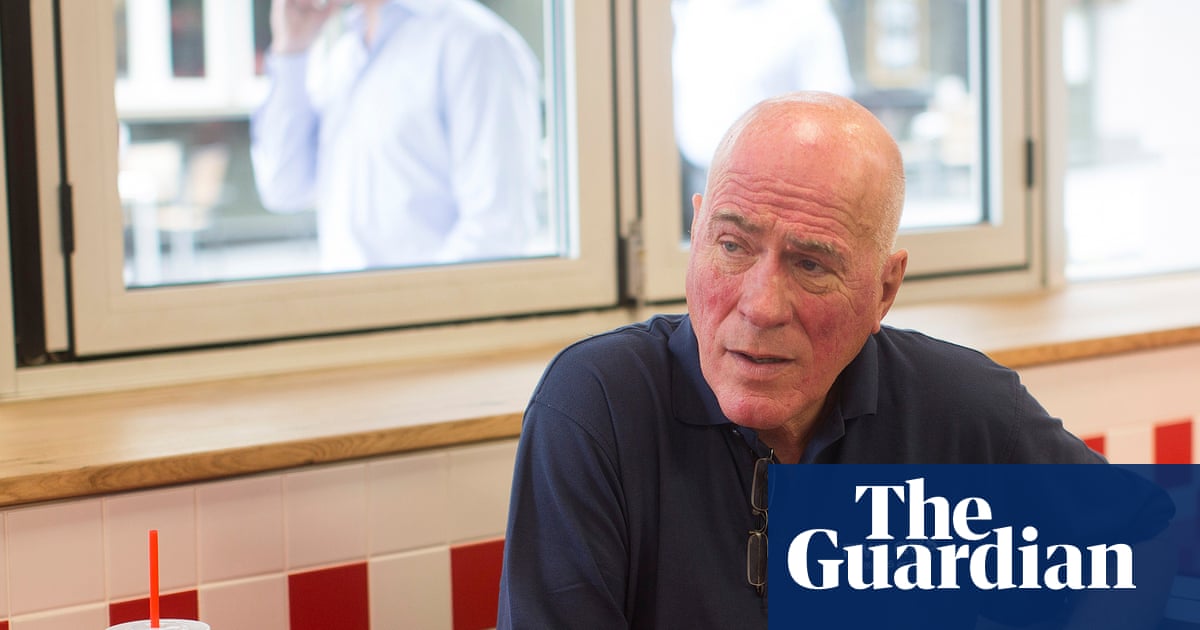
Five Guys CEO Jerry Murrell paid a $1.5m bonus to employees across roughly 1,500 U.S. stores after a buy-one-get-one promotion overwhelmed demand, crashed the app, and prompted apologies on Feb 18 and a restarted promotion on Mar 9. The payment and public apologies aim to mitigate a localized operational and PR failure (Five Guys: ~1,900 locations, 30,000 employees globally) and are unlikely to have material market impact.
A promotional execution failure at a private quick‑service operator has two near‑term market effects: (1) transient demand reallocation to rivals with proven digital/drive‑thru reliability, and (2) an immediate spike in non‑labor remediation costs (bonuses, overtime, PR) that compress margins for the affected operator and, to a lesser degree, its franchisees. Expect the demand reallocation to concentrate within the next 1–6 weeks and largely normalize over 1–3 quarters if the chain executes credible remediation; the real durable hit is to perceived operational competence, not brand loyalty.
Second‑order winners are platform and service providers that sell resiliency (ordering infrastructure, queue management, incident response) and incumbents with deep drive‑thru capacity — these players can capture incremental volume without proportional incremental cost. Conversely, small, promotion‑dependent chains with thin tech stacks are most exposed to short‑term traffic loss and reputational damage; their lower fixed‑cost leverage magnifies EPS sensitivity to customer churn in the next 1–2 quarters.
On governance and legal fronts, heightened executive rhetoric linking operational missteps to physical threats elevates C‑suite security and insurance as line‑item costs; boards will lean toward preemptive employee compensation and tighter crisis playbooks. Tail risks include a violent incident creating regulatory scrutiny or litigation that could materialize over 6–24 months and drive sectorwide increases in security/insurance premiums by tens to low hundreds of basis points.
The market will likely overshoot both ways: initial selloffs often price in persistent share loss that rarely occurs, while successful, visible remediation (do‑overs, compensation, tech fixes) tends to restore foot traffic quickly. Monitor store‑level sales and digital uptime metrics over the next 2–8 weeks as the primary indicators of durable impact.
AI-powered research, real-time alerts, and portfolio analytics for institutional investors.
Request DemoOverall Sentiment
mixed
Sentiment Score
-0.05
