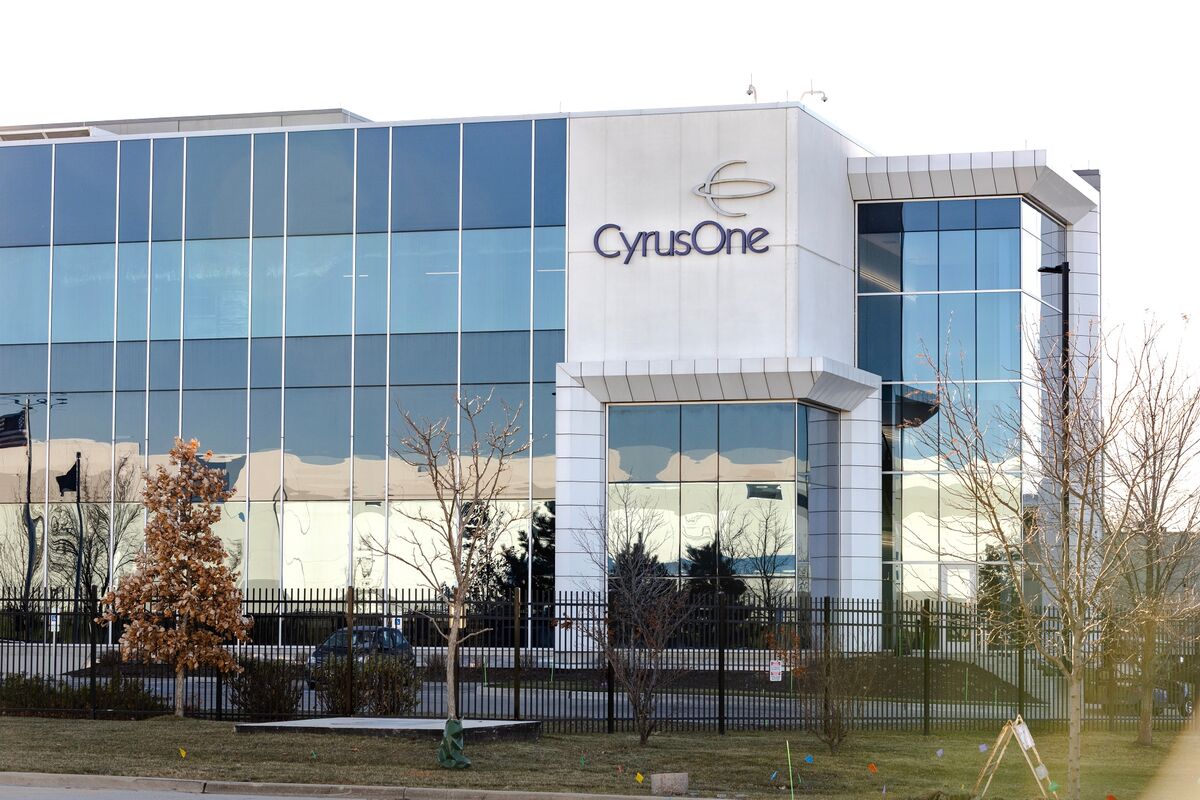
A data-center failure in a Chicago suburb prompted CME Group to halt its futures and options markets at 9:41 p.m. ET on Thursday, briefly freezing critical global derivatives trading while much of Wall Street was closed for Thanksgiving. The outage disrupted price discovery and risk-management channels for market participants, creating elevated short-term volatility and potential liquidity strains as traders and hedgers were unable to access CME-run contracts.
Market structure: The immediate winners are competing exchange operators (ICE) and third‑party colo/cloud providers (Equinix, Digital Realty) as clients reprice redundancy; direct losers are CME (ticker CME) and latency‑dependent market makers who face hit to revenue and client churn. Expect a 5–15% short‑term volume displacement in affected product lines and transient basis dislocations between cash and futures leading to 10–30% jumps in intraday implied vol for affected contracts.
Risk assessment: Tail risks include a regulatory enforcement action (CFTC fine in the $100M–$500M range), forced margin hikes that could trigger cascade liquidations, or a multi‑day outage that shifts share volumes permanently (5–10% market share drift over 6–12 months). Immediate (days) effect is volatility and liquidity strain; short term (weeks–months) is revenue guidance pressure; long term (quarters–years) is capex and potential structural market share loss as customers diversify.
Trade implications: Short CME vs long ICE is the clean relative‑value play; buy defined‑risk CME puts/spray to hedge corporate risk. Use short‑dated volatility buys (SPX 1–3 week ATM straddles or VIX call spreads) to capture liquidity premium; rotate portfolio 2–4% into data‑center REITs (EQIX, DLR) for 6–12 months.
Contrarian angles: Consensus will over‑price permanent migration away from CME — historical exchange outages (NASDAQ 2013, prior CME glitches) produced fines but limited long‑run share loss. If CME equity drops >10% without clear long‑term volume migration, it becomes a tactical buy with protective options; unintended consequence: accelerated migration to a few cloud/colo monopolists, raising pricing power for EQIX/DLR.
AI-powered research, real-time alerts, and portfolio analytics for institutional investors.
Overall Sentiment
moderately negative
Sentiment Score
-0.45
Ticker Sentiment
