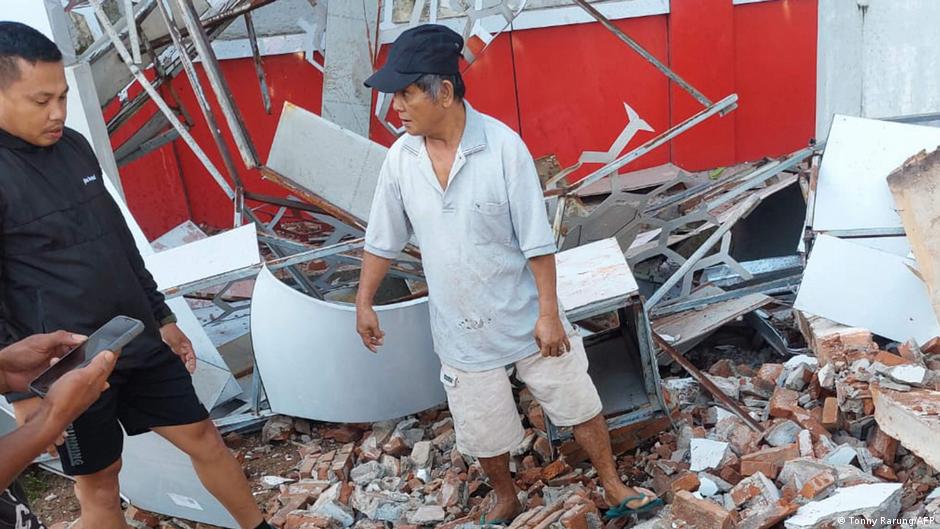
A magnitude 7.4 earthquake struck the Northern Molucca Sea ~127 km west of Ternate at a depth of ~35 km on April 2, 2026, prompting a regional tsunami warning that was later lifted. USGS recorded aftershocks up to M5.0; reported tsunami heights were ~30 cm in North Maluku and ~20 cm in Bitung; at least one fatality and building damage reported in Manado. Expect localized disruption to ports, transport links and infrastructure in North Maluku and northeastern Sulawesi and potential short-term insurance and logistics impacts; market-wide effects are likely limited but monitor regional energy/transport routes and insurers with concentration in the area.
This event creates a three-horizon impact profile: immediate (days) operational disruption to local ports, mining logistics and short-sea feeder services; medium (weeks–months) reconstruction-driven demand for cement, steel and local contractors; and long (6–36 months) policy responses that accelerate spending on resilient ports/early-warning systems. The most actionable channel is supply-chain tightness for laterite nickel and other island-sourced minerals: if exports from North Maluku/nearby Halmahera are curtailed 10–20% for even 2–8 weeks, benchmark nickel could reprice higher by ~8–20% as inventories are thin and processing is regionally concentrated.
Insurance and reinsurance balance sheets should see limited secured losses given low local insurance penetration; the market often overestimates reinsurer P&L sensitivity to shallow, localized quakes. Conversely, Indonesian fiscal and state-owned construction names are asymmetric beneficiaries — public reconstruction programs routinely front-load spending within 3–12 months, supporting materials and domestic contractors while improving near-term earnings visibility.
Market-risk nuance: EM sentiment may gap against Indonesia (FX and local yields) on headline shock and tourist flow concerns, creating short-duration entry points into IDR and onshore bonds once volatility peaks. Tail risk is concentrated in aftershock cascades or a damaging tsunami event — a >7.0 aftershock near a shallow subduction interface within 72 hours would materially widen spreads and extend the window for tactical hedges.
AI-powered research, real-time alerts, and portfolio analytics for institutional investors.
Overall Sentiment
mildly negative
Sentiment Score
-0.35
