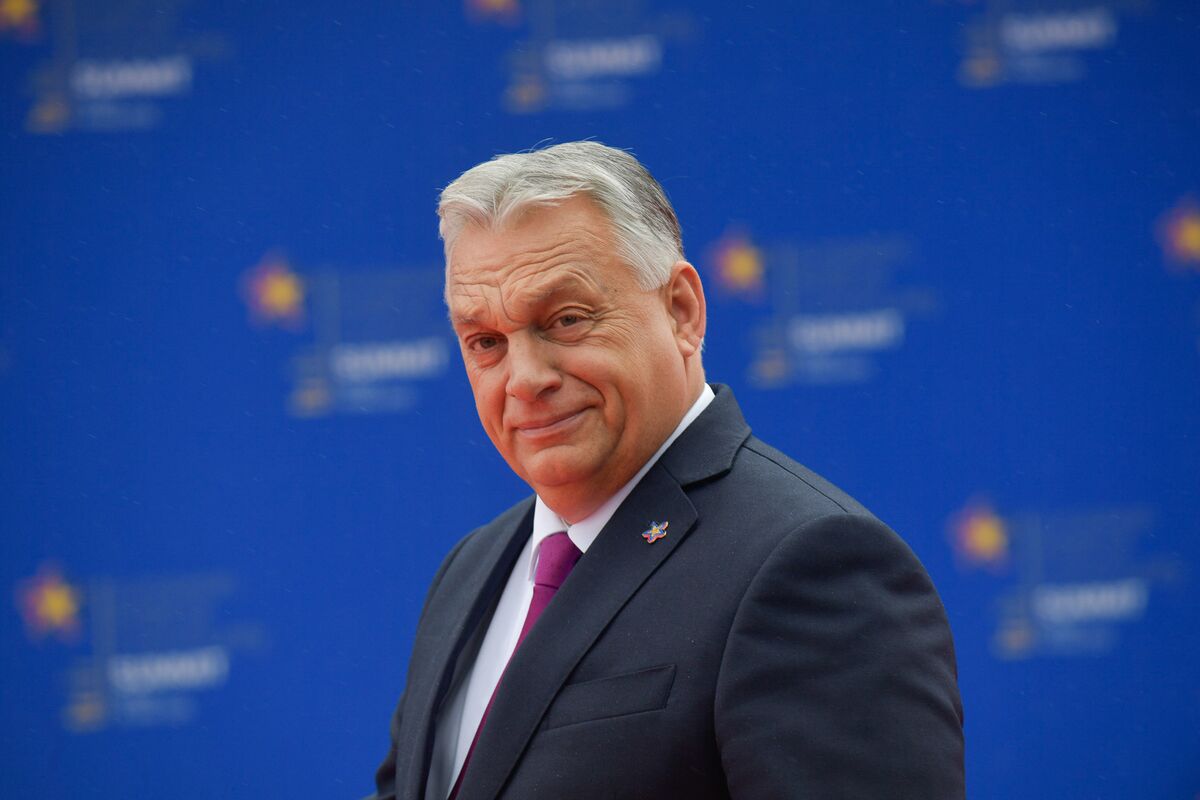
Hungary's Prime Minister Viktor Orban has announced a new home subsidy program for public employees, including doctors, nurses, teachers, and soldiers, offering 1 million forint ($2,870) annually for mortgages or new home down-payments. This initiative represents a significant pre-election spending boost, aimed at reversing Orban's declining popularity less than a year before national elections.
The Hungarian government has announced a new fiscal stimulus program in the form of an annual 1 million forint ($2,870) home subsidy for public employees, including doctors, nurses, and teachers. This policy, explicitly timed less than a year before elections to address Prime Minister Viktor Orban's sliding popularity, represents a notable increase in politically motivated election spending. While the direct market impact is initially assessed as low, the initiative will exert pressure on the national budget and signals a potential trend of further populist fiscal measures leading up to the vote. For investors, this development injects a degree of fiscal uncertainty and is expected to provide a targeted stimulus to the domestic housing market and household consumption for the public sector demographic.
AI-powered research, real-time alerts, and portfolio analytics for institutional investors.
Request DemoOverall Sentiment
neutral
Sentiment Score
0.00
