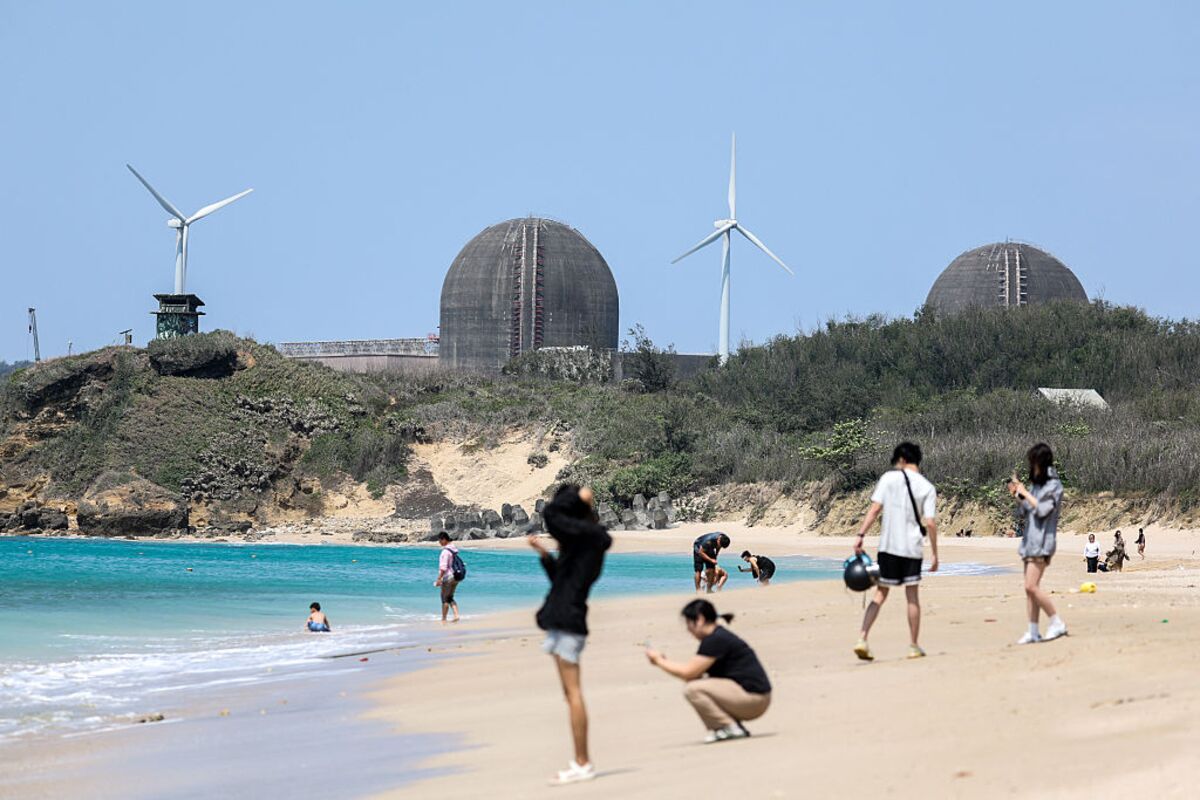
Taiwan's referendum to restart the Maanshan nuclear power plant failed, with only 22% of voters supporting the measure, falling short of the 25% threshold. This outcome intensifies pressure on President Lai Ching-te to address the island's growing energy demands, particularly from its expanding semiconductor industry, amidst existing policy constraints and safety concerns. The failure exacerbates Taiwan's energy conundrum, potentially impacting long-term power stability for critical industries.
The failure of a referendum to restart Taiwan's Maanshan nuclear power plant, which secured only 22% of votes against a 25% threshold, significantly exacerbates the island's energy supply challenges. This outcome places direct pressure on President Lai Ching-te's administration to secure stable power for critical industries, most notably the rapidly expanding semiconductor sector, which has substantial energy requirements. The decision introduces considerable uncertainty into Taiwan's long-term energy policy, forcing a difficult balance between industrial growth demands, prevailing anti-nuclear sentiment, and existing party policies. While the President acknowledged a potential future for nuclear power contingent on technological and safety improvements, this provides no immediate solution to the looming energy deficit, reinforcing the moderately negative outlook and potential for market volatility.
AI-powered research, real-time alerts, and portfolio analytics for institutional investors.
Request DemoOverall Sentiment
moderately negative
Sentiment Score
-0.50
