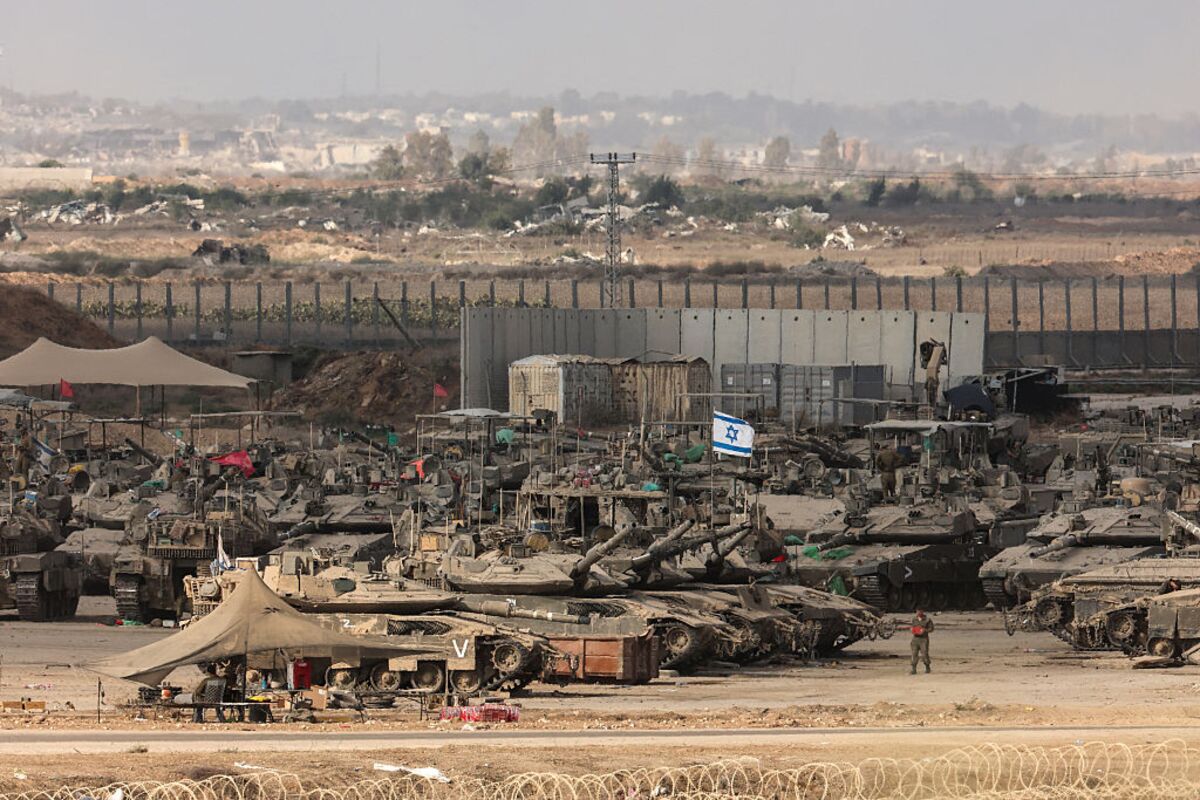
Israel's war costs are projected to rise by an additional 25 billion shekels ($7.5 billion) by year-end, driven by the Gaza City assault. This new expenditure, equivalent to over 1% of Israel's GDP, adds to the existing 204-billion-shekel military tally for the conflict, which has expanded to include Lebanon, Iran, Syria, and Yemen, with primary spending on reservists' salaries, ammunition, and missile interceptors.
Israel's fiscal position is set to deteriorate further as the war in Gaza escalates, with the planned assault on Gaza City projected to add 25 billion shekels ($7.5 billion) in military costs by year-end. This new expenditure, representing over 1% of the nation's GDP, compounds an already substantial 204-billion-shekel military bill for a conflict that has been ongoing for nearly two years and has expanded regionally to include Lebanon, Iran, Syria, and Yemen. The identified cost drivers—namely reservists' salaries, ammunition, and missile interceptors—indicate that these are direct, operational expenses rather than long-term capital investments. This significant, unbudgeted fiscal shock points to increased pressure on the national budget, likely necessitating greater sovereign debt issuance and potentially impacting investor confidence in the country's economic stability amidst a protracted and widening geopolitical conflict.
AI-powered research, real-time alerts, and portfolio analytics for institutional investors.
Request DemoOverall Sentiment
strongly negative
Sentiment Score
-0.70
