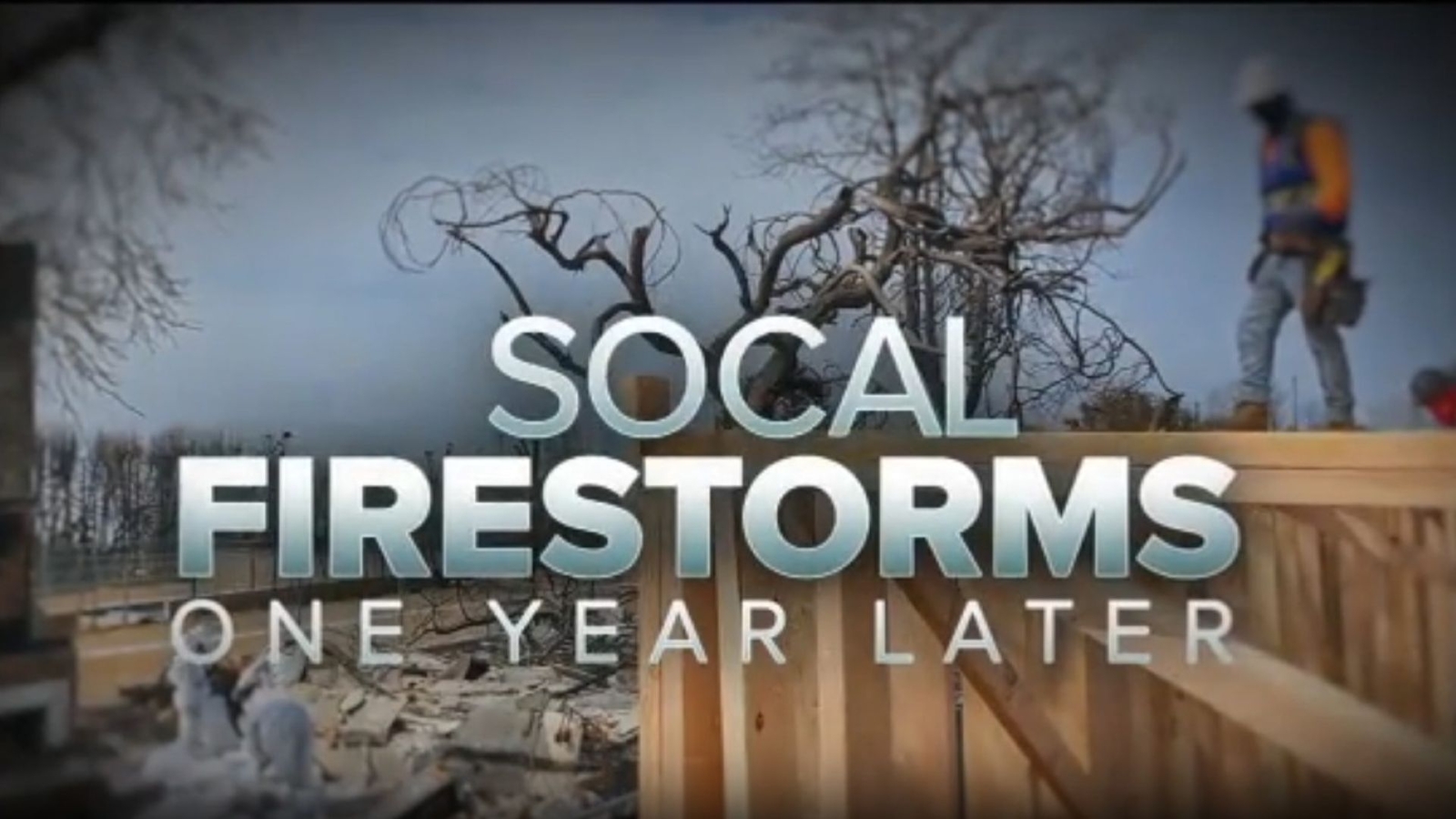
The Eaton and Palisades wildfires in January killed 31 people and destroyed thousands of buildings — homes, schools and neighborhood businesses — in Southern California. One year later communities are still rebuilding amid persistent grief and frustration, with potential knock-on effects for local housing supply, reconstruction-driven demand, insurance losses and municipal fiscal pressures that could influence regional economic activity.
Market structure: Rebuilding creates concentrated, multi-quarter demand for building materials, home-improvement retail and local contractors—beneficiaries include HD and LOW (incremental DIY + contractor sales) and SHW for coatings; insurers and local commercial real-estate owners are clear losers due to claims and vacancy. Pricing power will be greatest where supply is tight: lumber and specialty trades (electrical/HVAC) where lead times can push margins +5–10% for suppliers over 3–9 months.
Risk assessment: Tail risks include a repeat fire season or a large utility liability verdict (PG&E/PCG-style) that forces premium spikes, moratoria on rebuilds, or federal restrictions on construction in fire zones; these are 1–10% probability but would reprice insurers and regional housing markets within 1–12 months. Hidden dependencies: labor shortages, permitting slowdowns, and reinsurance renewal cycles (June–July) that could amplify costs; monitor CA building-permit data and state insurance rate filings over the next 30–90 days as catalysts.
Trade implications: Tactical overweight building-materials/retail (HD, LOW, SHW) for 3–9 months via equity or call spreads; hedge by buying protection on large P&C insurers with outsized CA book (e.g., ALL) via 3–6 month puts to capture underwriting repricing. Fixed-income/credit: expect increased muni issuance in affected counties—prefer short-duration muni funds to pick up 50–150bp new-issue concessions while avoiding long-duration exposure.
Contrarian angles: Consensus underestimates the speed at which premiums reprice—insurers can raise rates and cede risk to reinsurers within two renewal cycles, compressing the long-term hit to earnings; conversely, a policy-driven cap on rebuild density would structurally raise construction costs and benefit large national suppliers. Historical parallels (2018 Camp/2017 hurricane season) show a 6–12 month spike then normalization; mispricings are likely in insurers and local REITs if markets extrapolate short-term losses as permanent.
AI-powered research, real-time alerts, and portfolio analytics for institutional investors.
Request DemoOverall Sentiment
moderately negative
Sentiment Score
-0.60
