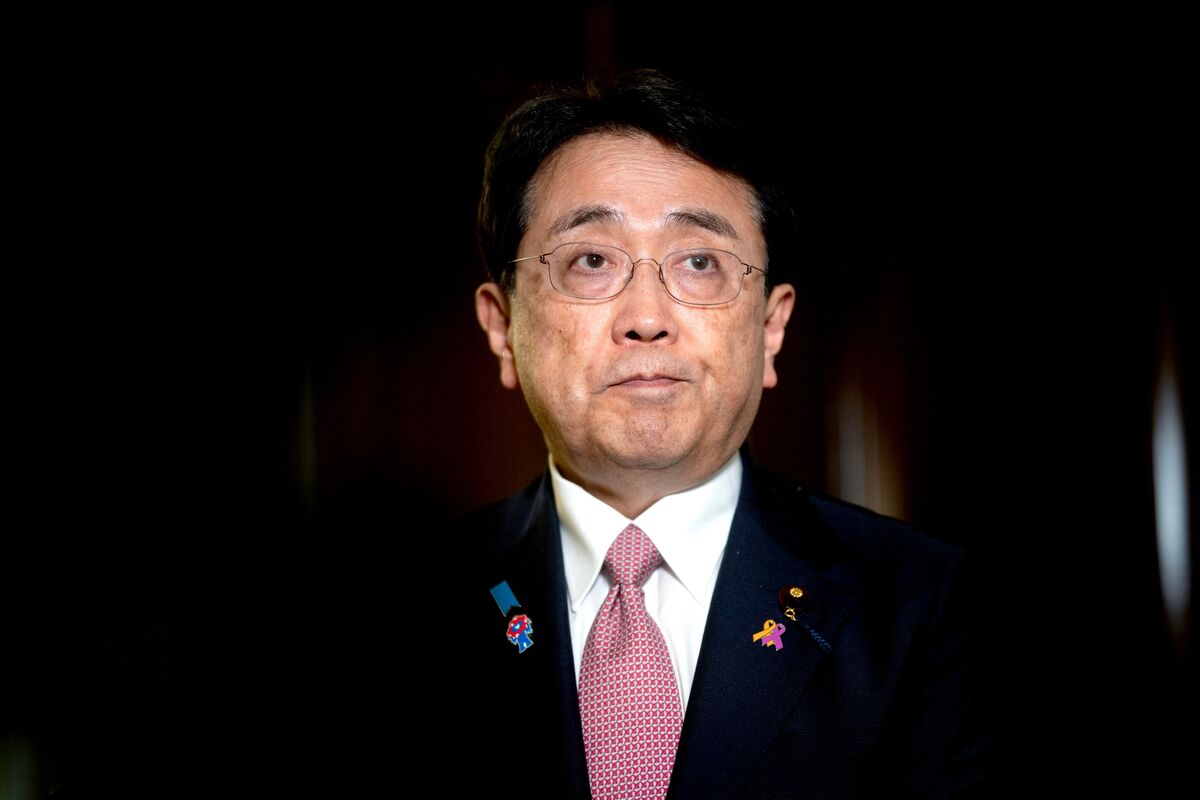
Japan's top tariff negotiator, Ryosei Akazawa, faces potential 'bad optics' and renewed pressure as US Treasury Secretary Scott Bessent and Commerce Secretary Howard Lutnick are scheduled to visit Osaka on July 19 for the World Expo's US National Day, with no confirmed plans to meet Akazawa for trade discussions. This uncertainty regarding high-level trade talks during the visit could signal a lack of immediate progress or a perceived diplomatic slight.
A notable degree of uncertainty surrounds the upcoming visit of US Treasury Secretary Scott Bessent and Commerce Secretary Howard Lutnick to Japan, creating a potential headwind for US-Japan trade relations. While the officials are scheduled to be in Osaka on July 19, their agenda has not yet confirmed a meeting with Japan's top tariff negotiator, Ryosei Akazawa. This ambiguity presents a significant 'bad optics risk' for the Japanese government and could exert renewed pressure on Akazawa. The situation is interpreted with a moderately negative sentiment, as a failure for the key US officials on trade to meet their Japanese counterpart could signal a lack of immediate progress on negotiations or a deliberate diplomatic slight. Although the market impact is currently assessed as low-to-moderate, the event serves as a key indicator for the future tone of discussions on critical themes like tariffs and trade policy between the two nations.
AI-powered research, real-time alerts, and portfolio analytics for institutional investors.
Request DemoOverall Sentiment
moderately negative
Sentiment Score
-0.50
