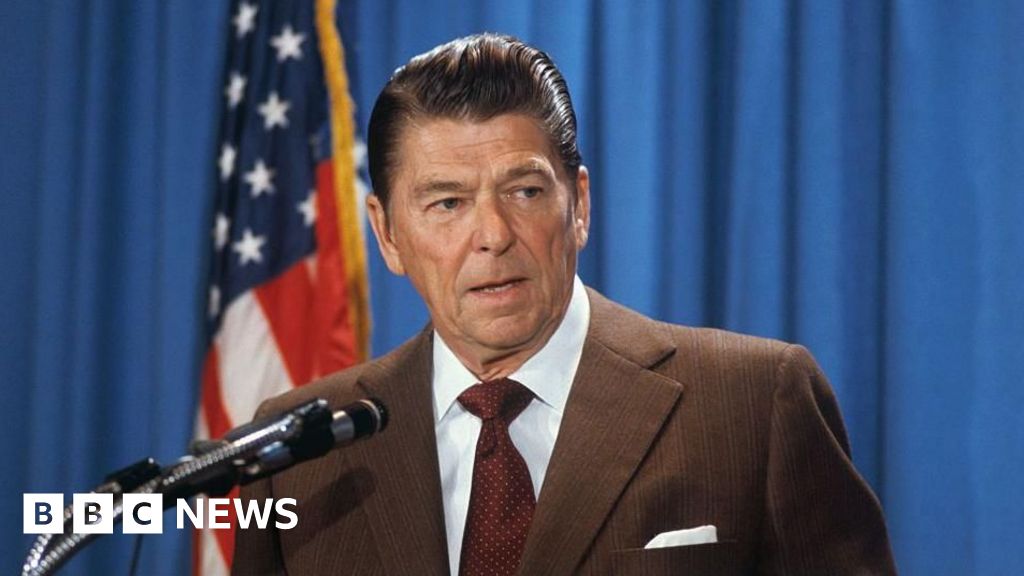
President Trump announced a 10% increase in tariffs on Canadian goods, citing an anti-tariff advertisement from Ontario featuring Ronald Reagan as the catalyst. This new levy is in addition to existing US tariffs, including a 35% general levy and sector-specific duties on metals and automobiles, significantly impacting Canada, which sends three-quarters of its exports to the US. Canadian Prime Minister Mark Carney expressed readiness to continue trade discussions but also highlighted efforts to diversify trade relationships with other nations, underscoring the escalating trade tensions and their potential economic implications for Canada's export-reliant sectors.
President Trump has announced an additional 10% tariff on Canadian goods, escalating trade tensions and citing an anti-tariff advertisement from Ontario featuring Ronald Reagan as the catalyst. This new levy compounds existing US tariffs, which include a 35% general tariff and sector-specific duties of 50% on metals and 25% on automobiles. The tariffs are a direct response to the advertisement, which Trump deemed a "fraud," indicating a politically charged trade dispute.
This tariff increase significantly impacts Canada, given that three-quarters of its exports are directed to the US, with Ontario's automotive manufacturing sector particularly vulnerable. While tariffs are technically paid by US importers, they effectively raise costs for Canadian goods, potentially reducing their competitiveness in the US market. Canadian Prime Minister Mark Carney expressed readiness for continued trade discussions but simultaneously highlighted strategic efforts to diversify trade relationships, including making deals with ASEAN members, and plans for an "ambitious budget" with generational investments.
The Canadian Chamber of Commerce views these tariffs as a "tax on America first" and detrimental to overall North American competitiveness, underscoring the economic concerns beyond the political rhetoric. The strongly negative sentiment score of -0.65 and pessimistic tone associated with this development suggest significant market apprehension regarding the escalating trade dispute. The market impact score of 0.65 further indicates a notable potential for market disruption.
AI-powered research, real-time alerts, and portfolio analytics for institutional investors.
Request DemoOverall Sentiment
strongly negative
Sentiment Score
-0.65
