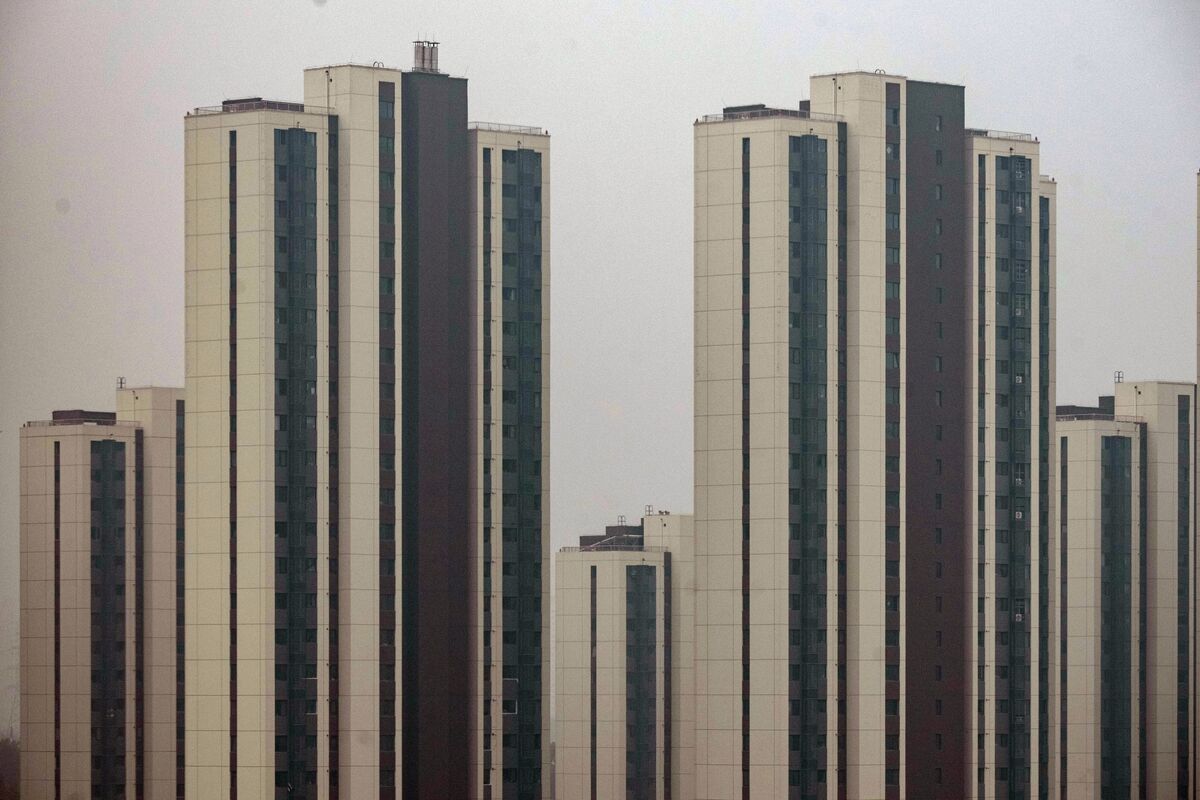
Chinese authorities have ordered inspections of high-rise residential blocks for safety risks following a serious fire in Hong Kong, signaling heightened regulatory scrutiny of building safety. For investors, the move raises the prospect of increased compliance and remediation costs for developers and property managers and could weigh on sentiment in China and Hong Kong real-estate assets. The announcement is primarily a policy/safety action rather than an immediate market shock, but it represents an incremental regulatory risk to monitor for property-sector exposures.
Market structure: Immediate winners are high-quality, state-backed developers and professional property managers that can absorb retrofit costs and reassure buyers; losers are highly leveraged private developers and owners of older walk-up stock that face evacuation/repair bills. Inspections raise short-term compliance costs and slow transactions, likely compressing margins for smaller developers while increasing pricing power for SOEs that can deliver certified inventory; expect a 3–8% relative outperformance gap within 1–3 months between high-grade vs low-grade names.
Risk assessment: Tail risks include mass evacuations or large-scale building condemnations leading to a 10–30% hit to local transaction volumes and spike in distressed sales, propagating to offshore dollar bond defaults and bank NPLs in stressed cities. Time horizons: price shock in days, credit/downgrade wave in weeks–months, structural capital expenditure (retrofits) and consolidation over quarters–years. Hidden dependencies: land-sale revenue for local governments and mortgage sentiment; a prolonged clamp could force policy support or targeted liquidity backstops.
Trade implications: Favor defensive, quality-biased exposure to China property (SOE developers, property managers) and short/credit-protect high-yield private developers; volatility around inspection results creates an options buy window—1–3 month puts or put spreads on weak names or a property subindex. Cross-asset: expect widening of China HY bond spreads, modest CNY weakness if contagion grows, and selective commodity reflation for fire-safety/retrofit materials (steel, copper).
Contrarian angles: Consensus may overstate systemic collapse risk — central government historically provides calibrated support to avoid banking stress, so deep systemic defaults are lower probability absent simultaneous land-revenue shock. Underappreciated: retrofit capex could create multi-quarter revenue streams for construction-materials and niche safety-equipment suppliers; the market may oversell developers but undershoot winners of mandated spending and consolidation benefits.
AI-powered research, real-time alerts, and portfolio analytics for institutional investors.
Request DemoOverall Sentiment
mildly negative
Sentiment Score
-0.25
