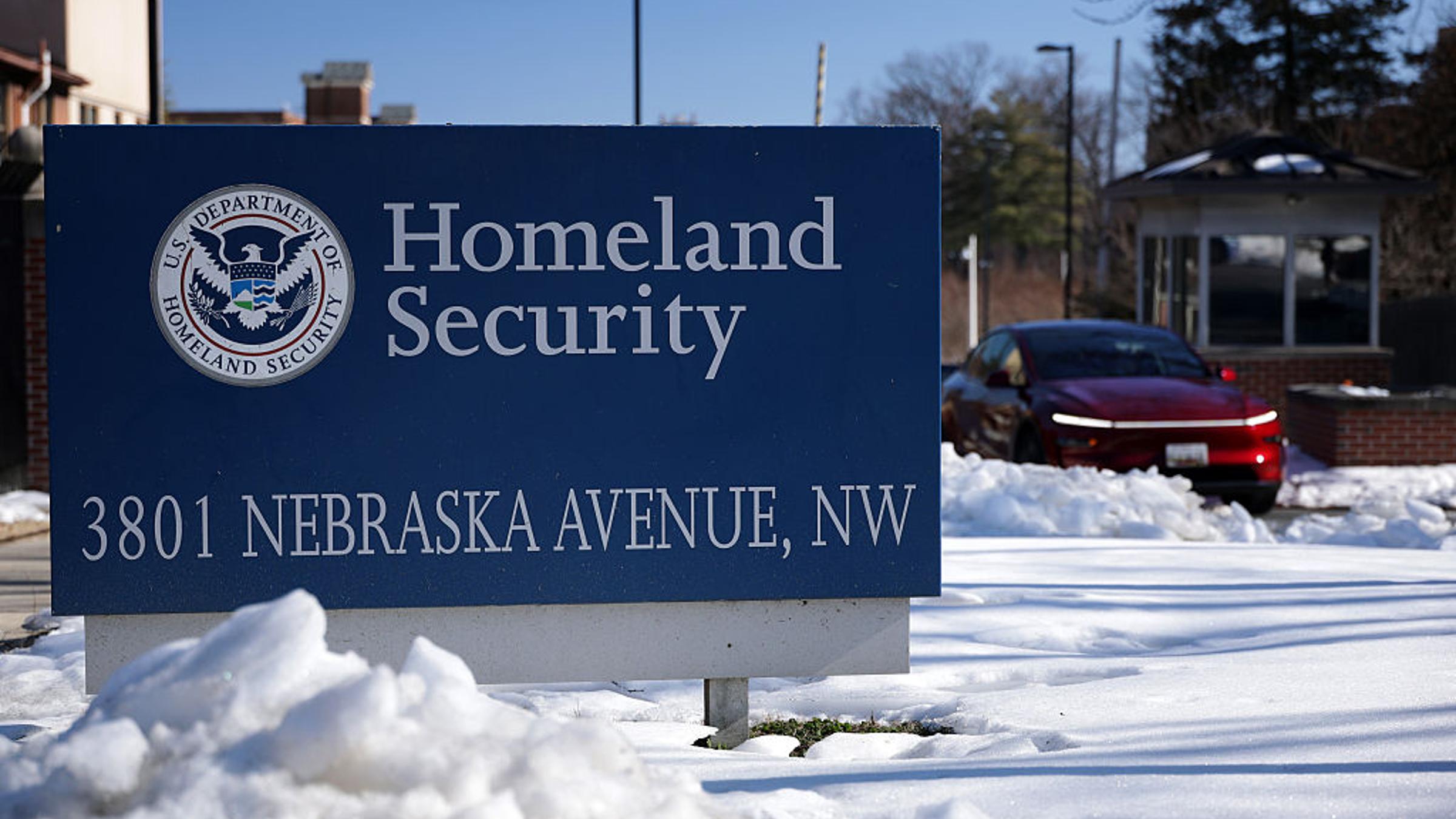
A 42-day shutdown of the Department of Homeland Security may end after the Republican-led Senate voted to fund most DHS agencies while excluding ICE and part of CBP; the measure now heads to the House for a possible vote as early as Friday. ICE/CBP could still benefit from portions of a nearly $140 billion windfall from last year’s tax-and-spending megabill, and President Trump’s unilateral order to pay TSA agents complicates timing of pay (including back pay) and undermined GOP negotiating leverage, leaving airport normalization timing unclear.
Normalization of airport staffing risk should mechanically restore schedule integrity and ancillary spend within 2–4 weeks, tightening unit revenue volatility for major carriers. Expect a 2–4 percentage-point improvement in load factor realization (RASM) vs. the disruption baseline as fewer cancellations reduce rebooking costs and ancillary refund liabilities; that flow-through is highest for network carriers with dense hub operations and low-cost carriers with high frequency on core domestic routes.
Uncertainty around immigration enforcement funding creates a binary policy option that markets typically price as higher implied volatility rather than a steady drift. Private detention and certain homeland-contracting names exhibit asymmetric outcomes: a reconciliation-driven boost could push revenues materially higher within 3–9 months, while progressive contractual reform or reputational backlash could compress margins and force contract repricing — a swing easily in the 30–50% range for exposed small caps.
Macro second-order effects span labor-cost and input-price channels over the 6–18 month horizon. Tighter enforcement expectations raise effective labor scarcity in seasonal agriculture/construction, potentially increasing wages by 2–6% and pressuring gross margins for regional food processors and labor-intensive homebuilders; conversely, a political détente limits these cost pass-throughs and favors leisure & hospitality margin recovery.
Key near-term catalysts to watch are the House vote timing (days), any unilateral executive pay orders (hours–days) and reconciliation pathway shifts (weeks–months). These will determine whether market moves are transient operational relief or the opening salvo of a prolonged policy regime change that requires reweighting sector exposures.
AI-powered research, real-time alerts, and portfolio analytics for institutional investors.
Request DemoOverall Sentiment
neutral
Sentiment Score
0.00
