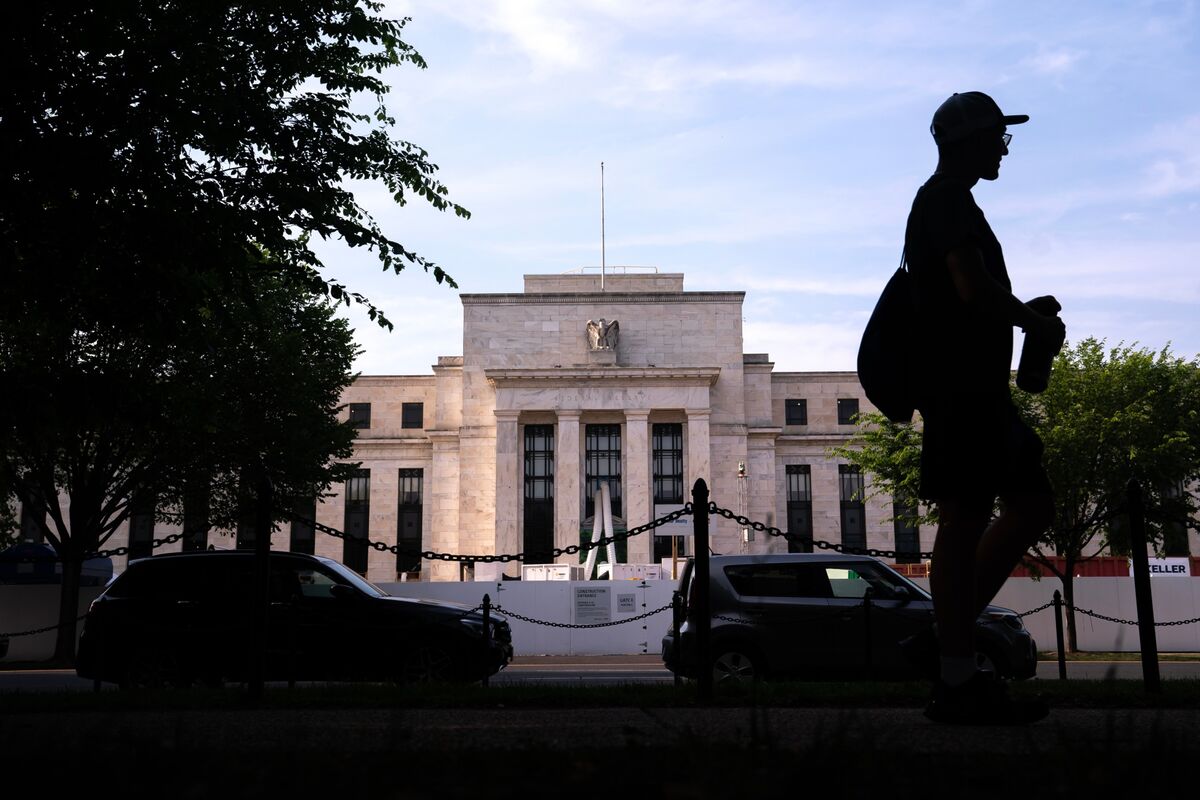
The Federal Reserve has proposed easing the enhanced supplementary leverage ratio (eSLR) for the largest U.S. banks, including JPMorgan and Goldman Sachs, following a 5-2 board vote. This revision would reduce capital requirements for bank holding companies from 5% to 3.5-4.5% and for their banking subsidiaries from 6% to the same range. The move, intended to address banks' claims that the current rule restricts their ability to hold Treasuries and act as market intermediaries, could enhance liquidity and capacity within the $29 trillion Treasury market.
The Federal Reserve has proposed a significant easing of a key capital rule, the enhanced supplementary leverage ratio (eSLR), for the largest U.S. banks, including Bank of America, JPMorgan Chase, and Goldman Sachs. Following a 5-2 board vote, the proposal aims to reduce the capital requirement for bank holding companies from 5% to a range of 3.5% to 4.5%, and for their banking subsidiaries from 6% to the same range. This regulatory relaxation is a direct response to claims from these financial institutions that the current rule restricts their balance sheet capacity, thereby limiting their ability to hold U.S. Treasuries and act as intermediaries. The intended consequence of this change is to improve liquidity and market-making capabilities within the $29 trillion Treasury market, which could enhance overall financial stability.
AI-powered research, real-time alerts, and portfolio analytics for institutional investors.
Request DemoOverall Sentiment
moderately positive
Sentiment Score
0.60
Ticker Sentiment
