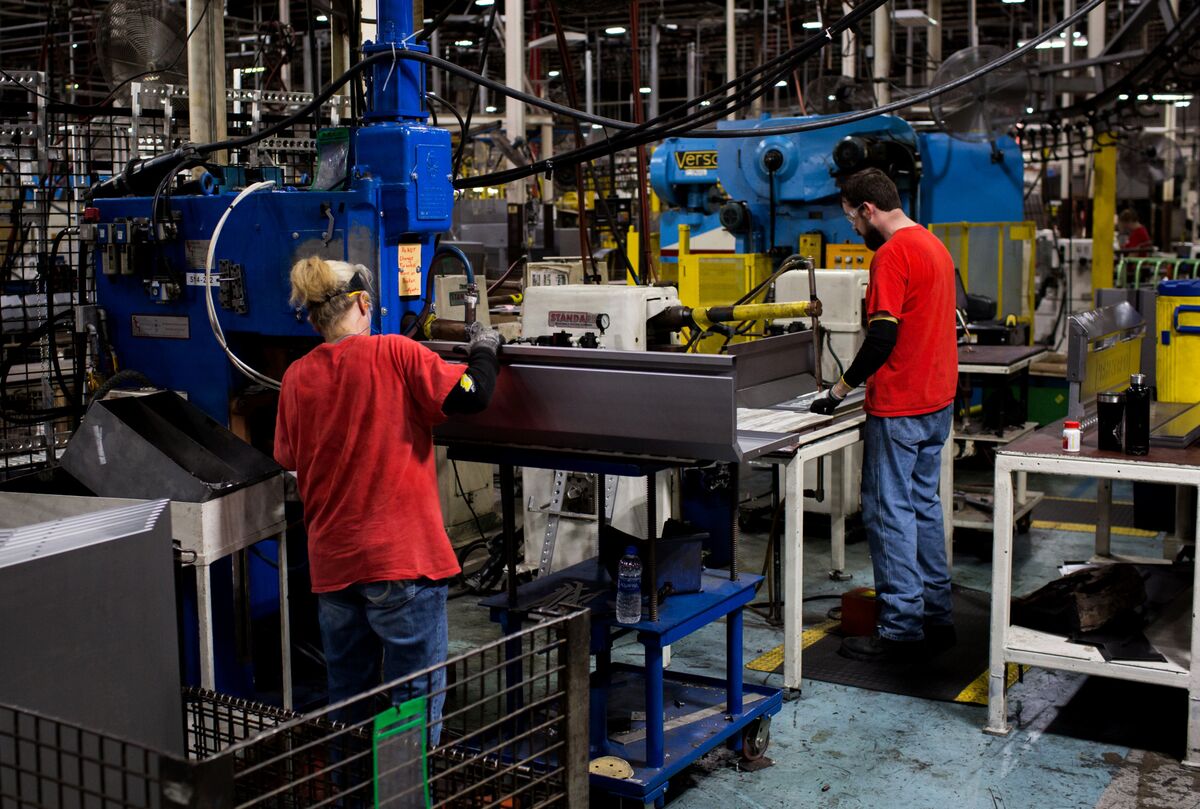
US manufacturing expanded at its fastest pace since May 2022, with the S&P Global flash August factory Purchasing Managers Index (PMI) rising 3.5 points to 53.3, indicating robust growth driven by stronger demand. This acceleration, however, is also fueling sustained inflationary pressures, suggesting potential implications for the Federal Reserve's monetary policy outlook.
The U.S. manufacturing sector is exhibiting its most robust expansion in over three years, as indicated by the S&P Global flash August factory Purchasing Managers Index (PMI) which surged 3.5 points to 53.3, its highest level since May 2022. This significant uptick, moving further into expansionary territory (above 50), is primarily driven by a strengthening of underlying demand. However, a critical consequence of this accelerated activity is the fueling of sustained inflationary pressures. This dual-sided data presents a complex picture for monetary policy, suggesting an economy resilient enough to support continued growth but also one where inflation remains a persistent challenge. For the Federal Reserve, this combination of strong growth and inflation could reinforce a hawkish stance, potentially delaying any considerations for monetary easing and heightening the focus on upcoming inflation reports.
AI-powered research, real-time alerts, and portfolio analytics for institutional investors.
Request DemoOverall Sentiment
moderately positive
Sentiment Score
0.50
Ticker Sentiment
