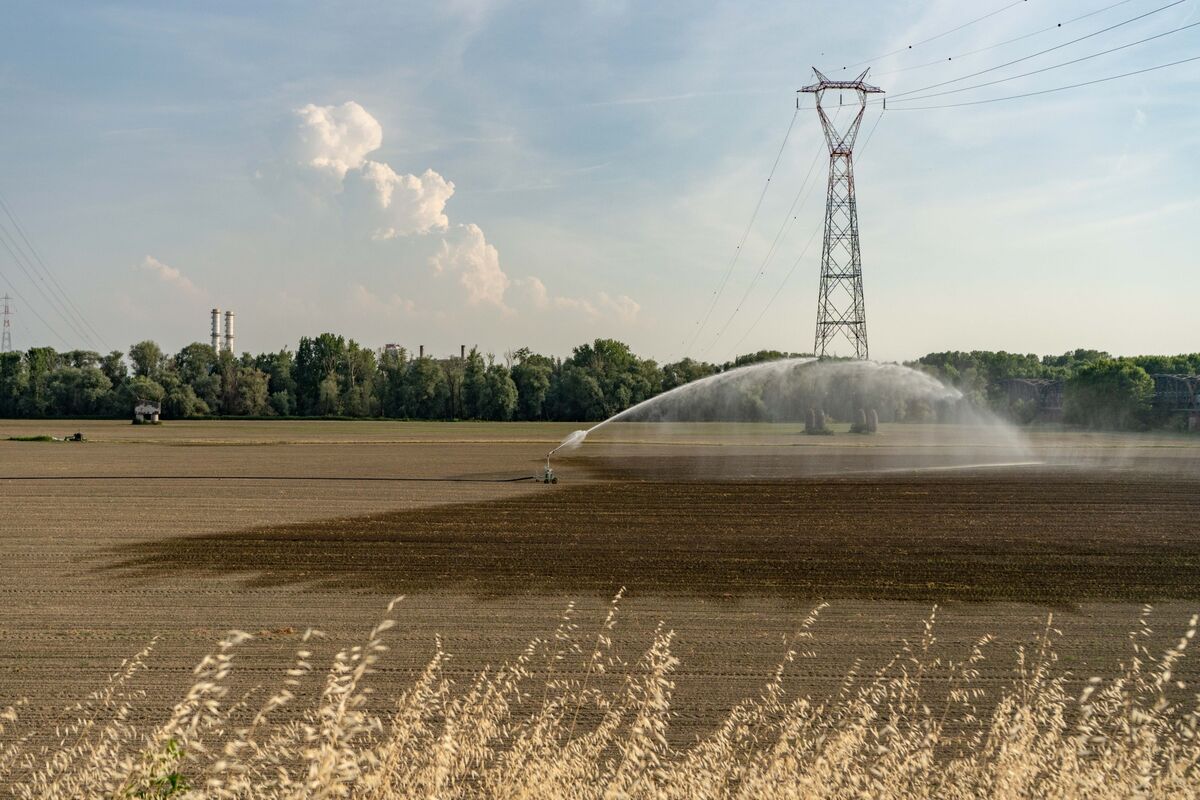
The ECB has identified water scarcity as the primary nature-related risk to the Eurozone economy, with surface water shortages alone threatening 15% of the area's economic output. ECB Executive Board member Frank Elderson highlighted agriculture as the most vulnerable sector due to potential output losses from declining surface water, while also noting risks from water pollution and flooding.
The European Central Bank (ECB), in conjunction with researchers from the University of Oxford, has identified water-related challenges as the preeminent nature-derived risk to the euro area economy. According to ECB Executive Board member Frank Elderson, surface water scarcity presents a significant threat, potentially impacting nearly 15% of the region's economic output. The agricultural sector is highlighted as the most vulnerable, facing substantial proportional output losses due to declining surface water availability. Furthermore, the ECB has underscored the economic risks associated with water pollution and flooding, indicating a broad spectrum of water-related threats. This assessment brings to the forefront the increasing materiality of environmental factors in macroeconomic stability and financial risk considerations within the Eurozone, signaling heightened attention towards these issues from a central banking perspective.
AI-powered research, real-time alerts, and portfolio analytics for institutional investors.
Request DemoOverall Sentiment
strongly negative
Sentiment Score
-0.65
