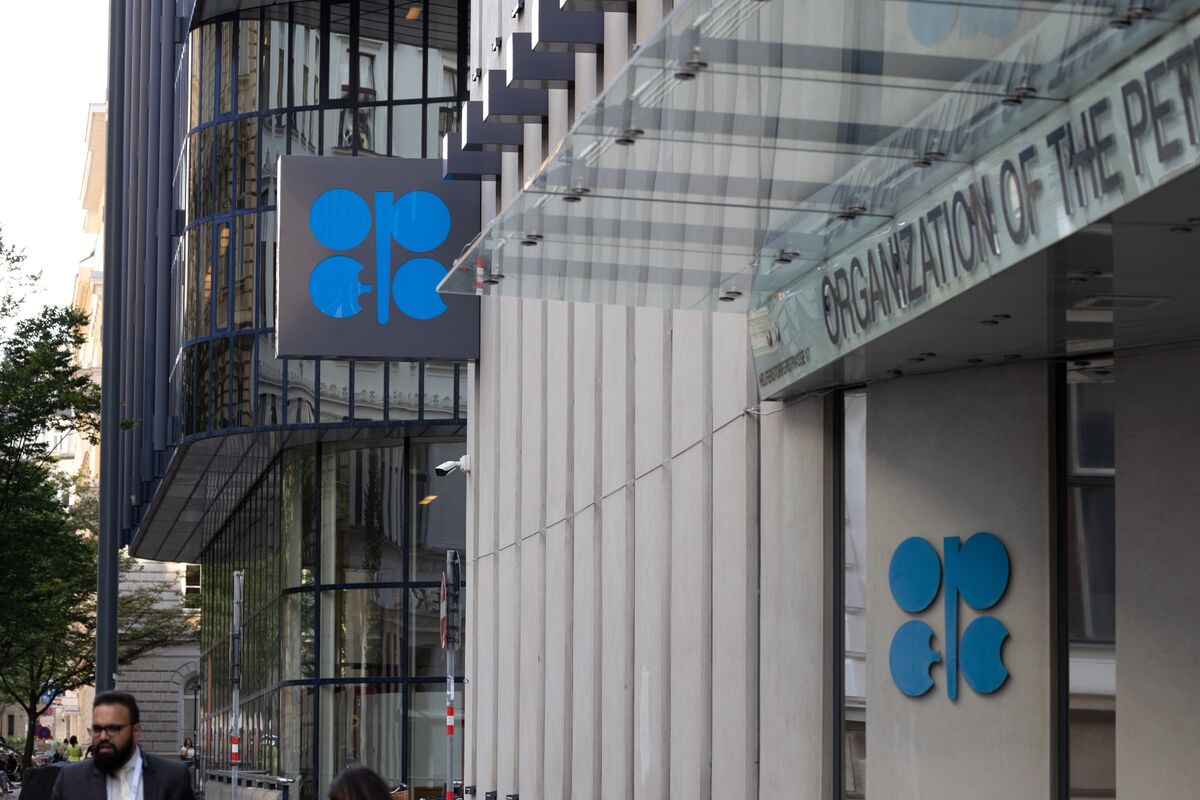
OPEC has controversially excluded five leading news organizations—Bloomberg News, The New York Times, The Financial Times, The Wall Street Journal, and Reuters—from covering its biennial oil seminar in Vienna, an event attended by the group's ministers and senior industry executives. This unaddressed ban, which widens a previous restriction, signals a concerning lack of transparency from the cartel and could impact the direct flow of information from a key gathering for oil market insights.
The Organization of the Petroleum Exporting Countries (OPEC) has deliberately escalated its control over information flow by excluding five of the world's most influential financial news organizations—Bloomberg News, Reuters, the Wall Street Journal, the Financial Times, and the New York Times—from its upcoming Vienna seminar. This move, an expansion of a previous ban and offered without explanation, significantly curtails transparency from a group whose decisions are critical to global energy markets. The absence of these specific outlets, which are primary sources of real-time data and nuanced reporting for institutional investors, creates an information vacuum. While other media are present, the exclusion of these particular organizations, reflected in the moderately negative sentiment score (-0.35), heightens the risk of incomplete or delayed reporting on key policy discussions, ministerial comments, and industry sentiment, thereby increasing uncertainty for market participants who rely on their rigorous coverage.
AI-powered research, real-time alerts, and portfolio analytics for institutional investors.
Request DemoOverall Sentiment
moderately negative
Sentiment Score
-0.35
Ticker Sentiment
