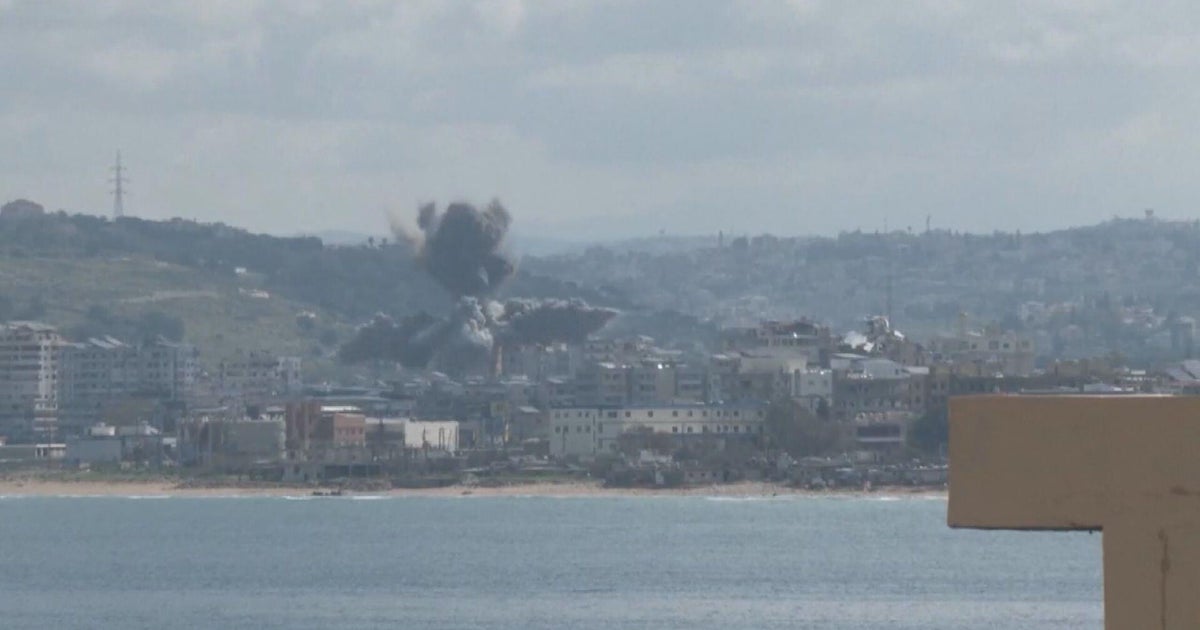
250+ people were reported killed in Lebanon after Israeli airstrikes less than 24 hours following a U.S.-Iran two-week ceasefire announcement, raising a high risk of ceasefire collapse and regional escalation. Iranian media reported Tehran suspended tanker traffic through the Strait of Hormuz (which the White House disputes and says saw an uptick in traffic); any sustained disruption at the Strait would tighten oil supply and could materially move energy markets. Round-one peace talks are scheduled in Pakistan Saturday with a U.S. delegation led by VP JD Vance; monitor Strait shipping, crude price moves and regional military activity for near-term volatility, while gasoline prices may still only move by a few cents/gal in initial reactions.
A short-lived or partial disruption to Persian Gulf maritime traffic propagates through three liquid market channels in days to weeks: war-risk insurance and charter rates, spot crude volatility, and refined-product arbitrage. If seaborne throughput through the Gulf is reduced meaningfully for more than 7–14 days, expect voyage lengths to rise (rerouting around Africa adds ~7–12 days) and VLCC/time-charter rates to spike, mechanically pulling incremental freight revenue toward owners with spot-exposed fleets while compressing refiners' input flexibility.
Second-order winners and losers diverge from the headline energy names. Tanker owners with modern, spot-linked fleets (low fixed TC exposure) capture most of the early upside; by contrast, airlines and container carriers face immediate margin pressure from higher bunker cost and route disruption, and marine insurers/reinsurers will reprice war-risk premiums—tightening financing for smaller shipping firms and raising working capital stress in the next 30–90 days. Refining cracks (Brent vs local markers) and storage economics will decide whether the crude price move sticks beyond an initial volatility spike.
Key catalysts that will reverse the move are diplomatic de-escalation, visible reopening of chokepoints, or a rapid inventory release from strategic reserves; these act within days to weeks. Tail risk remains asymmetric: a protracted multi-month closure could lift crude $15–30/bbl and produce persistent supply-chain inflation, whereas false alarms typically produce sharp mean reversion in 2–6 trading sessions. Position sizing should assume high realized volatility and plan exits around defined operational readouts (insurance notices, charter-rate indices, and inventory reports).
AI-powered research, real-time alerts, and portfolio analytics for institutional investors.
Request DemoOverall Sentiment
strongly negative
Sentiment Score
-0.60
