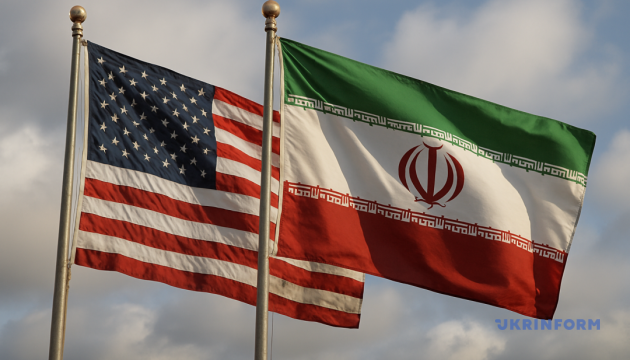
Bruno Tertrais of the Fondation pour la Recherche Stratégique assesses the probability of direct U.S. military intervention in Iran as very low, citing technical risks, limited immediate U.S. interests, and the historical failure of Operation Eagle Claw. He warns, however, that ongoing protests triggered by a record-low Iranian currency (beginning Dec. 28) and potential U.S. non‑kinetic support (e.g., communications assistance such as Starlink) keep the regime's future and FX stability as material tail risks for investors despite a reduced near-term strike likelihood.
Market structure: Geopolitical stress centered on Iran asymmetrically benefits defense primes (LMT, RTX), energy exporters (XOM, CVX) and safe-haven assets (GLD, USTs) while hurting Iran-exposed EM assets, regional shipping/airlines and local currency proxies. A credible disruption risk in the Strait of Hormuz (roughly 15–20% of seaborne oil flows) would tighten crude spare capacity and give OPEC+ pricing power, pressuring refiners and airlines' margins by mid-single to double-digit percentiles over weeks.
Risk assessment: The article lowers probability of direct US boots-on-ground but confirms elevated tail risk under political escalation; assign a 5–15% low-probability/high-impact risk of kinetic strikes that could spike Brent +20–30% in days. Short-term (days–weeks) catalysts are protest escalation, targeted strikes, insurance-rate moves; medium-term (3–6 months) outcomes include sanctions-led trade realignments and defense budget re-pricing; hidden dependencies include insurance premiums, rerouting costs and Chinese/Russian diplomatic responses.
Trade implications: Position for asymmetric payoffs—short-duration longs in defense and energy via call spreads, tactical GLD exposure as volatility hedge, and selective EM risk shorts (EMB) to capture spread widening; use triggers (Brent +5%/72h or DXY +1%) to scale. Pair trades (long defense vs short travel/leisure JETS) and options (3-month call spreads on XOM/XLE, 10–20% OTM) manage capital and limit downside while leaving optionality for regime shock.
Contrarian angles: Consensus understates prolonged domestic instability risk that could depress Iranian oil exports without direct US invasion, favoring sustained energy premia for months rather than a transient spike. Conversely, immediate market fear may be overdone for equities—oil shocks often reverse once shipping reroutes or SPR releases occur; consider mean-reversion exits at +20% realized move or policy relief signals (US sanctions/facility announcements).
AI-powered research, real-time alerts, and portfolio analytics for institutional investors.
Request DemoOverall Sentiment
neutral
Sentiment Score
-0.10
