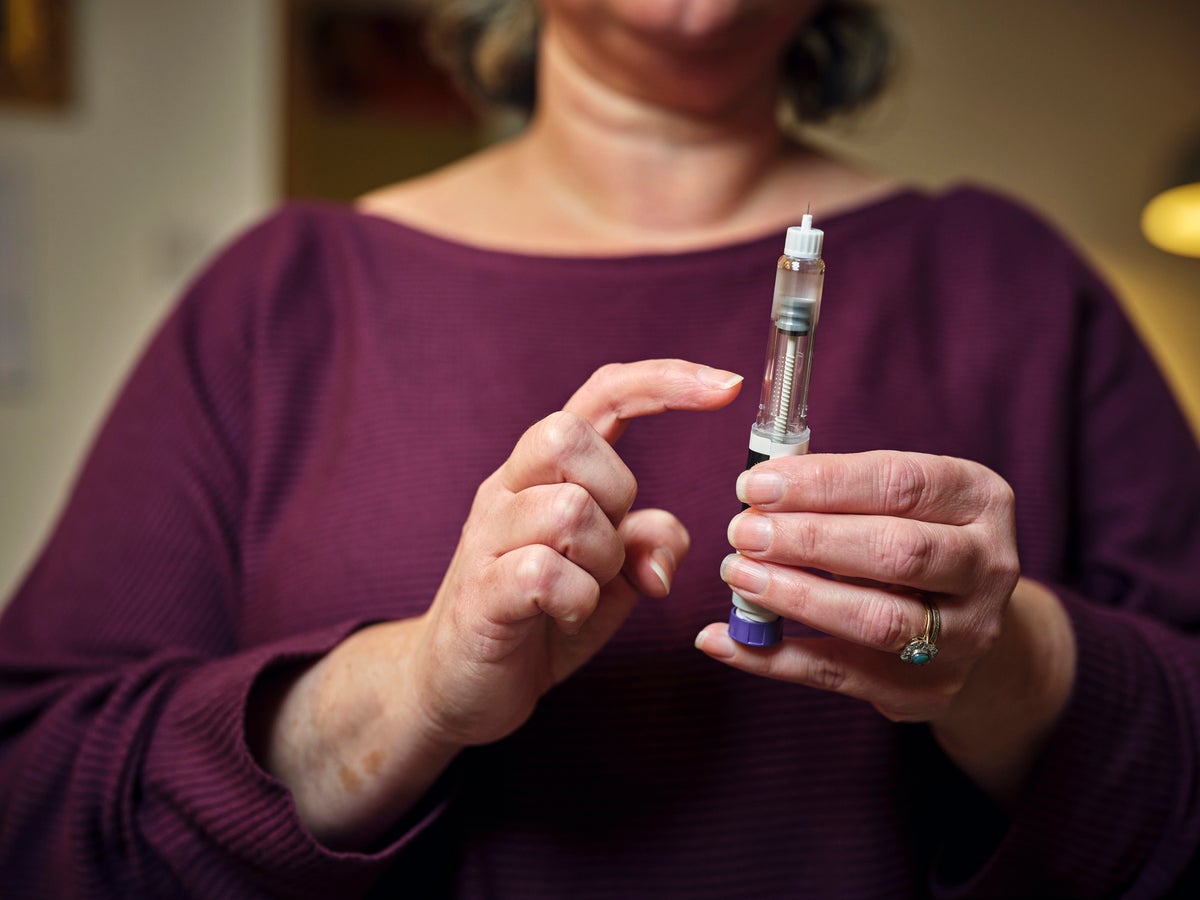
Two randomized clinical trials suggest potential ways to reduce weight regain after dieting or GLP-1 use: a daily oral GLP-1 drug, orforglipron, and an Akkermansia muciniphila supplement. In the orforglipron study of more than 370 people, participants preserved about 79% of prior semaglutide weight loss and 75% of prior tirzepatide weight loss versus 38% and 49% on placebo, respectively. The bacterial supplement study in 84 adults showed a modest benefit, with roughly 3 kg more total weight loss versus placebo after about six months.
The investment implication is not that obesity demand grows further, but that the market is moving from a single-modality franchise to a maintenance ecosystem. If oral GLP-1s can preserve most of the prior weight loss, the second-order winner is whoever controls the post-injection “step-down” pathway: better adherence, lower injection friction, and a cheaper maintenance price point can materially expand total treated duration even if initial efficacy is lower than injectables. That is structurally supportive for the GLP-1 class, but it also increases internal competition across the obesity stack as patients cycle from premium injectables to lower-priced oral maintenance. The microbiome angle is more interesting as a venture-stage proof point than as an immediate commercial threat. A modest effect size in a small maintenance study does not justify a broad consumer adoption trade on its own, but it does validate a fast-follow narrative around gut-health adjuncts, prescription-plus-supplement combos, and eventually biomarker-driven stratification. That could pressure brands relying on “metabolic wellness” positioning while creating optionality for companies with distribution in diagnostics, probiotics, or digital obesity management. The bigger risk is not efficacy, it is persistence economics: if maintenance options are effective enough, real-world discontinuation rates may fall, which extends lifetime value per patient but also delays churn that currently inflates short-term refill volatility. The near-term catalyst window is 3-12 months: label expansion, payer reaction, and physician switching behavior matter far more than the trial headlines. A negative surprise would be post-switch tolerability or reimbursement pushback that forces patients back to injectables or off therapy entirely, which would cap the maintenance market’s upside. Consensus is likely underestimating how much this reinforces the obesity category rather than fragments it. The most likely path is not a winner-take-all oral replacement, but a laddered regimen: injectable induction, oral maintenance, and adjunct microbiome products for residual regain. That favors diversified platforms with manufacturing, payer access, and multiple dosage forms over single-asset stories.
AI-powered research, real-time alerts, and portfolio analytics for institutional investors.
Request DemoOverall Sentiment
mildly positive
Sentiment Score
0.15
