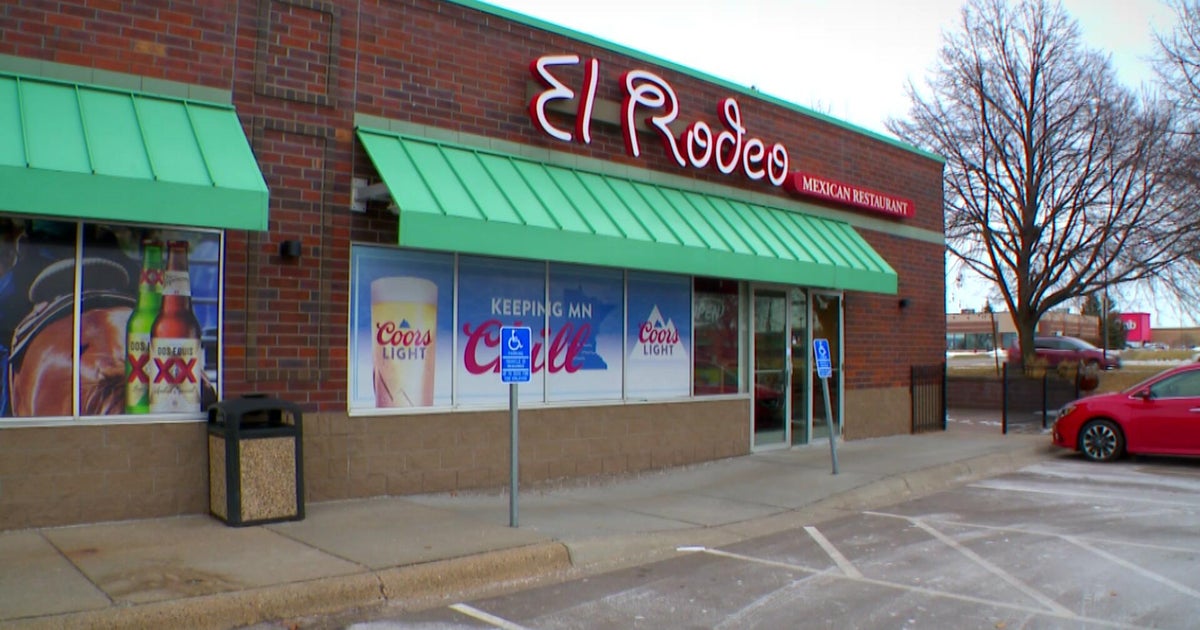
A recent U.S. Immigration and Customs Enforcement presence at El Rodeo, a Mexican restaurant in Maple Grove, prompted staff fear and temporary closure despite supporters saying no arrests were made; staffing shortages forced the shutdown. Community response has been rapid — 75 volunteers signed up within 90 minutes to fill shifts and a GoFundMe raised $6,000 in three hours to aid employees — underscoring both the immediate revenue and labor risks small hospitality businesses face from local immigration enforcement and the role of grassroots support in mitigating short-term disruption.
Market structure: Localized immigration enforcement is a negative shock to labor supply for small, independent restaurants (margin hit 3–8% potential in affected locations over 1–3 months) while increasing relative pricing power and resilience of large, multi-unit operators that can reprice or redeploy labor (beneficiaries include MCD, DRI, YUM). Staffing/temp agencies and labor-saving automation vendors gain incremental demand as restaurants seek fill-in labor or capex to replace vulnerable headcount. Credit for small business and single-unit restaurant loans should see spread widening; negligible FX/commodity moves but modest pressure on high-yield credit for restaurant issuers.
Risk assessment: Tail risks include an escalation to statewide/national enforcement that creates sustained 5–10% regional labor shortages and consumer boycotts, or countervailing policy relief that rapidly restores labor — low probability but high impact. Immediate effects (days) are closures and revenue shocks; weeks–months see wage inflation and temporary margin compression; quarters–years could accelerate automation adoption and franchise consolidation. Hidden dependencies: reliance on undocumented labor in back-of-house, local political responses, and insurance/legal cost spikes can compound losses.
Trade implications: Favor modest re-allocation from small-cap/independent restaurant exposure into large-cap, diversified operators and staffing firms: consider 1–2% portfolio long positions in MCD and DRI and 0.5–1% in MAN and RHI; implement cost-controlled upside with 3–6 month call spreads 3–5% OTM sized 0.5% each. Reduce small-cap restaurant exposure by 2–4% and hedge with put protection if regional ICE activity >3 incidents in 30 days. Avoid concentrated shorts; use pairs (long DRI, short a regionally concentrated peer if valuation gap >15%).
Contrarian angles: Market underestimates community resiliency — rapid crowdfunding and volunteer shifts can restore small-restaurant revenues within 2–6 weeks, so permanent impairment is not inevitable; this argues against indiscriminate permanent write-downs unless revenue loss >15% persisting >6 months. Conversely, consensus may underprice medium-term wage pass-through (2–6% menu inflation) and automation demand; look for mispricings where small operators trade as if recovery impossible while large chains price in sticky labor inflation.
AI-powered research, real-time alerts, and portfolio analytics for institutional investors.
Request DemoOverall Sentiment
moderately negative
Sentiment Score
-0.30
