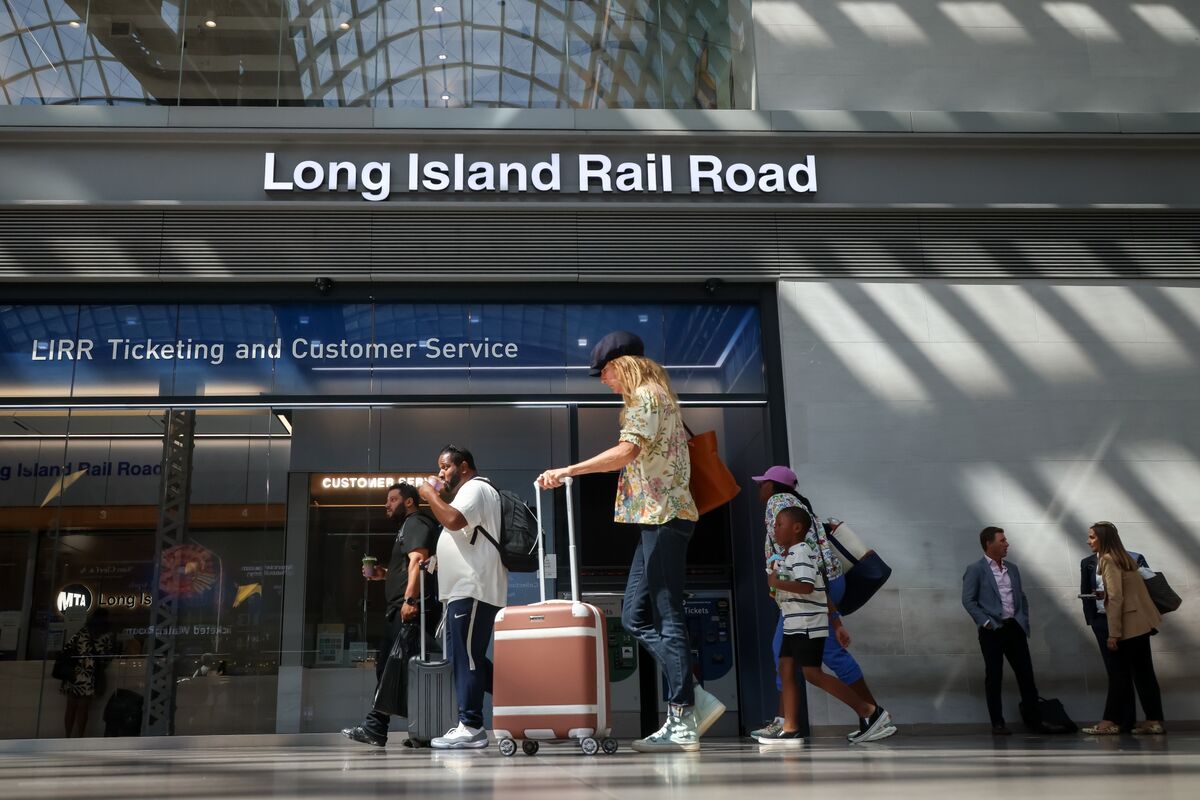
President Trump intervened to avert a potential strike on the Long Island Rail Road (LIRR) by establishing a Presidential Emergency Board (PEB) via executive order. This PEB will mediate negotiations between the LIRR and a coalition of five unions, thereby preventing a threatened Sept. 18 strike that would have disrupted commutes for approximately 3 million people reliant on the rail line for access to New York City.
Presidential intervention has averted a near-term strike on the Long Island Rail Road (LIRR), the nation's largest commuter rail system. The establishment of a Presidential Emergency Board via executive order removes the immediate threat of a work stoppage planned for as soon as September 18, which would have disrupted the commutes of approximately 3 million people and negatively impacted the New York City regional economy. This action, taken at the request of the labor unions, shifts the dispute into a formal mediation process, de-escalating a significant operational risk for critical transportation infrastructure. While no publicly traded entities are directly named, the event underscores the federal government's role in mitigating major economic disruptions stemming from labor disputes in key sectors. The market impact is therefore regional and macroeconomic rather than focused on a specific security.
AI-powered research, real-time alerts, and portfolio analytics for institutional investors.
Request DemoOverall Sentiment
moderately positive
Sentiment Score
0.50
