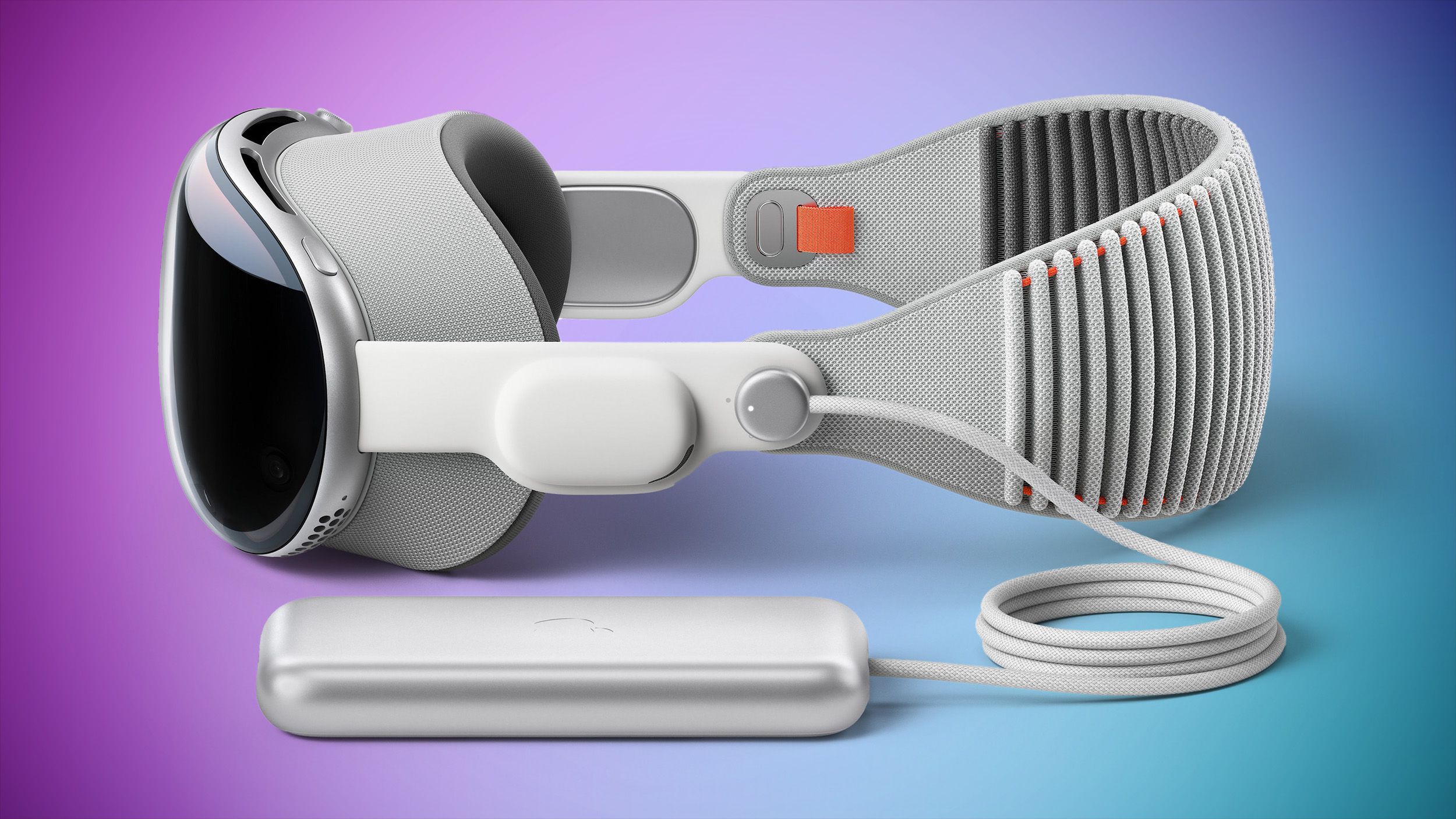
Apple sold fewer than 500,000 Vision Pro units in 2024, well below the ~10M first-year Apple Watch and >200M annual iPhone sales. A new book attributes the weak launch largely to decade-long retail staffing cuts, reduced training and a shift to metric-driven retail management that left employees unable to reliably execute the technically complex demos for the $3,500–$4,000 headset. Training was often minimal (some staff had ~20 minutes of demo prep), scripts were later read or abandoned, and many employees couldn’t afford the device despite a 25% staff discount, limiting familiarity. The account blames management strategy changes since Tim Cook — growth in contractors and briefer training — as a central contributor to the product’s underperformance.
Retail-capability at the point of sale is a multiplier on high-ticket, experiential hardware adoption; erosion of that multiplier compresses the conversion funnel and pushes more of the adoption curve onto paid marketing and enterprise channels. Expect the sales shortfall from an undertrained demo network to show up as lower accessory/AppleCare attachment and slower downstream app purchases over the next 2–4 fiscal quarters, not just in headline unit sales.
Competitors and channel partners that invest in demonstration capacity — enterprise sales teams, dedicated demo centers, or big-box retailers with trained staff — will seize share in the spatial-computing category, accelerating a bifurcation between vendor-led and partner-led distribution. At the supplier level, this creates timing risk: OEMs and component suppliers face volatile order cadence (pull-forward/cutback) that could depress near-term revenues while leaving long-tail reorders if a product is re-positioned.
Near-term catalysts that can reverse the trend are tangible and managerial: renewed store investment (hiring/training), targeted price or bundle promotions, and enterprise/medical OEM partnerships that routinize demos with specialists — each can flip consumer sentiment within 1–3 quarters. Tail risks include a broader discretionary-spend slowdown that compounds demo weak links into lasting adoption gaps, or management choosing cost containment over re-investment, which would lengthen the recovery to multiple years.
The market narrative will likely overshoot: a weak launch does not equal permanent ecosystem failure. Apple’s installed base and platform economics blunt downside to cash flow, so the highest-probability profitable trades are asymmetric hedges against a near-term discovery of weaker-than-expected demand rather than outright multi-year structural shorts.
AI-powered research, real-time alerts, and portfolio analytics for institutional investors.
Request DemoOverall Sentiment
moderately negative
Sentiment Score
-0.45
Ticker Sentiment
