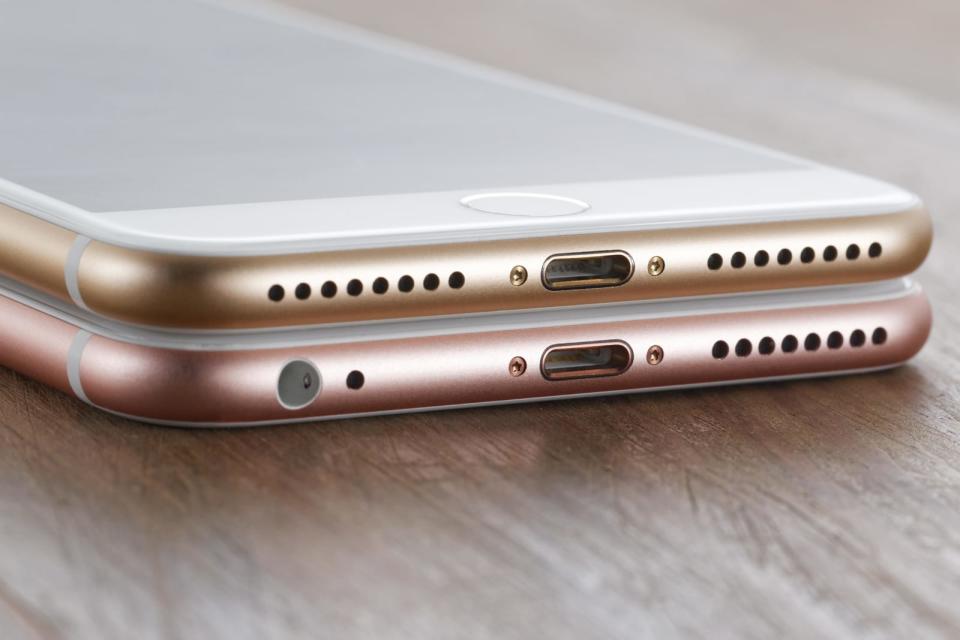
50 years: Apple repeatedly catalyzed industry shifts — reimagining personal computers, creating the smartphone era, spawning tablets and wearables — while removing legacy technologies (floppy drive 1998, internal optical drives 2008/2012, blocking Flash leading to its 2020 end, headphone jack removed 2016). Notable datapoints: the iPod drove ~40% of Apple revenue by 2006 before the iPhone (launched June 2007) cannibalized it; classic iPod discontinued 2014, nano/shuffle in 2017, and iPod Touch in May 2022. Implication for portfolios: these are strategic, long-term product/industry shifts that reshape accessory and peripheral demand (dongles, USB-C, wireless earbuds) but constitute low-probability, low-immediacy triggers for near-term stock moves.
Apple’s pattern of “murdering darlings” is a repeatable commercial lever: forcing transitions creates short-term churn but seeds high-margin aftermarket and services capture (accessories, subscriptions, app store monetization) within 6–24 months of a hardware change. Each major removal (jack, optical, bespoke ports) has produced a wave of new component demand (Bluetooth SoCs, battery capacity, RF front-ends) and then eventual margin compression as that supply base matures and competitors commoditize.
Second-order winners are suppliers of the new enabling hardware and incumbents who can own the transition UX (Apple’s own AirPods/AirPower-like ecosystems, premium partners like Sony). Losers are niche legacy-feature specialists and OEMs that double-down on old paradigms; this dynamic pressures smaller players’ cashflows within a single product cycle (3–12 months) and forces consolidation across accessories and peripheral makers over 1–3 years.
Tail risks that could reverse the trend include regulatory interventions on walled-garden practices, a meaningful consumer backlash that resurrects demand for legacy features in a meaningful cohort (e.g., pro photographers demanding SD/HDMI continuity), or a technical failure in a forced transition (wireless audio reliability or USB-C fragmentation) that dents upgrade cycles for a quarter. The consensus underprices Apple’s ability to monetize transitions through recurring revenue streams, but it also understates the long-term competitive opening created for premium rivals who keep legacy features and capture focused niches.
AI-powered research, real-time alerts, and portfolio analytics for institutional investors.
Request DemoOverall Sentiment
mildly positive
Sentiment Score
0.25
Ticker Sentiment
