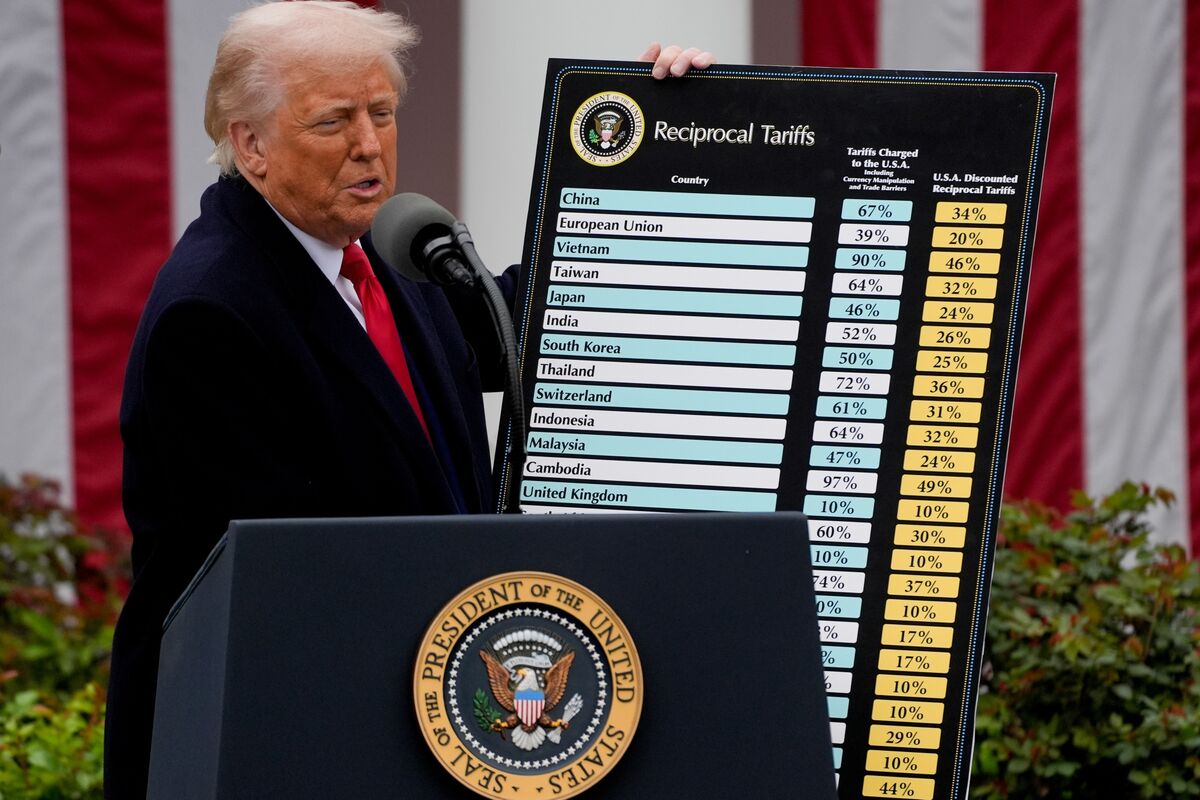
The U.S. Court of International Trade unanimously blocked the majority of President Trump's tariffs on May 28th, ruling that he improperly used an emergency law to impose them. This decision represents a significant setback to Trump's trade policy agenda, as courts generally defer to the president on trade issues.
The U.S. Court of International Trade's unanimous decision on May 28th to block the vast majority of President Donald Trump's tariffs represents a significant legal setback to his administration's trade policy. The ruling, which concluded that Trump wrongfully invoked an emergency law to justify the levies, is a notable development as courts historically tend to defer to presidential authority on trade matters. This legal challenge introduces uncertainty into the existing tariff landscape, potentially impacting sectors reliant on international trade and those previously benefiting from protectionist measures. The "Mixed" sentiment and moderate market impact score (0.55) suggest that while the ruling is significant, its immediate financial implications are complex and could vary across industries, pending further legal or policy responses. The themes identified, including "Tax & Tariffs," "Trade Policy & Supply Chain," and "Legal & Litigation," underscore the multifaceted nature of this event and its potential to influence economic conditions and corporate strategies.
AI-powered research, real-time alerts, and portfolio analytics for institutional investors.
Request DemoOverall Sentiment
Mixed
Sentiment Score
0.00
