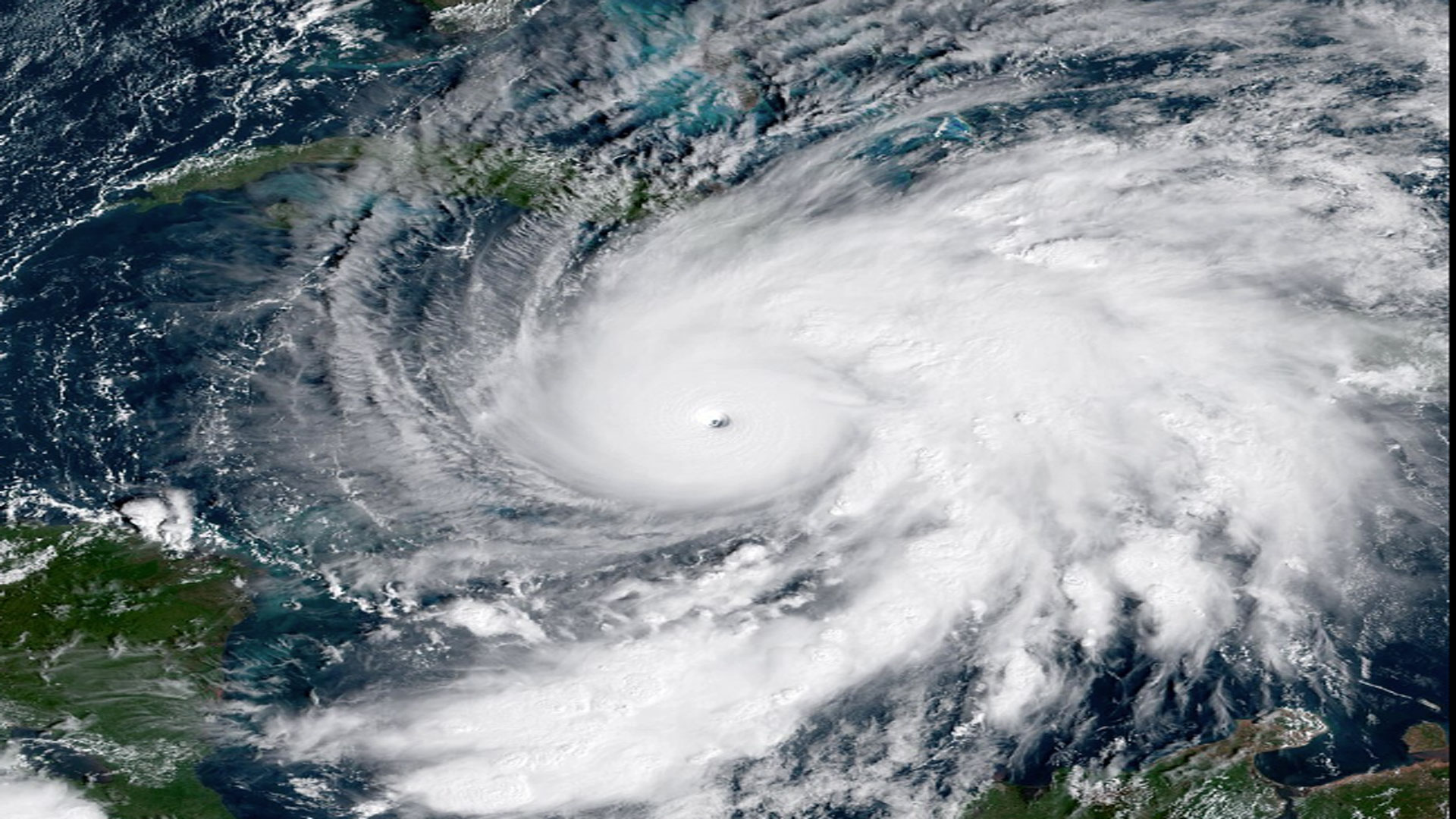
The 2025 Atlantic season produced multiple high‑impact storms culminating in Category 5 Hurricane Melissa, which struck near New Hope, Jamaica with peak winds of 185 mph and 892 mb, causing at least 102 deaths in Jamaica, ~730,000 people displaced, agricultural losses of ~29.5 billion JMD (US$190m) and total regional damages estimated at US$48–52 billion. Other notable events include Tropical Storm Barry (US$32.5m damages, 8 fatalities), Tropical Storm Chantal (≈US$500m damages), Hurricane Erin (peak 160 mph, 915 mb; at least 9 deaths), Gabrielle (US$11.7m damages), Humberto (peak 160 mph with minimal land impacts) and Imelda (≥5 deaths, >US$10m damages). The scale of losses implies sizable near‑term stresses on local fiscal positions, agricultural output and insurance/reinsurance losses, with potential knock‑on effects for commodity supply and regional tourism and infrastructure recovery spending.
Market structure: Winners are construction/materials and home-improvement chains (expect multi-quarter surge in demand for cement, aggregates, steel and retail DIY) — consider VMC, MLM, NUE, HD, LOW. Short-term losers include Caribbean tourism and regional sovereigns (Melissa = US$48–52bn; Jamaica GDP ~US$15–20bn implies acute FX and fiscal strain) and cruise/airline exposure (CCL, RCL, JBLU) with 30–60% near-term tourist revenue shocks in hardest-hit islands.
Risk assessment: Tail risks include Jamaican sovereign distress (CDS widening >500bp, FX JMD depreciation >15% within 3–6 months), a global reinsurance shock raising P&C loss ratios >300bp for 2026 renewals, and tighter import/energy bottlenecks that raise construction input costs 5–15% over 6–12 months. Near-term (days–weeks) cashflow and supply disruptions; medium-term (3–12 months) pricing/reinsurance repricing; long-term (1–3 years) structural insurance rate increases and migration/real-estate repricing.
Trade implications: Implement sector rotation — overweight building materials and DIY (initiate 2–3% long each in VMC and MLM, add 1% long calls 6–12 month strikes ~10–15% OTM) and reduce/short travel (establish 1–2% short positions in CCL and RCL or buy 3-month puts). Add 1–2% exposure to large reinsurers (e.g., SREN.SW, MUV2.DE) via 6–12 month calls to capture premium cycle recovery; avoid primary P&C insurers with direct Caribbean property exposure (ALL, PGR) until Q4 2025 results.
Contrarian angles: Consensus may overstate permanent tourism decline — reconstruction typically lifts regional imports and US building-material demand for 12–24 months; sovereign default is not inevitable given likely multilateral aid (IMF/UK/Canada). Risk of overpaying for reinsurance-equity exposure exists if losses are absorbed without material premium spike; use option structures to limit downside and target >25% upside over 6–12 months.
AI-powered research, real-time alerts, and portfolio analytics for institutional investors.
Request DemoOverall Sentiment
strongly negative
Sentiment Score
-0.75
