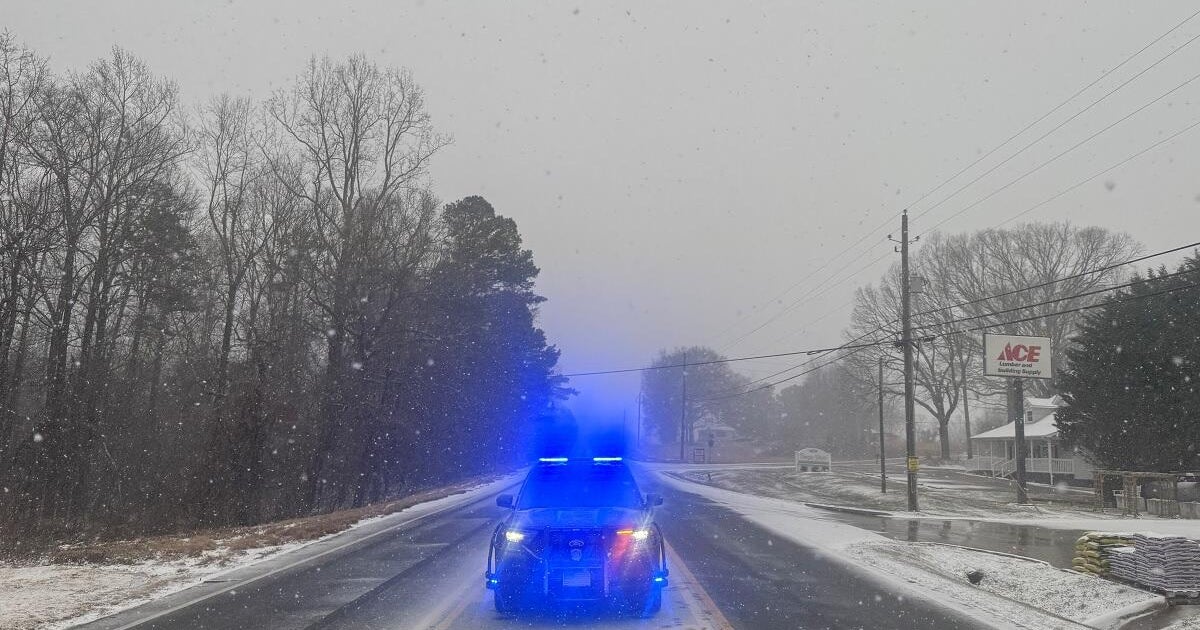
A winter storm is producing accumulating snow across north Georgia (4–6 inches possible) and metro Atlanta (1–3 inches) with gusts up to 40 mph and an Extreme Cold Warning in effect; Gov. Brian Kemp declared a statewide emergency through Feb. 6 and activated the State Operations Center. Georgia DOT is pre-treating and plans to plow roughly 20,000 lane-miles on 12-hour shifts while Hartsfield‑Jackson has seen about 350 flight cancellations in the last 24 hours, signaling localized but meaningful disruptions to transportation, airport operations and regional commerce.
Market structure: Short, concentrated operational shocks favor suppliers of de-icing and home-prep goods (e.g., Compass Minerals, CMP) and regional energy (heating fuels, NatGas), while disadvantaging passenger airlines (Delta DAL, UAL) and time-sensitive logistics (UPS, FDX) for days. The storm (1–6" snow, 40 mph winds, 350+ flight cancels) creates a near-term spike in demand for salt, retail storm goods, and short-haul trucking capacity; pricing power for de-icers and local HVAC/retail may rise 5–15% in the 1–4 week window.
Risk assessment: Tail risks include prolonged outages leading to disproportionate property claims (insurers TRV, ALL) and port/rail bottlenecks if freezing extends; a major power grid failure in GA would escalate losses from days to quarters. Immediate risks (0–7 days) are operational — cancellations, extra fuel/crew costs — while medium-term (1–12 weeks) risks are inventory gluts and insurance filings; hidden dependency: propane/road-salt logistics concentrated in a few regional distributors.
Trade implications: Favor short-dated, event-driven trades: long CMP and short-dated NatGas exposure (UNG or call spreads) for 1–12 weeks; short/hedge airlines via 7–14 day DAL put spreads to capture elevated IV and near-term ops risk. Size trades small (0.5–2% portfolio) with tight stops (5–8%) and clear exit on warm-weather revisions or IV compression >50%.
Contrarian angles: Market may overprice airline damage — major carriers quickly recover and have hedges; durable uplift to HD/LOW from repeat storm purchases is underappreciated. Volatility spikes post-storm often mean overpriced OTM puts — prefer defined-risk verticals. Historical storms (East Coast snow events) show most equity impacts mean-revert inside 4–8 weeks unless infrastructure failure occurs.
AI-powered research, real-time alerts, and portfolio analytics for institutional investors.
Request DemoOverall Sentiment
moderately negative
Sentiment Score
-0.30
