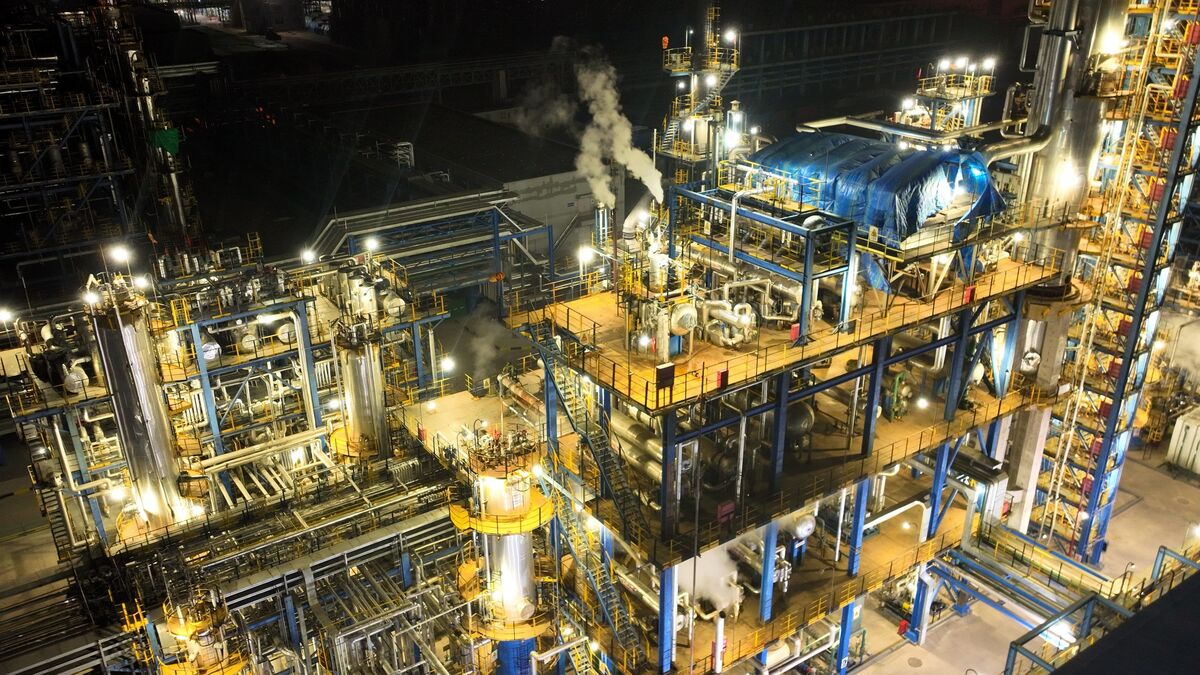
The NDRC told private refiners to maintain gasoline and diesel output at 2025 (year‑ago) volumes even if they must incur economic losses, prioritizing domestic fuel supply as a month‑long Middle East war disrupts global crude flows. The order supports short‑term fuel availability but will compress refining margins and profitability for private processors and could reallocate crude flows and regional price dynamics.
This is a demand-for-stability policy that trades profitability for supply continuity — expect Chinese independents to see margin compression almost immediately while crude import volumes supporting refinery runs rise. For a 200k b/d complex, each $1/bbl swing in refining margin implies roughly $6.5m/month of EBITDA swing; a sustained $2–4/bbl deterioration through winter would quickly turn many standalone players loss-making and force balance-sheet stress within 1–3 months.
Second-order market effects favor upstream sellers and logistics owners: greater crude offtake into China tightens seaborne crude availability (bullish for Brent vs WTI) and lifts VLCC/long-haul freight margins on a 4–12 week cadence. At the same time, stable domestic product availability reduces Chinese product exports, reallocating gasoline/diesel flows to Middle Eastern refiners and widening product spreads outside China over the next 1–6 months.
Policy and credit risk dominate the path. The most plausible reversals are direct government support (crude allocations, subsidies, or one-off SPR releases) which can restore refiner cashflow within weeks, or an escalation in Middle East supply disruptions that pushes crude prices so high state math changes. Bankruptcy/consolidation among smaller independents is a realistic 3–12 month outcome if margins remain compressed and credit access tightens.
The consensus underprices the speed of shipping and credit dislocations: freight rates and short-term credit spreads typically move before headline crude prices, offering front-run alpha. Conversely, short equity exposure to Chinese refiners carries concentrated policy risk — Beijing can step in; prefer trades that capture crude/tanker dislocations or use liquid option structures to define loss ahead of uncertain government interventions.
AI-powered research, real-time alerts, and portfolio analytics for institutional investors.
Request DemoOverall Sentiment
mildly negative
Sentiment Score
-0.25
