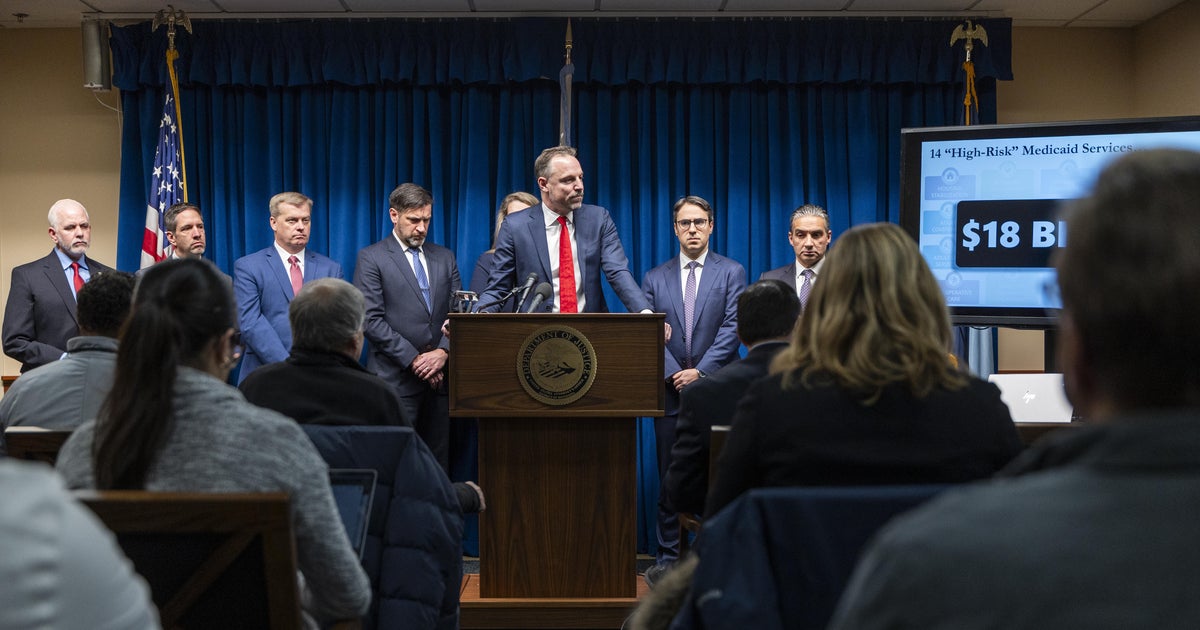
A wave of recent resignations has left the U.S. Attorney's Office in Minnesota severely depleted—reportedly as few as 17 assistant U.S. attorneys, down from about 70—forcing veteran prosecutors to hand off the lead on the $250 million Feeding Our Future fraud prosecution to newcomers. The broader investigation has produced 62 convictions and federal estimates of taxpayer losses exceeding $1 billion, while former officials suggest scrutiny of roughly $18 billion in state social-program spending since 2018; the staffing shortfall and operational tensions could slow prosecutions and complicate enforcement of large-scale COVID-era and housing-related fraud cases.
Market structure: The Minnesota mass-resignation and the scale of alleged fraud (~$1B+ total, ~$18B of at‑risk social spend with ~50% flagged by prosecutors) reallocates demand from payer-side program delivery to compliance, audits and IT transformation. Winners: forensic accounting/consulting and government IT vendors who can win multi-year contracts (outsized RFP flow over 6–24 months). Losers: small nonprofit providers, local vendors and any bank or servicer with concentrated MN recipiency that face clawbacks and revenue reversals.
Risk assessment: Tail risks include large clawbacks/repayments of several billion dollars (>$5–10B) that could impair MN state cashflows or force federal recoupments, and a DOJ staffing vacuum causing delayed enforcement or inconsistent outcomes. Immediate window (days–weeks) risks are reputational and muni-market volatility; short-term (1–6 months) expect contract freezes and audits; long-term (1–3 years) expect higher compliance costs reducing margins for government contractors by 200–500 bps.
Trade implications: Tilt long stocks that provide fraud analytics and government IT (FTI, TYL, MMS, PLTR) with event-driven sizing for 3–12 month contract wins; hedge via short regional bank exposure (KRE) and select MN-heavy names (USB underweight) to protect against localized credit shocks. Use options to buy downside insurance (1–3 month puts) around the April Feeding Our Future trial and any state audit release.
Contrarian angle: Market may underprice the procurement upside — states will accelerate outsourcing to proven vendors; early contract winners could re-rate 20–40% if awarded multi-year remediation work. Conversely, the market may be overstating systemic bank risk — contagion is likely localized to MN exposure; a concentrated hedge is more efficient than broad financial sector selling.
AI-powered research, real-time alerts, and portfolio analytics for institutional investors.
Request DemoOverall Sentiment
strongly negative
Sentiment Score
-0.65
