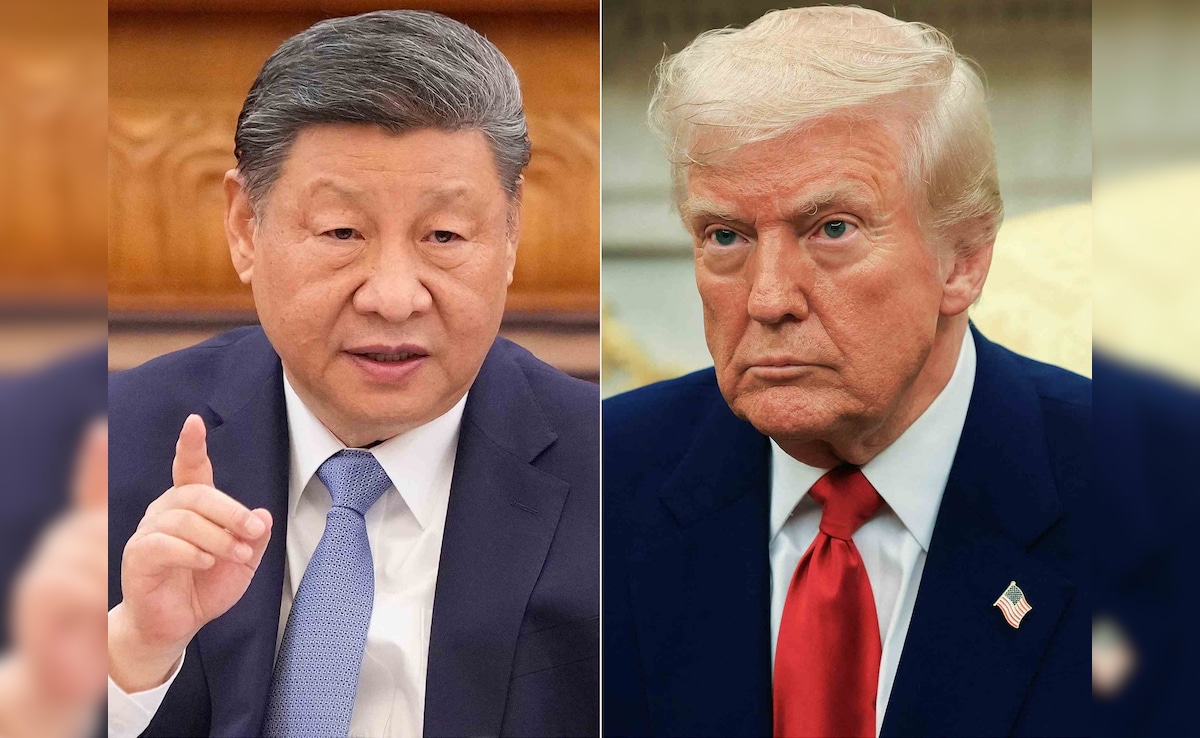
China has warned the United States to correct its "mistake" regarding tariffs and resolve trade issues through dialogue, stating it will respond appropriately if the US does not relent. This comes as President Trump threatens to impose a 155% tariff on Chinese imports starting November 1 if a trade deal is not reached, claiming China is already paying 55% tariffs. Beijing reiterated its openness to negotiation but its readiness to retaliate if pushed, signaling continued high-stakes trade tensions.
The US-China trade dispute has intensified, with China warning the US to rectify its tariff "mistake" and pursue dialogue, while simultaneously asserting it will "respond appropriately" and "fight if we must." This firm stance follows President Trump's threat to implement a 155% tariff on Chinese imports by November 1 if a trade deal remains elusive, augmenting the current 55% tariffs. The escalating rhetoric from both nations underscores a significant hardening of positions and heightens market uncertainty.
The prospect of a 155% tariff by November 1 poses a substantial threat to global supply chains and trade volumes, signaling a high market impact. The prevailing sentiment is "moderately negative" with an "uncertain" tone, reflecting investor concerns over the economic repercussions of prolonged trade friction. China's commitment to taking "necessary steps to protect our rights" implies potential retaliatory actions, which could further destabilize international trade relations.
Beyond the direct bilateral impact, the Chinese Consul General noted the changing geopolitical landscape, hinting at potential cooperation between India and China to address these challenges. This suggests the trade conflict is fostering broader strategic realignments among nations. The emphasis on mutual benefits from cooperation versus universal harm from confrontation highlights the extensive global implications of this ongoing trade standoff.
AI-powered research, real-time alerts, and portfolio analytics for institutional investors.
Request DemoOverall Sentiment
moderately negative
Sentiment Score
-0.60
