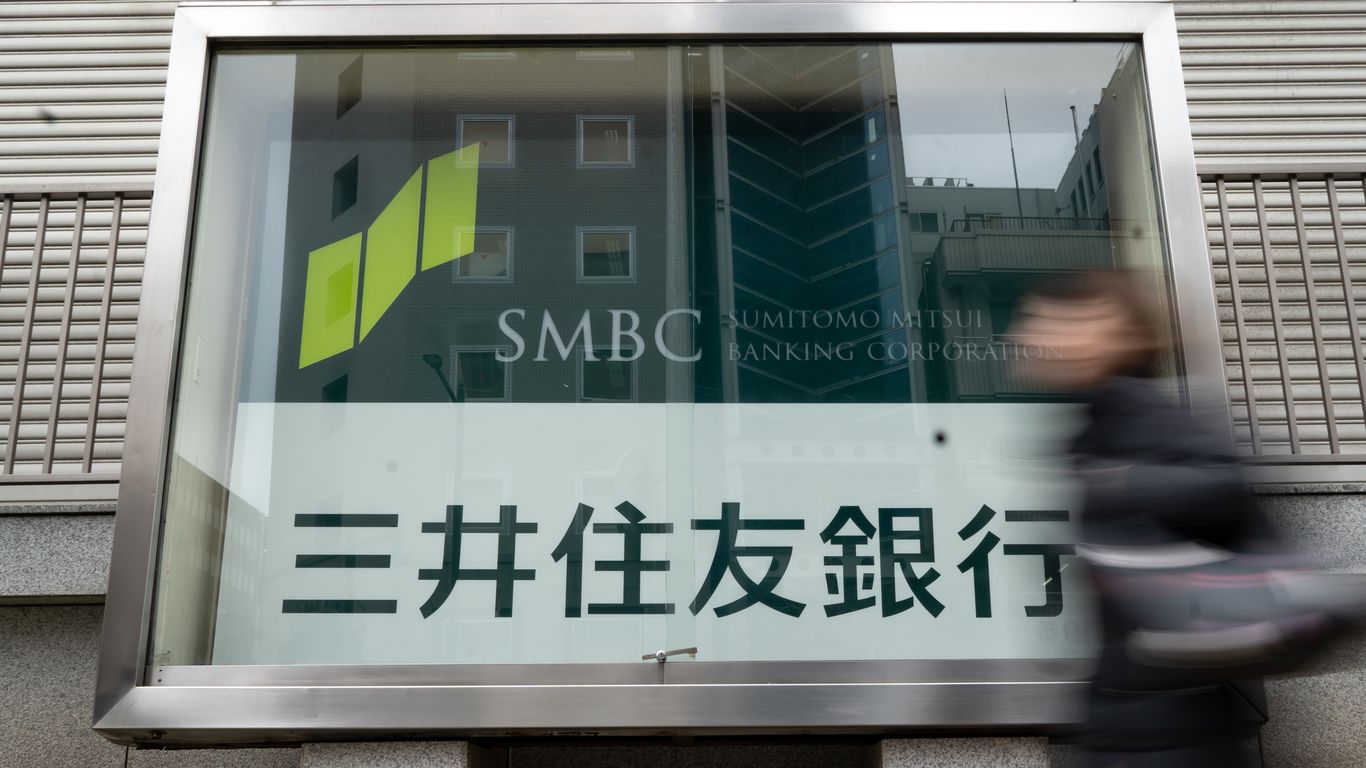
SMBC will invest $50.5M in Uptown Charlotte by 2028 and create 2,000 jobs within six years, with average pay of $165,316 and roughly $74.5M in state incentives plus $1.3M in local incentives. The expansion is expected to boost North Carolina's economy by $13.4B, hire ~1,800 locally, and strengthen Charlotte's position as a U.S. financial hub, likely supporting local office markets and financial-sector hiring.
This is a multi-year demand shock to a concentrated labor market for finance, fintech and IT in a single regional hub — not a one-off HQ ribbon-cutting. Expect wage pressure to cascade: senior specialists and product managers will see outside offers lift local comp bands by an estimated 10–20% over 2–4 years, forcing banks and fintechs to either raise pay or lose talent, compressing operating margins for smaller incumbents.
Commercial office fundamentals in Uptown will experience a directional inflection that precedes headline hiring — increased leasing velocity, higher build-out activity and reduced concessions should show up in transaction flow and construction spend 12–36 months before meaningful occupancy rises. This favors broker/transaction services and select CRE contractors rather than long-duration trophy REIT exposure that remains hostage to national hybrid-work trends.
Municipal and local service economics will improve structurally: a higher-wage tech/finance cluster lifts tax receipts, supports muni credit and underpins continued capital projects — creating an outsize opportunity for local muni paper and banks that underwrite or hold that issuance. Conversely, short-term fiscal risk exists from incentive structures (deferred grants, tax rebates) that create timing mismatches between project costs and realized tax benefits.
Key execution risks are typical: delays in permitting/leases, a macro slowdown that curtails hiring, or a strategic pivot by the parent bank. Market-moving catalysts to watch are sizable leasing transactions, construction permits, major local hiring posts, and first-party vendor deals (IT/consulting contracts) which will convert this soft signal into investable cashflows.
AI-powered research, real-time alerts, and portfolio analytics for institutional investors.
Overall Sentiment
strongly positive
Sentiment Score
0.75
